
Peppermint has a history of being used as a treatment for IBS. It is even used as a medication in a capsule that ensures it reaches the digestive tract where it is most useful. Peppermint, or more precisely menthol, relaxes smooth muscle and as our bowel is composed of layers of muscle fibres, peppermint can help relax the spasms that are a common symptom of IBS. Menthol activates cold-sensitive TRPM8 receptors in the mucosal tissues of the digestive tract, it is the primary source of the cooling sensation that follows the topical application of peppermint oil, this sensation is what is proposed to have an antispasmodic effect in IBS (Camilleri & Ford 2017)
Peppermint as a herb and food ingredient
So what about peppermint tea? There is no good systematic reviews or studies for this use of peppermint in IBS, but as a natural product it is less likely to have evidence, but some people do report that it does help them and they find it a useful to have means of including peppermint in the diet.
Peppermint is a suitable herb to use for the low fodmap diet. It can be used in low fodmap suitable recipes, such as the one below. According to Niki Segnit’s flavour thesaurus mint marries well with low fodmap foods such as peanut (particularly peanut butter – I am not convinced about this – but I am intrigued enough to give it a try) potato, beef, ginger, goats cheese, lamb, lime, melon (honeydew and cantaloupe), mackerel (and other oily fish), raspberry and strawberry. Not forgetting the ubiquitous marrying of dark chocolate and mint see a recipe here https://clinicalalimentary.blog/2017/11/24/chocolate-coated-peppermint-snow-peaks-low-fodmap-christmas-recipes/.
Warm feta and mint salad

Ingredients
100g feta cheese
2 tablespoons pine nuts
200g cooked rice
25g finely chopped mint
1 tablespoon of olive oil
1 pack of small courgettes (or 2 large courgettes -works just as well!)
Caper flowers and a tablespoon of pomegranate are used here to decorate
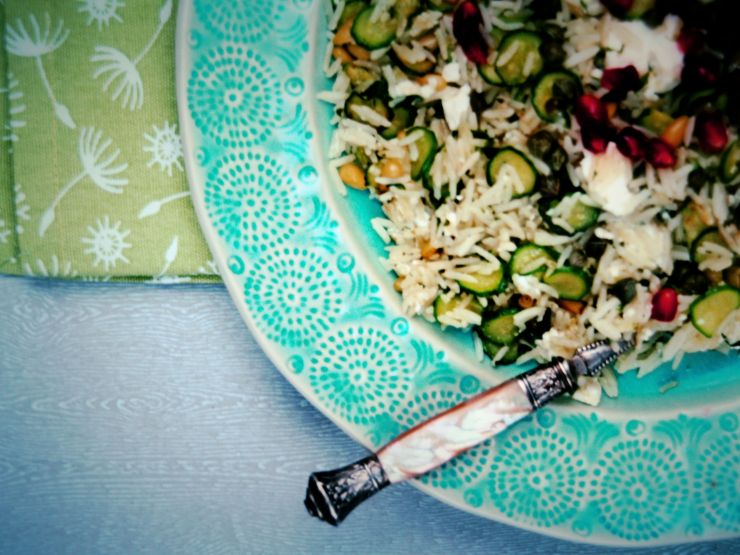
Method
Add the oil to a frying pan then add the pine nuts, chopped mint and finely cut courgette
Fry till toasted then add the cooked rice and blend well
Add chopped feta at the end of cooking and mix to warm through
Note the lack of salt added – feta is quite a salty so it is more than enough seasoning for the dish.
Serve warm or cold – marries well with grilled meat or just as it is!


Peppermint in medications
I am a dietitian and any medications should really be discussed with your doctor but as peppermint is a common food ingredient I don’t necessarily see a problem in looking at the evidence of peppermints use as an antispasmodic agent.
Peppermint is more effective than placebo for treating IBS (number needed to treat 2.5 – Ford et al 2008) with small numbers of adverse events with this medication but not all the reviewed studies reported on these. (Khanna R, Macdonald JK & Levesque BG 2014) completed a more recent review of the use of peppermint in IBS and again a moderate level of evidence of effectiveness was the reviews result which included a combination of data from 726 patients with IBS. With more side effects in the peppermint group of patients reported by these reviewers, although no data was given in the abstract, the effects were reported to be transient and heartburn was reported as the most experienced side effect. A more recent review (Camilleri and Ford 2017) suggested effectiveness of peppermint as an antispasmodic, with moderate evidence but also gave safety concerns for peppermint of reflux, heartburn, dry mouth and belching – and peppermint taste – presumably through reflux? Plus smell (not sure how this would be adverse though – it is in fact quite a pleasant smell on the breath) (Camilleri and Ford 2017.)
Why am I not surprised that heartburn is a side effect for some people with IBS? It is quite common for people with IBS to experience some upper gastrointestinal symptoms. As such, reflux and heartburn are included as symptoms checked for when using the Kings College validated symptom checklist, which I use in clinic. Again peppermint is a smooth muscle relaxant – so would it not relax the ring of muscle at the bottom of the oesophagus, leading to reflux symptoms?
All studies reviewed the short term effectiveness and suggested that more studies in the long term use is needed. Should you try a peppermint based medication? Certainly do if your GP/gastroenterologist suggests it, and the evidence based from systematic reviews suggest it is effective. But if you do suffer from IBS and reflux, another antispasmodic option might be a better choice, discuss with your GP or pharmacist, who can advise on use of peppermint and suitable alternatives.
Does peppermint ever cause any problems with allergy/intolerances?
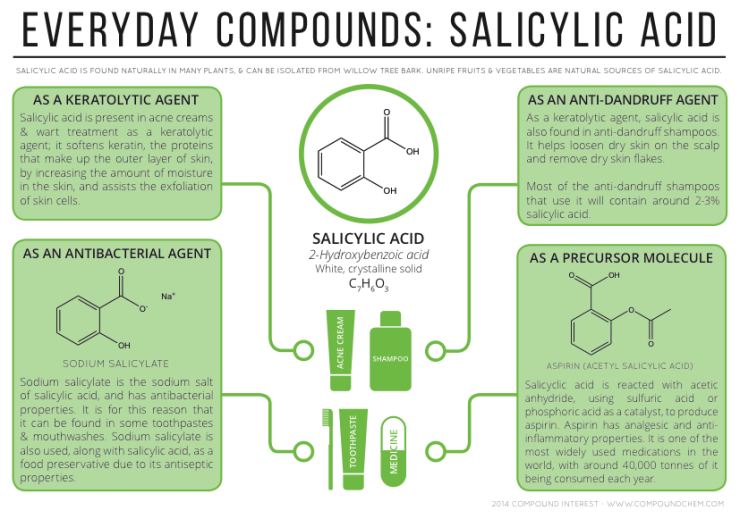
One case review reported on an anaphylaxis reaction due to an IgE mediated allergic reaction to peppermint (Bayat R, Borici-Mazi R 2014) – this is extremely rare. It is quite possible that other reactions may be causing symptoms for a very small number of people. Peppermint is a natural source of salicylate. Aspirin, as a form of salicylate, can occasionally cause allergic reactions, and people with aspirin allergy, asthma and nasal polyps can occasionally have a food hypersensitivity to foods naturally containing salicylate. This type of food reaction again is quite rare but symptoms could be mistaken for IBS. Do seek the help of a dietitian if you suspect this kind of food hypersensitivity, as often information about salicylate containing foods on the internet is often far too restrictive for any low salicylate diet to be implemented safely. Also it is often quite tricky to identify these reactions to foods so an experienced practitioner is important to seek advice from.
Alexander C Ford, Nicholas J Talley, Brennan M R Spiegel, Amy E Foxx-Orenstein, Lawrence Schiller, Eamonn M M Quigley, Paul Moayyedi, (2008) Effect of fibre, antispasmodics, and peppermint oil in the treatment of irritable bowel syndrome: systematic review and meta-analysis BMJ. 2008; 337: a2313.
Khanna R, MacDonald JK, Levesque BG. (2014) Peppermint oil for the treatment of irritable bowel syndrome: a systematic review and meta-analysis. J Clin Gastroenterol. 2014 Jul;48(6):505-12.
Michael Camilleri and Alexander C. Ford (2017) Pharmacotherapy for Irritable Bowel Syndrome J. Clin. Med. 2017, 6(11), 101; doi:10.3390/jcm6110101
Bayat R, Borici-Mazi R. (2014) A case of anaphylaxis to peppermint. Allergy Asthma Clin Immunol. 2014 Jan 28;10(1):6. doi: 10.1186/1710-1492-10-6.


 Clinical Alimentary