Oyster mushrooms – a umami low fodmap option for IBS

It is autumn and the evenings are becoming darker. It is the season for mushrooms and many people really miss mushrooms when following the low fodmap diet. But if you are following the Kings College Low FODMAP diet oyster mushrooms are suitable. They are not as available as a few years ago and are now usually found in the section labelled up as wild mushrooms – so perhaps suitable for a treat only.

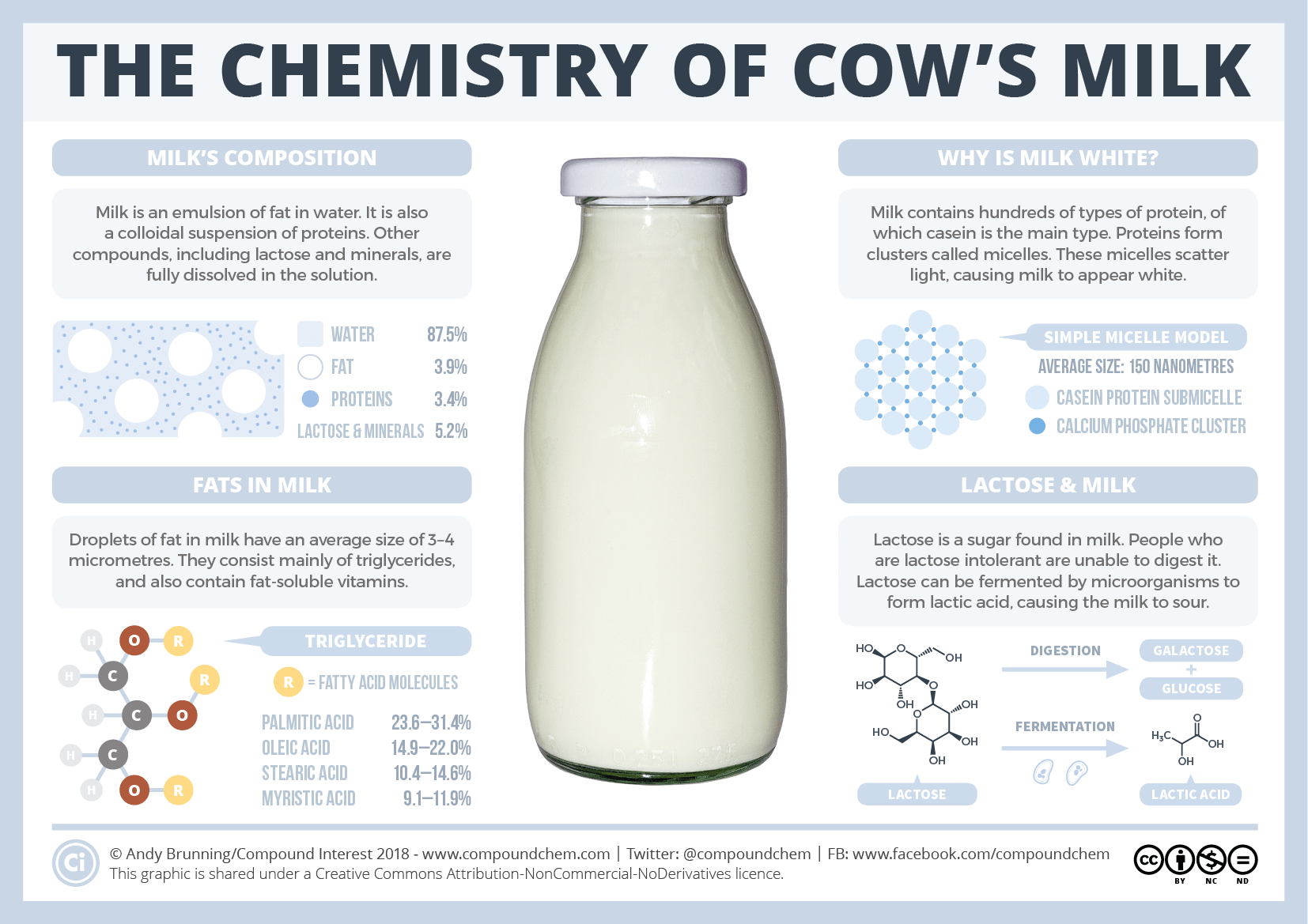
Mushrooms have an umami flavour – an earthy, complex meaty flavour that is very important particularly if you are vegan and missing the deep, rich flavour that meat offers. Mushroom also offers a texture that is robust, filling and satisfying. This is the flavour provided by glutamate (the natural variant of mono-sodium glutamate – MSG, a food additive) a chemical that in the past has been implicated in Chinese or Asian food intolerance or ‘Chinese restaurant syndrome’. It might be the FODMAP content rather than the glutamate that lead to perhaps some gastrointestinal upset in some people and not specifically the glutamate content – we have no evidence that ‘Chinese restaurant syndrome’ exists from eating food where MSG has been added (see the Compound Interest info-graphic above.) Some foods containing glutamate listed above also contain histamine, which also is implicated in developing symptoms such as palpitations, chest pain, headaches, asthma, flushing and gastrointestinal upset. They are cheese, fermented foods such as miso and tomato. These foods are possibly the foods which might have lead to Chinese Restaurant syndrome, although this reaction is likely to occur infrequently. If you do suspect a histamine intolerance and have the symptoms above see a dietitian who will provide help for you to check if you have. Please avoid information from the internet on histamine intolerance, as it is usually far too restrictive and might lead to nutritional deficiencies. Although actually we have no evidence that most people with IBS have histamine intolerance – in my opinion we need much more research in histamine reactions.

Who wouldn’t want to have this fantastic flavouring naturally found in mushroom, parmesan and soy sauce? I have developed a recipe for you. You can replace the parmesan with a vegan alternative, if you wish, and it really doesn’t change the flavour. Risotto is such a tasty filling meal for autumn evenings this recipe contains lots of umami from white miso, oyster mushrooms and parmesan cheese. Do enjoy it!

Ingredients

  • 160g Oyster mushrooms
  • 1 tablespoon oil
  • 250g arborio (risotto) rice
  • 15g white miso diluted with 700ml boiling water
  • 20g vegan or standard parmesan
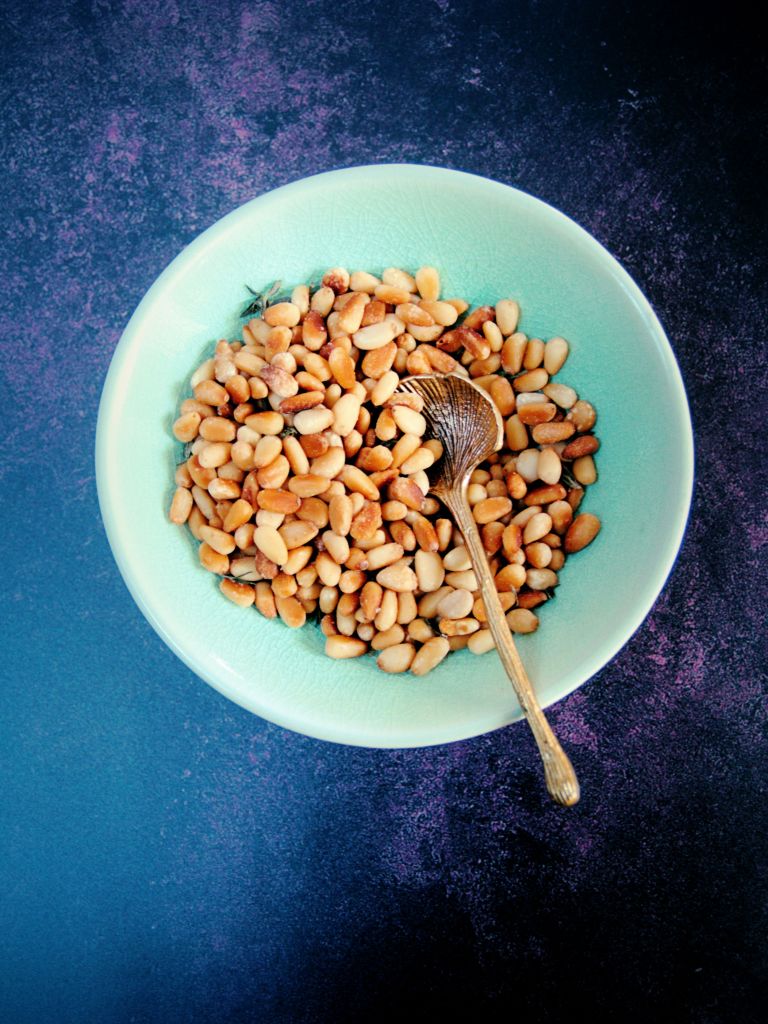
  • 50g toasted pine nuts
  • 3-4 sprigs of thyme
  • additional grated parmesan

Method

  • Now the only rule really in making risotto is that you shouldn’t leave it alone for a second! It takes time to prepare but it is worthwhile putting that additional work in – you get out what you put in.
  • Grate the parmesan and set aside.
  • Toast the pine nuts in a drizzle of oil until they are brown -watch them closely as they can easily burn. Set aside to cool and then add the thyme (chopped) and mix well.
  • Add the oil to the pan and gently fry the mushrooms for 5 minutes. Then add rice to the pan and cook to 2 minutes.
  • Start to incorporate the miso based stock slowly to the pan over 10-15 minutes and keep stirring – this will prevent the rice from sticking to the pan.
  • The rice is ready when it is al dente (slightly firm to bite)
  • You may need additional liquid – water is suitable – depending on the rice you use.
  • At this point stir in the grated parmesan and serve topped with toasted pine nuts and extra grated parmesan to taste (you shouldn’t need any seasoning as the flavours are deep but add some at this point after tasting the dish if you wish.)
  • Enjoy!

A nice cup of tea

There is nothing more quintessentially English than a nice cup of tea. We debate the nuances of how to make it properly – milk before the tea or after, warm the pot before adding the hot water and tea or not, or how much tea to add to the pot. Tea also has lots of reported health benefits but does it help people with IBS? If you are interested, please read on…

Tea is culture, it’s refreshing, herbal tea is reported to be calming, relaxing – we all could do with a little of that, surely? Well perhaps all is not as it first appears.

Standard tea (black, white, green, yellow and oolong) are the true teas

Tea contains caffeine, a stimulant, not as much as coffee but certainly enough to have a systemic effect if sufficient is consumed. It is worth changing to decaffeinated if you have IBS, caffeine can not only stimulate the gut causing diarrhoea type symptoms it also disrupts sleeping patterns and poor sleep can be a symptom of IBS for some people. Some individuals with IBS also have overactive bladders, symptoms which can be influenced negatively by caffeine intake. Tea has lower levels of caffeine than coffee and certainly less than energy drinks, but do consider reducing or slowly swapping to decaffeinated if you drink caffeinated versions.

Oolong tea is high fodmap so will need to be avoided for the low FODMAP diet and tested as part of a re-introduction protocol, if you wish to drink it.

One study reported hard stools for tea in people with IBS (Simren et al 2001) but this was a prospective self reported study and has not been tested directly by a true randomized controlled study. This probably should be investigated but there are fewer studies in people with IBS with constipation for all treatments, unfortunately.

Rooibos

Rooibos is not a true tea and as such does not contain any caffeine and lower levels of tannin’s than true teas. It does however contain some of the poly-phenol compounds found in true tea. For the Monash version of the low fodmap diet it is categorized as low in FODMAP.

Herbal teas

Peppermint

Peppermint has been widely investigated for IBS symptoms. It acts as a smooth muscle relaxant so it can reduce those lower digestive tract spasms. Many people use the tea for the same effect. A number of people with IBS will also experience reflux, or upper gastrointestinal symptoms. Peppermint may also relax the sphincter (a ring of muscle) that prevents stomach acid from traveling up the food pipe (oesophagus). If someone has reflux it is probably not a good idea to drink peppermint tea. However it is good to help with lower abdominal pain so feel free to try it for that. If you want to read more about peppermint and IBS see my other blog post here:

https://clinicalalimentary.blog/2018/01/21/peppermint-and-ibs/

Camomile

Camomile is often stated as a treatment for IBS and ‘helps’ abdominal pain and induces sleep. Camomile acts as a neuroendocrine modulator so it has been suggested as a possible treatment to help with anxiety, insomnia and stress. This does suggest that it could be helpful for IBS type symptoms however Camomile contains FODMAP sugars therefore for those people with fodmap intolerance it is probably best avoided. Camomile also interacts with some drugs – please discuss this with you doctor or pharmacist before trying camomile tea. Common interactions are suggested with sedatives, blood thinners, anti-platelet drugs, aspirin, NSAID painkillers like ibuprofen and naproxen, but also others too (source: WebMD)

Fennel

Fennel is another herbal tea that is suggested to be a good option for those people with IBS. It again, also contains FODMAPs so if you are following the diet, perhaps this is one to avoid.

Dandelion tea

This tea has lot’s of anecdotal suggestions that it helps digestive symptoms, from increasing appetite, soothing minor digestive ailments and relieving constipation. There is no evidence that any of these symptoms are improved. Dandelion tea is another tea that it high in FODMAP so this might be the reason for the anecdotal reports of improving constipation, as lots of FODMAP containing foods are prebiotic (food for gut bacteria) and can help increase bowel function. Dandelion tea has also implications for drug interactions so it is best avoided for people taking diuretic medications, lithium and ciprofloxacin (an antibiotic.) Discuss this with your doctor or pharmacist before considering dandelion tea.

Fruit teas

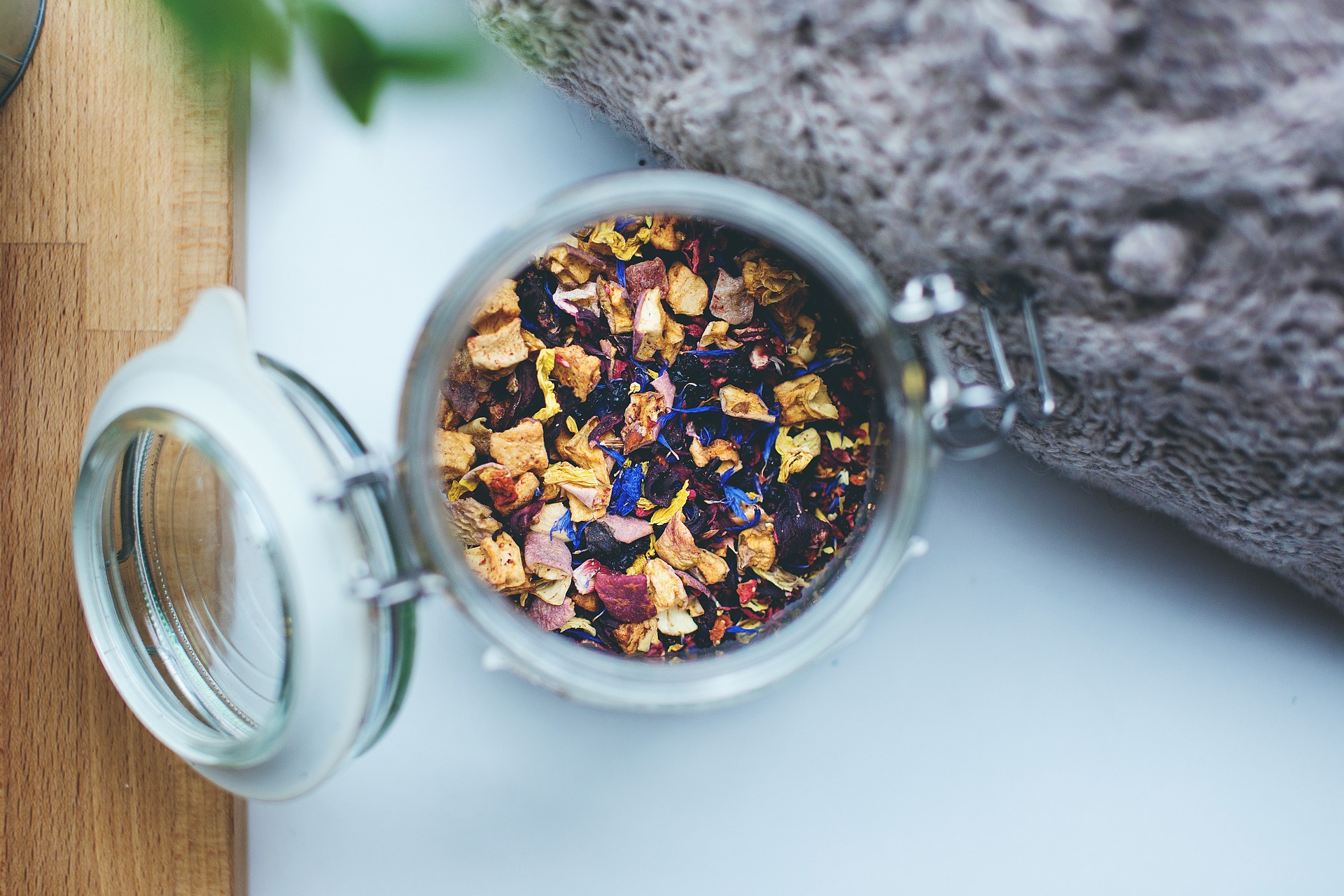
Many people love fruit teas – they are naturally low in caffeine, however for me, they always promise more than they give. The odour of them is very tempting and I always feel disappointed that they are not more highly flavoured when drunk. If you like them though fruit teas should be fine to use. Use flavours suitable for the low FODMAP diet, if you are following it.

Testing tolerance to teas

For people following the low fodmap diet if you want to test the tea’s above which are high in FODMAP, to see if you can tolerate them, you can. Everyone has an individual tolerance to teas high in fodmap. Once your symptoms are reduced to a good level you could re-introduce the teas above and see how you get on. Use a standard cup as a portion and increase to three over three days, monitoring your symptoms as you go.

Following a Low FODMAP diet and adding milk to tea?

If you are following the low FODMAP diet then lactose is a problem for some people and if you need to exclude lactose then you can use lactose free cows milk – this is suitable for the low fodmap diet and the calcium it contains is slightly better absorbed than from milk alternatives. If you have been tested for lactose intolerance and you are not intolerant, you can use standard milk. Lactose free cows milk also marries with tea very well and you will not notice a difference in taste. This also means that Chai tea (milky tea with spices also added) is not suitable for people following the Low FODMAP diet, as it will contain lactose. You could make your own Chai tea with lactose free milk, if you wish.

Needing a milk free diet and have milk in tea? Which is the best option?

Well, for tea without sugar the best option is cashew milk, and for those who have sugar in their tea then coconut or almond milk are the better choices, according to people who have to follow milk free diets. I can attest to the cashew milk being suitable for tea without sugar, I tried it and really couldn’t taste a difference. Please ensure that your milk alternative is fortified with calcium, as cow’s milk forms a very good source of calcium in the diet and changing to milk alternatives may reduce your calcium intake. You could choose ones that are also fortified with B12 if you are following a vegan diet.

Image by Pexels from Pixabay

Image by congerdesign from Pixabay

Orecchiette con Cima de rape – Low FODMAP

This recipe was in a newspaper supplement but wasn’t really Low FODMAP friendly so I decided to give it an update and make it suitable for those with food intolerances. It is a traditional Puglian recipe using broccoli tops (Cima de Rape), which is a winter vegetable in Italy but is a really refreshing recipe for spring in the UK using broccoli tops makes it a suitable low FODMAP version.

The other problem is that there is no suitable gluten free Orecchiette pasta that is available in the UK, so fresh gluten free pasta has to be made if you want an authentic dish. The other point to note is that only if you find cooking relaxing should you attempt to made home made gluten free pasta. An important factor is not making more work for yourself if you don’t find cooking relaxing and dried pasta is suitable for this dish.

I have decided to make a longer recipe today as it is Bank Holiday weekend and the forecast suggested that it was going to rain although it hasn’t done yet. I have also posted some bluebell images from this weekend – bluebells are everywhere at the moment and are quite a spectacle.

Ingredients

Pasta (wheat free)

250g Pure maize flour (wheat contamination free if you are coeliac)

50g Gluten free bread flour

2 Eggs

Salt

1/2 Teaspoon xanthan gum

Enough water to bring the dough together

Stock

1 Ladle of pasta cooking water – top up to 500ml with water

20g Carrot chopped

30g Celeriac

1 Bay leaf

Small amount of salt and 6 peppercorns

Sauce

1 Head of broccoli (250g) stalks removed

1 Anchovy

1 Lemon

20g Parsley

20 Bay leaves

20g Rocket

30g Parmesan

3 Tablespoons of garlic infused olive oil

25g Butter

100ml White wine

Salt to taste

Method

Pasta

Weigh the flours into a bowl and add salt and xanthan gum. Mix the dry ingredients well before adding any liquid to the mix. Add the eggs and start to mix the flour, then add water to bring the flour together into a dough. Add just enough to ensure a soft mix – it is not possible to give a volume as this will depend on the fineness the flour mix you use. Once the dough is formed work it well to incorporate it together and make a smooth mix. This will take time, don’t worry about over working – this is not the same as making standard pasta. Roll out logs of the dough to the thickness of you thumb and then slice finely. To make the orecchiette shape press your finger into the centre of the disc. Bring a pan of water to boil and add salt and the pasta. Cook till the pasta rises in the pan remove and drain.

Zest the lemon and juice.

Chop the broccoli tops, celeriac, carrot, anchovy finely and add to separate bowls.

Then chop the basil, rocket and parsley and add to a bowl with the rest of the lemon juice.

Make the stock adding the pasta cooking liquor, carrot, celeriac, bay leaves and pepper to a pan and cook for 10 minutes, drain and save the stock. You could add the carrot and celeriac to the main dish but remove the bay leaf and peppercorns.

Add the olive oil to a pan and add the broccoli, anchovy and the zest of 1/2 the lemon and cook for four minutes then add the stock, wine, 1/2 the parmesan and butter and simmer for 10 minutes until the broccoli is soft.

Add the herbs and the rest of the lemon zest to the pan and then gently mix in the pasta to warm through. Serve and finish with a tablespoon of the lemon juice and the rest of the parmesan.

Serves two

Lemon – Low FODMAP

http://www.compoundchem.com

The words of the song the Lemon Tree, the words are undeniable “Lemon tree very pretty, and the lemon flower is sweet, but the fruit of the poor lemon is impossible to eat.” Many people with gastro-oesophageal reflux (GORD) and IBS avoid all citrus fruit due to reporting of them making symptoms of reflux worse. Yet, citrus fruits are allowed on the low FODMAP diet. I actually love lemon, the flavour is sharp and strong but has to be handled carefully in recipes to prevent is tasting like a popular cold remedy.

One point to mention here is that the National Institute of Health and Clinical Excellence (NICE) guidance on reflux does not specify a reduction of citrus fruit consumption as part of lifestyle GORD treatment. The reduction of coffee, chocolate, alcohol and fatty foods are the main focus of dietary lifestyle factors. Although the date of the review of this lifestyle advice is 2004 – so somewhat old data, but this is fine if no new developments have come to light. It is also worth noting that the measure of acidity, pH, is very low for stomach acid (2-3), for lemon Juice, it is 2, so not much different than the pH of gastric juices anyway. But people do report problems, so we do treat everyone as an individual and they can be reduced to a tolerable level, when needed.

Reduction of acidic foods also can reduce the amount of vitamin C in the diet, as ascorbic acid is found in higher levels in citrus fruits. Vitamin C full deficiency is rare in the UK, although arguably becoming more common due to fad diets, such as complete carnivore diets. Our bodies cannot make it, unlike other animals. Not much data is available on low vitamin C intake and GORD, but the effects of deficiency include damage to skin and likely the GI tract, which has a fast turnover of cells, not that helpful for those who have sensitive guts. The requirement for vitamin C might be increased in people who have diarrhoea – although caution is advised as vitamin C supplements above 3g/day (three times the amount of a standard over the counter supplement) will increase symptoms of abdominal pain and diarrhoea. As ever, it is better to get your nutrition from food, so once your symptoms have reduced, re-introduce those low FODMAP foods you have stopped eating, try them again, you might find that you can eat them after all.

Lemon butter drops

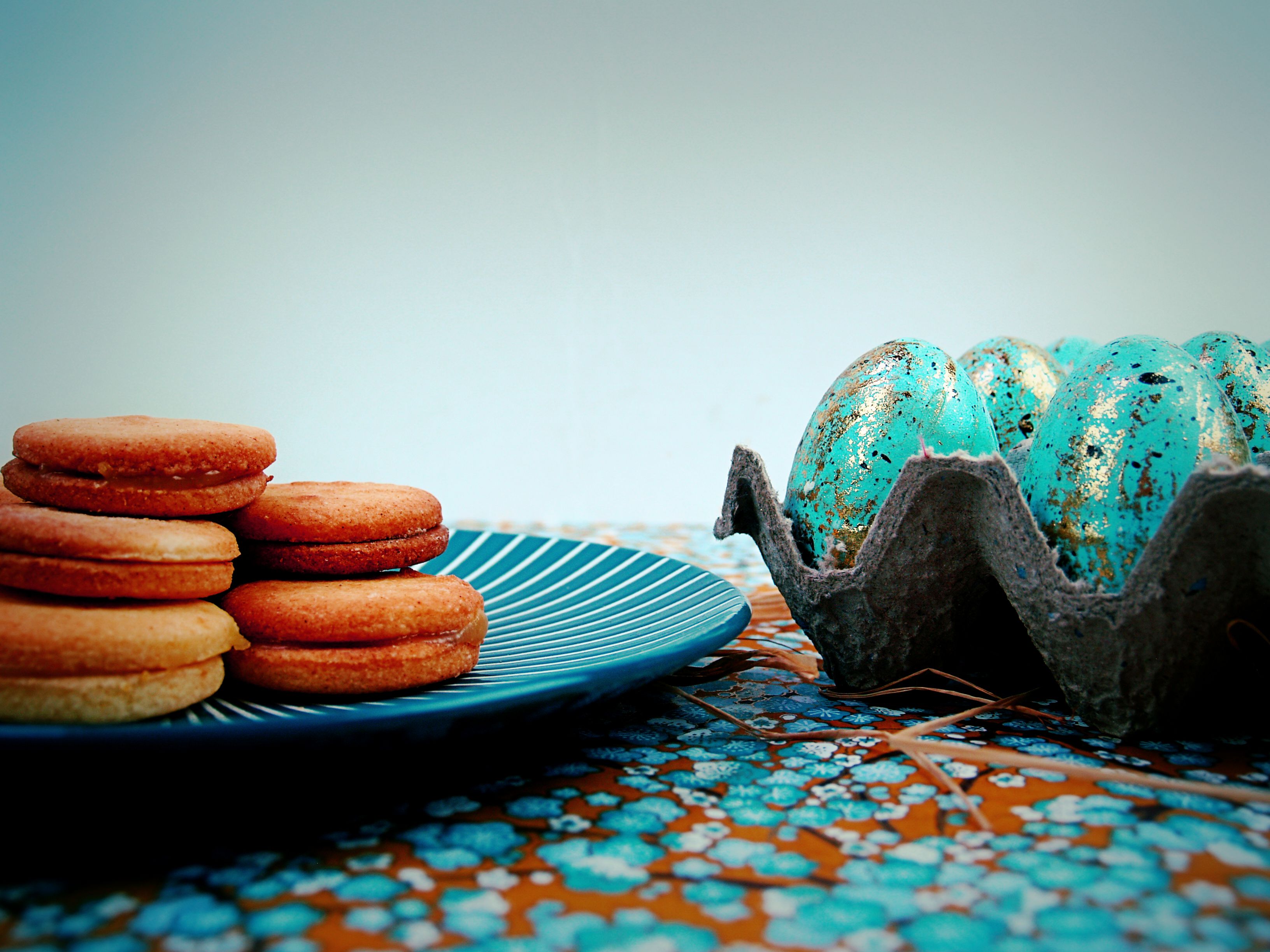
These little biscuits are only a mouthful – just a bite – but are a divine melt in the mouth treat. Especially nice for this time of year, Spring and Easter, (when Easter does arrive in April).

Ingredients

100g butter

200g rice flour

1/2g zanthan gum

Grated rind of 2 unwaxed lemons

1 egg

50g of gluten free self-raising flour plus extra for rolling out.

Filling (lemon curd)

4 wax free lemons – juice and rind

350g castor sugar

200g butter

1 1/2 tablespoons of corn flour

4 eggs

Method

Add the butter and sugar and cream (mix) together well.

Then add the grated lemon rind and egg, mix well

Add the flour and bring together into a dough, if it doesn’t bind together add a little more flour till it does.

Roll thinly and cut out small rounds (I made 40 with the mix)

Cook for 10 minutes at gas mark 6.

cool

Make the curd

Whisk together 4 eggs

Juice and grate the lemons and weigh out the other ingredients

Warm the eggs whilst adding the other ingredients and cook till thickened

Cool and add to the jars

(This is based on a Delia Smith recipe but with additional cornflour to make the curd thick enough to sandwich between the biscuits.)

Recipe makes enough for 20 small sandwich biscuits and enough curd to add to a litre and a half volume – more than enough to add to sterilized jam jars and they will keep for a few weeks.It does go a long way so you don’t need to use much for a sweet and sharp lemon flavour.


The Aubergine

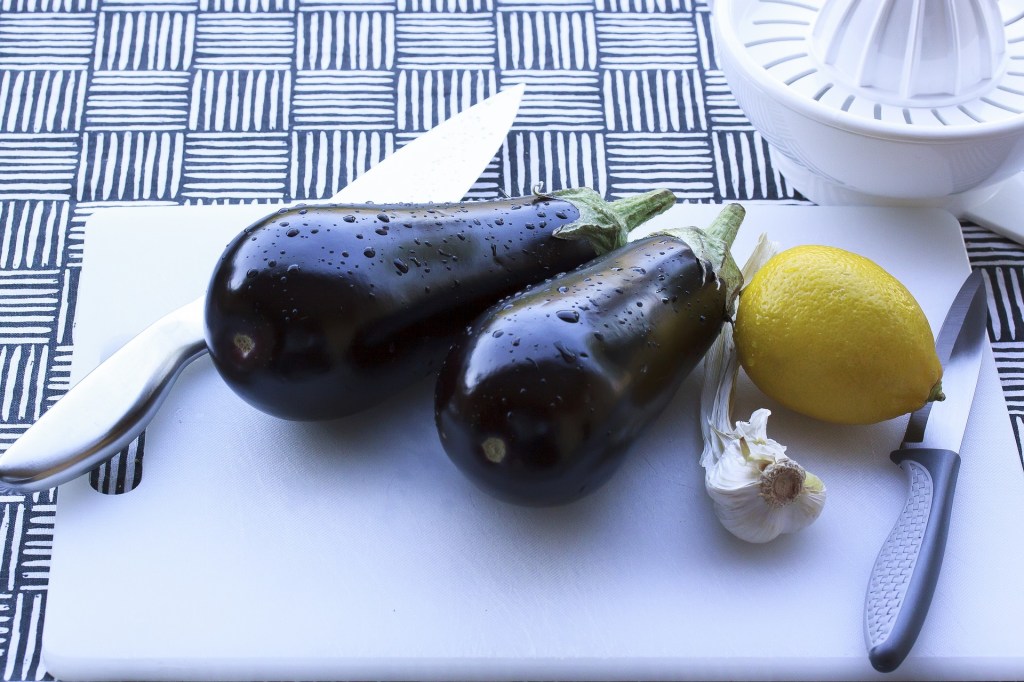
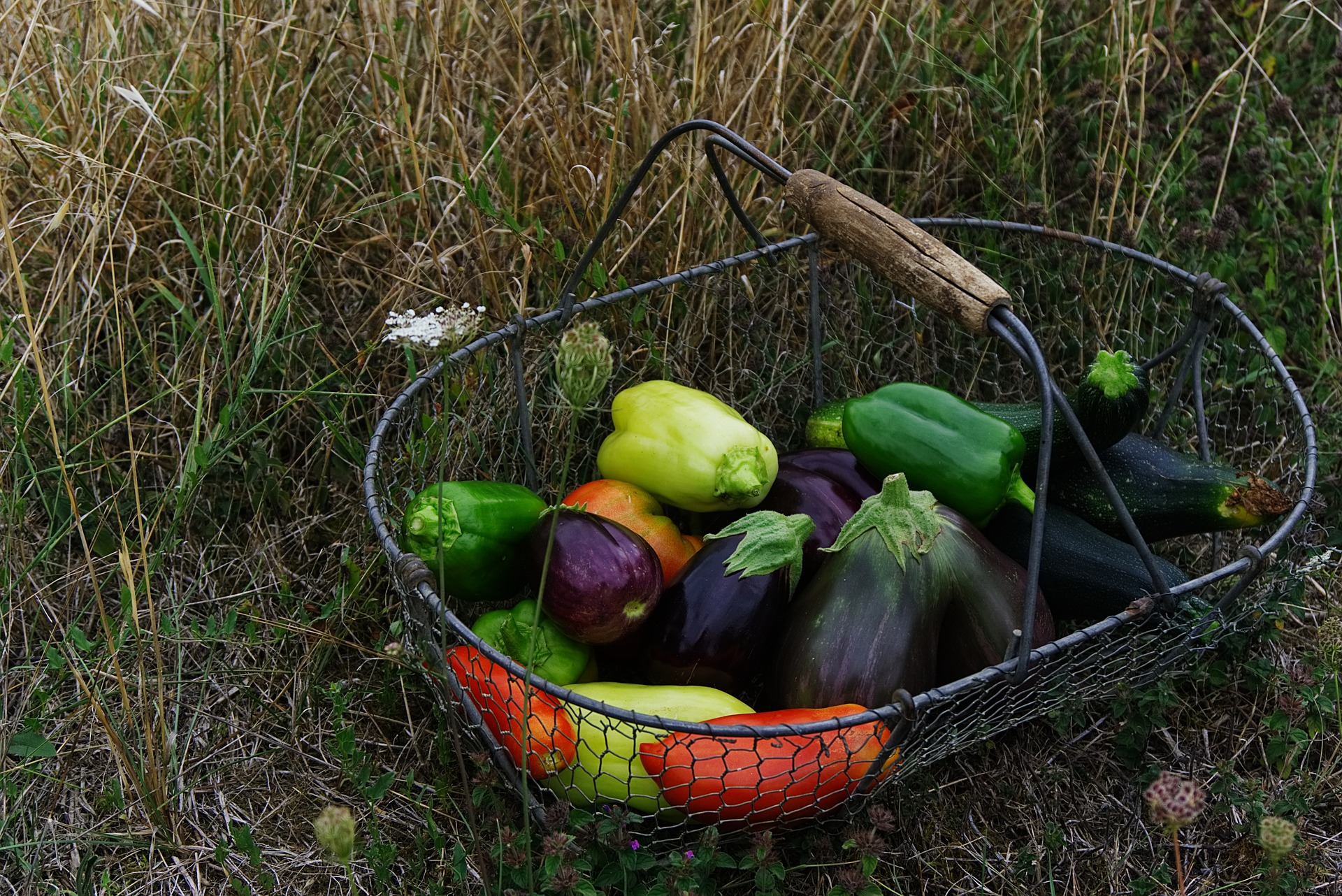
Aubergines have to be my favourite vegetable. I love that they marry well with other vegetables such as tomato and potato. They have a velvety texture and a creamy taste and more than earn their title as the vegetarian steak.

Although in some quarters they are suggested to produce intolerance, as along with potato, peppers and tomato, the aubergine is a member of ‘the nightshade family’ or Solanaceae, a deadly associated name for a wonderful group of vegetables (and fruit, if you count the tomato, which is technically a fruit). We have little evidence for the problems of the ‘nightshade family’, concerning the above group of four as a whole, and why would you want to exclude these versatile vegetables from your diet? Some are however known as histamine producing – the aubergine and tomato – but histamine intolerance is a rare occurrence and can be identified by knowledgeable practitioners, plus aubergine is only classed as a moderate inducer. Another possible consideration for reactions to the Solanaceae group is the alkaloid solanine, which is found in green potatoes, so store your potatoes well, covered in the dark to avoid sprouting and this should not be a problem.

I have not had experience of the bitter flavour with aubergine so wouldn’t usually resort to salting them, but the above infographic is useful as once salted they will not absorb as much oil, so it might be worth taking the time to do it. Segnit’s flavour thesaurus matches the aubergine with walnut and tomato and a sprinkling of nutmeg. So, here is my recipe for you – please tell me how you like it!

Ingredients

1 aubergine

1 tablespoon of olive oil

100g carrots

1 tin of tomato

1 teaspoon of cinnamon

1 teaspoon of paprika

1/2 teaspoon of nutmeg

150g walnuts

150g of sharply flavoured cheese (if vegan you can use alternative vegan cheese here) but I used Manchego.

Method

Chop the vegetables and walnuts

Fry the spices in the oil to release their flavour.

Add the vegetables to a casserole dish with the tomatoes and mix in the spices and salt to taste

Cook for 1 hour at gas mark 6, 200 degrees C

Crumble the cheese, sprinkle on the top of the casserole and grill to melt

Serve with crusty bread (gluten free or otherwise for those following a low fodmap or gluten free diet.)

Do you have a problem with lactose?

The-chemistry-of-milk

The following script is based on an article I wrote for the Allergy & Free From show magazine last year. With some updates!

What is lactose?

Lactose is a sugar, for this sugar to be used by us, the walls of our lower digestive system produce a digestive enzyme called lactase. This enzyme helps to break down the sugar so it can be made small enough to be taken into the body and used as energy. See the above infographic.

What causes lactose intolerance?

Congenital lactose intolerance occurs because of the gut not being able to produce any lactase enzyme from birth – this is very rare. Primary lactose intolerance is where the gut loses the ability to create the lactase enzyme over time. Secondary lactose intolerance can occur with a digestive disease, gastrointestinal infections and food poisoning, which may or may not be short term.

Some people’s ethnic background puts them more at risk of lactose intolerance because in South America, Africa and Asia, over half of the indigenous population have primary lactose intolerance and in some Asian countries almost everyone can have primary lactose intolerance.

What symptoms might I have?

The symptoms from lactose intolerance can be unpleasant and embarrassing and range from loose, watery poo, wind, bloating and a distended tummy. Some people get stomach cramps, loud digestive gurgling noises, feeling sick and occasionally are sick. These symptoms occur because undigested lactose in the bowel pulls fluid from the body as it moves through the lower digestive tract, causing diarrhoea. Then lactose is then used for energy by the bacteria usually found in the bowel – this causes bloating and wind.

milk-3253674_1920

When do I need to see my doctor?

Usually, digestive symptoms because of food poisoning are often quick to resolve (lactose intolerance after a digestive system infection usually resolves after six weeks), if you still struggle with symptoms, see your doctor, don’t be tempted to self-diagnose. Don’t be shy in talking about your symptoms – doctors have heard them all before. You can always write down your symptoms before you go if you just find them too difficult to talk about.

The following symptoms are not expected with lactose intolerance if you have swelling of your lips, mouth or face; rashes or wheezing within minutes to a few hours of drinking milk. This might suggest an allergy – see your doctor. Or, alternatively, blood mixed in your poo with a temperature and feeling unwell. These are not symptoms generally associated with lactose intolerance and may be due to another medical problem.  Contact your GP and don’t make drastic changes to your diet.

All children should be seen by their doctor and lactose intolerance because of cow’s milk protein allergy should be considered. Because babies and young children are more vulnerable, any symptoms of blood or mucus in poo, green vomiting, a temperature and severe tummy pain in young children call NHS 111 for advice or discuss with your doctor urgently.

milk-3231772_1280

What tests are available for lactose intolerance?

No blood tests can identify lactose intolerance. Sometimes your doctor might advise a test called a hydrogen breath test – but often they will recommend following a full lactose-free diet for one month and then introduce lactose to test that symptoms return, which is usually very useful in identifying this intolerance. Testing food is also essential to find your own level of lactose tolerance. Most people can have a small amount without having any symptoms at all, and this knowledge can make following a lactose-free diet a little bit easier. A registered dietitian can help you do this effectively and check you are getting the correct nutrition from your modified diet.

Might symptoms be caused by something else?

Occasionally, it’s possible to have lactose intolerance along with other digestive complaints, such as:

Coeliac disease (autoimmune gluten enteropathy) this is because gluten, a protein in wheat, barley and rye, damages the bowel surface so it cannot make the lactase enzyme very well. See your doctor, and your doctor will complete tests for coeliac disease if it is suspected. It is vital to continue to eat food containing gluten to make quite sure that the tests used can identify coeliac disease well. Lactose intolerance usually resolves with treatment for coeliac disease.

milk-1760353_1920

A few people with inflammatory bowel disease (IBD – Crohn’s disease and ulcerative colitis), which causes the bowel wall to become swollen and ulcerated, can also occasionally have problems digesting lactose. Due to inflammation of the bowel wall sometimes it cannot make the lactase enzyme very well. This lactose intolerance can resolve with treatment for IBD.

People with irritable bowel syndrome (IBS) can have problems digesting lactose, this might occur because of the gut microbe fermentation of some foods (called FODMAPs.) Lactose is a FODMAP. FODMAPs are sugars found widely in the diet that are poorly digested and result in symptoms for people with IBS. If you wish to try a low fodmap diet ask your doctor for a referral to a registered dietitian to help you. Don’t be tempted to exclude all carbohydrates from your diet. Wholegrain starchy carbohydrates are essential for long-term gut health.

Where is lactose found?

In animal milk, some cheeses, some yoghurts, processed foods made from animal milk and some medications. Most medications contain tolerable amounts so don’t stop taking them. Discuss alternatives with your doctor or pharmacist if you are taking a few medicines containing lactose, as this might be enough to cause symptoms.

Lactose-containing ingredients can be recognised on the food package ingredients list by the following words – milk, lactoglobulin, milk solids, buttermilk, lactose, artificial cream, whey powder, cheese, condensed milk, curd, skimmed milk powder, cream cheese, modified milk, evaporated milk, margarine and butter. As milk is an allergen, it will be listed as bold, in italics or in a different font or colour on the ingredients list. But lactose is not an allergen as such, so it doesn’t need to be listed separately to milk. Lactose-free animal milk products will be explicitly stated on the packaging by the manufacturer.

Where can I find lactose free products?

milk-2594538_1920

Much lactose-free milk and alternative milk products can be found at larger supermarkets and can also be sourced online. Some manufacturers are Lactofree (Arla), Candia, supermarket home brands, free from milk (Alpro, Oately, Rice Dream, Good Hemp, Koko and Provamil.) Please note rice milk should not be given to children under 4 ½ years of age.

Other products, due to the processing methods used, might be lower in lactose naturally and some people can eat them with no problem such as standard hard cheeses and some yoghurts. Many other foods are typically free of lactose.

soy-milk-2263942_1920

The new ‘alternative’ on the block:

Tiger nut milk is a new marketed product trend, and I really don’t see the point of having this milk, unless you are from Spain and have Horchata as a cultural drink. Tiger nuts are tubers, and you can buy tiger nut milk ready made – but often making your own is advocated by bloggers and companies alike. Marketed as paleo – with little other nutritional content in the milk except for carbohydrate this marketing ploy seems a bit odd. Neither has it been tested for fodmap content.

So, people who have food intolerances and IBS, or those with inflammatory bowel disease, who may have associated conditions that result in extreme lethargy are required to make their own milk? You have to be kidding, right? There is no advantage to having this product nutritionally over and above other milk, and it does not naturally contain reasonable levels of calcium. This is exploitative of vulnerable patients in my opinion and risks long-term low calcium intake.

Is animal milk bad for me?

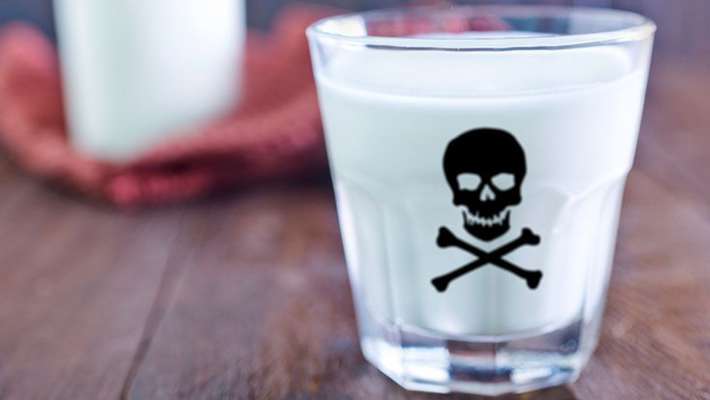
poison milk

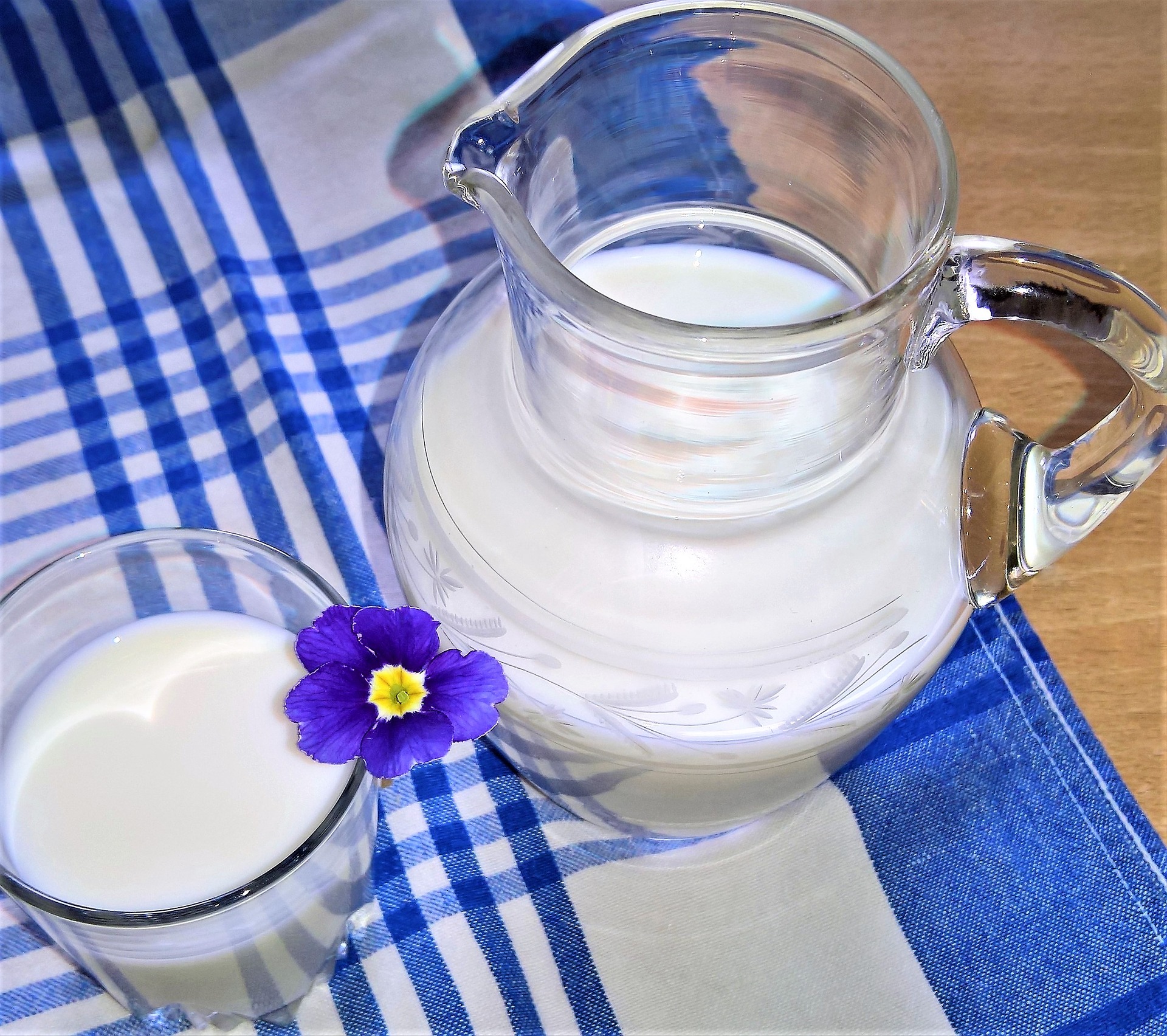
No, quite the opposite in fact – lactose-free animal milk contain good levels of calcium iodine and vitamin B12. Unless you have any religious, cultural or ethical reasons to avoid it, you could just swap to lactose-free animal milk products. These products contain the same level of nutrition found in regular animal milk and have the added advantage of tasting the same. We also know that the calcium found in animal milk is slightly more readily absorbed into the body than the calcium used to fortify plant-based milk.

The internet is full of alternative articles scaremongering around the consumption of cows milk. While I have no issues at all with people who decide to avoid animal products for ethical, cultural or religious reasons, scaremongering others to avoid cows milk due to spurious health risks and unevidenced harms is unacceptable.

You might have heard that animal milk leaches calcium from the bones, this is just untrue, and stories of milk being ‘too acidic’ for the body has no basis in science. Neither does milk cause excessive mucus production in the body or inflammatory bowel disease.

However, if you have changed to plant-based milk for religious, ethical, cultural or personal choice, do ensure these are fortified with calcium and ideally vitamin D (plus vitamin B12 if you are vegan.)

Another nutritional consideration for those avoiding animal milk is that milk and dairy products are the primary sources of iodine for most people. So, avoiding cows milk and/or fish can also risk low levels of iodine in the body. Adults need 150 micrograms per day, pregnant and nursing mothers slightly higher at 200 micrograms, most milk alternatives are rarely fortified, too much-added iodine can also be problematic so ask your dietitian if you feel you are not getting adequate amounts.

What about raw milk?

Raw milk contains lactose and is therefore unsuitable for people with lactose intolerance and can risk gastroenteritis (food poisoning) if it is not properly treated. I would not take the risk of drinking raw milk, particularly if you have any other digestive complaints.

Can I buy a supplement to help me digest lactose?

Yes, they are available online or from health food shops. However, the effectiveness of them varies. But they might be useful to have to hand when eating out and travelling when it might be a little more challenging to avoid lactose.

Does having lactose intolerance affect my future health?

Not generally, but not getting adequate calcium in your diet because you have stopped having all milk products long term can lead to weakened bones. Adults should ensure they have at least three portions of lactose-free dairy or calcium-fortified alternatives a day (a portion size is a glass of lactose-free milk, a small matchbox size of hard cheese, or a yoghurt.) People with bowel diseases and teenage boys need more than this, and other children less. Discuss with your doctor or dietitian. A useful calcium information sheet can be downloaded free from the British Dietetic Association website under ‘food facts’.

I do not have any affiliations with the dairy industry and have never been funded or paid by them.