Quinoa deli filler

This deli filler can be used in gluten free wraps, sandwiches and on the top of jacket potatoes and is a really quick easy recipe to make. It has a very fresh taste and is a great option for summer al fresco dining. Just perfect if you want to go out for a picnic or need some alternative ideas for your lunchbox. I used Clearspring organic quinoa trio. Packet quinoa can be used hot or cold and is suitable for a low fodmap diet, just ensure you check the ingredients list before you buy. The recipe does contain egg in the small amount of mayo used to bind the ingredients together. The quinoa contains some oil but you could add a little dressing instead of the mayonnaise, if you are vegan, to bind the rest of the ingredients. You could also cook your own quinoa but this would defeat the point of making this dish as easy as possible so you can quickly make your sandwiches or wraps and get outside in the sunshine, for a picnic perhaps!

Ingredients

1 packet of Clearspring Quinoa

6 radishes

5 chives

3 tablespoons of pine nuts (these are expensive – leave them out if you wish)

150g of white cabbage

2 roasted peppers (use roasted from a jar to save time)

3 heaped teaspoons of extra light mayonnaise

Method

Wash the vegetables.

Slice the radishes thinly, chop the white cabbage, chives and the peppers

Empty the packet of quinoa into a dish

Add the rest of the ingredients and mix well.

Taste, then season if needed – the ready made quinoa already contains salt, I certainly didn’t need to add any extra.

Serve.

0e22143f-7916-4c77-bd86-4cfe1d1ab7d8

(The quinoa was purchased by me, other makes of quinoa can also be used in this dish if needed.)
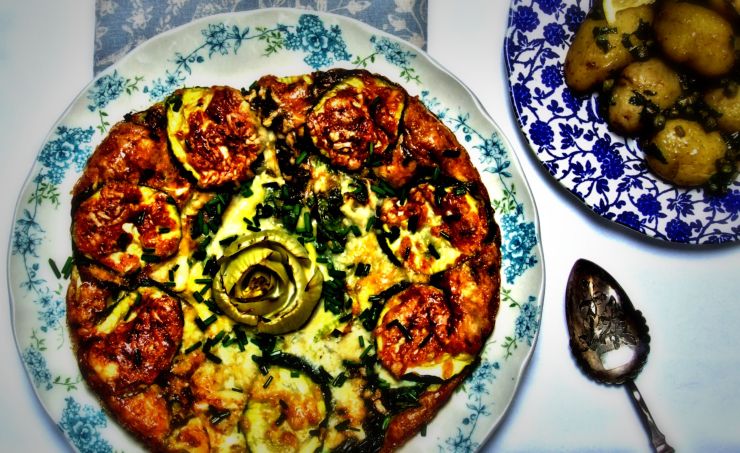

Spring vegetable frittata – low fodmap

This frittata can be served as a light lunch with Jersey potatoes and is very pretty!

Ingredients

5 eggs

Half a sliced courgette

3 Pak Choi

30g of Parmesan cheese

Chives

Salt to taste

Spray oil

Method

Wash the vegetables

Trim the base of the pak choi flat and slice it at right angles to the growth direction, about an inch from the base, to form a flower – do this with each base of the three leaves if you wish – I just used one.

Chop the rest of the pak choi finely.

Slice the courgette.

Grate the cheese.

Whisk the eggs together and season and add the cheese and chopped pak choi.

In a pan add spray oil and place the ‘flowers’ and slices of courgette around the pan.

Add the egg mix to the pan.

Cook until well cooked through

Chop over the chives and serve

Serves 3-4 with Jersey potatoes and green salad.


Allergy + Free From Show talk on IBS

Are you going to the Allergy + Free From Show in July? Don’t forget to get your free tickets here http://bit.ly/1Pga0N5 and come and see my talk for the IBS Network on Diet and Constipation – is it just about fibre and fluid?

This is on Sunday 10th July in the Learning Centre at 11:00am – come early as seats do fill up fast! If you want to see some of my talks given at previous shows check out my LinkedIn account http://bit.ly/1X8Vgav

I look forward to seeing you there!

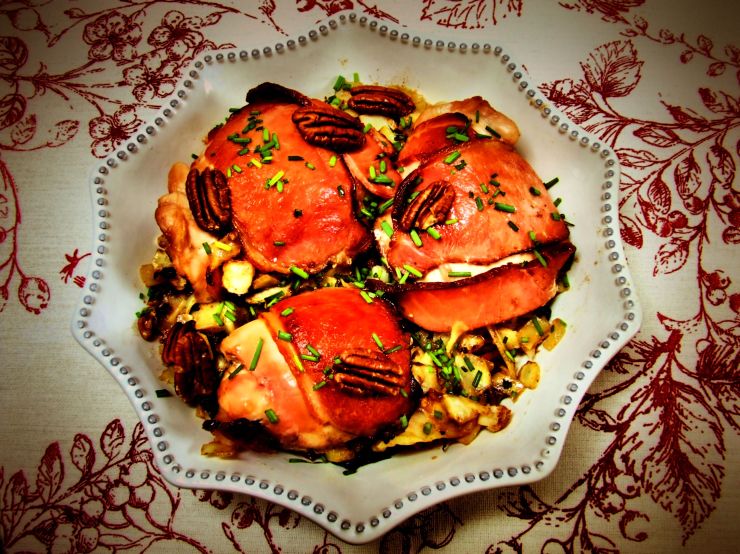
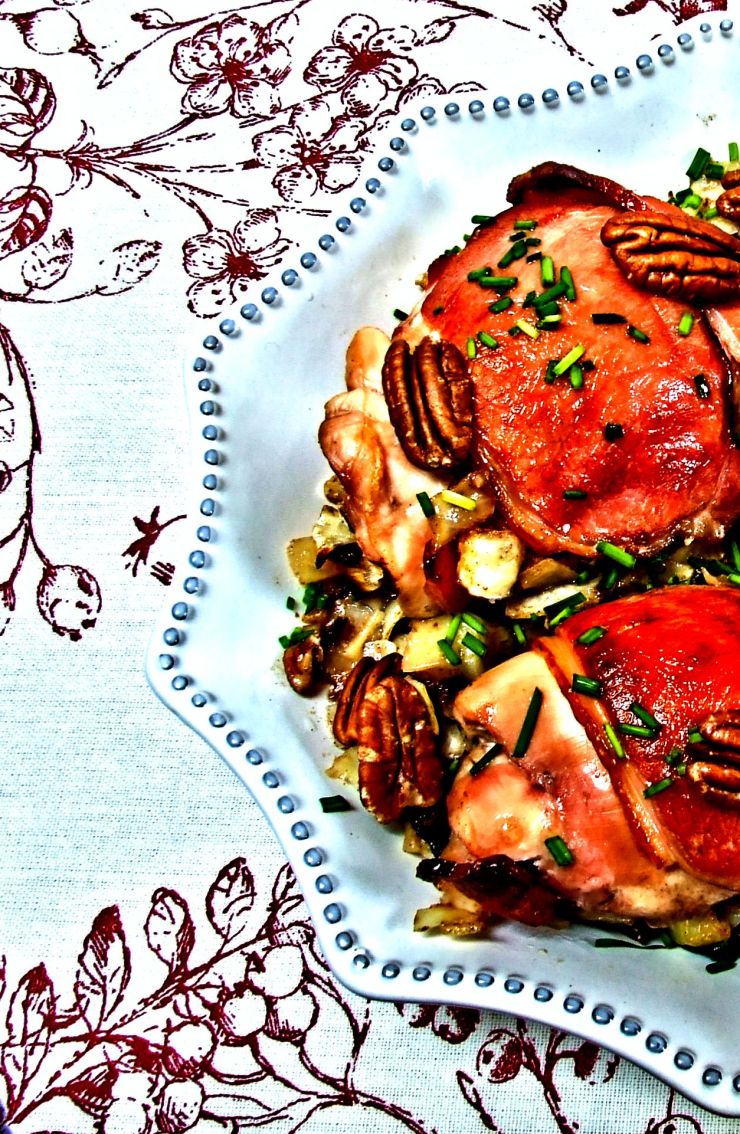
Smoked maple chicken – Low fodmap tray bake

One of my favourite recipes is an Ottolenghi dish based on chicken, cinnamon, onion, hazelnuts and honey – a middle eastern baked chicken recipe that I cook for special occasions. Obviously this is certainly not advisable for those people following a low fodmap diet, I have changed this recipe and it certainly does taste just as good as the original! I didn’t need to add any salt and pepper to the dish as my palate is used to not using them and bacon is very salty, you can add a small amount if needed, but do taste if first!

Ingredients

1/2 white cabbage

4 teaspoons maple syrup (make sure it has no fructose-glucose syrup added)

1 heaped teaspoon of asafoetida

1 teaspoon of cinnamon

6 skinless chicken thighs

6 rashers of smoked bacon (fat removed)

1 tablespoon vegetable oil

50g of chopped pecan nuts

Method

Wrap each chicken thigh with bacon – wash hands after using raw meat and any utensils used – do not wash the chicken thighs before use.

Chop cabbage thinly

In a small pan add vegetable oil, maple syrup and spices and heat gently to release the aroma.

Add the cabbage to a roasting tray

Pour over the spiced oil and mix well with cabbage

Place chicken thighs on the top and leave in the fridge for a couple of hours to marinade.

Heat an oven to gas mark 6, 220 deg.C and bake for 30 minutes.

Chop the pecan nuts and sprinkle over the bake and bake for a further 5 minutes.

Chop chives over the dish to serve.

Serves 4-6 people depending on the size of the chicken thighs. Serve with boiled rice and green salad.

chickentraybakecorala


Why your wind smells of roses – The Life of Poo book review

Well now, a book all about poo, why would anyone want to read this you may ask, surely the grim subject of poo is not something to read about – certainly not in public or polite company, I imagine you thinking. This thought briefly entered my head as I picked up the book in the bookstore and I do confess, even as a professional working in the area of digestion and more than happy to talk about poo in clinic, I purchased it online – it came in a brown package. If you are wondering whether to read on – this is not a post for those with a ‘delicate’ disposition (who perhaps belong in the eighteenth century) or one to read on your tablet at the breakfast table. You have been warned.

It might surprise you to know, you really ought to read this book. How can I persuade you to take a quick peek? How about the post title? Have you ever said, with an air of superiority, ‘my wind smells of roses, that smell cannot possibly be down to me’? You are correct it seems, at least in very small doses anyway. The ‘flower’ odour usually appears at much lower doses than is produced by a ‘silent but deadly’ however, but I’d bet you didn’t expect that did you? Adam writes that skatole and indole, the gases found in malodorous wind, smell of flowers in small concentrations.

A very surprising incident happened whilst out walking yesterday, my hubby stated this very fact when smelling hawthorn blossom. Wow, I thought, how does he know that? I really couldn’t believe it, I had only read this fact in Adams book the day before.  Well the story behind his knowledge is a bit more grim than Adam’s fascinating publication. So now I have told you about my husbands experience you want to know about it, don’t you? My husband is a chemist, he worked in a company making pharmaceutical products, one of which utilised the chemicals indole and skatole – “oh, good grief”  I exclaimed, “what sort of pharmaceutical product uses those?” “dog trainer liquid” was the response – the mind boggles. My husband had the unfortunate experience of contaminating his lab coat with these very chemicals and not only that, then proceeded to wander down to the restaurant in said lab coat, at lunch time. Chaos ensued, this had the effect of teaching him the very good lesson of removing his lab coat before dining, which one should always do, to prevent ingestion of nasty chemicals and nauseating diners. He showed absolutely no sense of embarrassment though, surprisingly enough and regaled the story with a good degree of relish.

Now, back to the topic in hand. This book is factually correct, very amusing in places and does have a small reference to irritable bowel syndrome and inflammatory bowel disease in it’s chapters – something for everyone then! It discusses the microbiota, antibiotics, prebiotics, probiotics and the microbiota’s relationship with health and disease. Very topical and containing everything of interest to me. I really like the examples used in the book to describe some complex concepts in simple easy to read form. If you want to know more about poo – yes you really do, think of it this way, it’s like looking in the bowl before flushing, you know you really should (but DO put the lid down before the flush, read a lot more about that in the book) – then I can’t think of a better book to buy.


This book was purchased by myself.

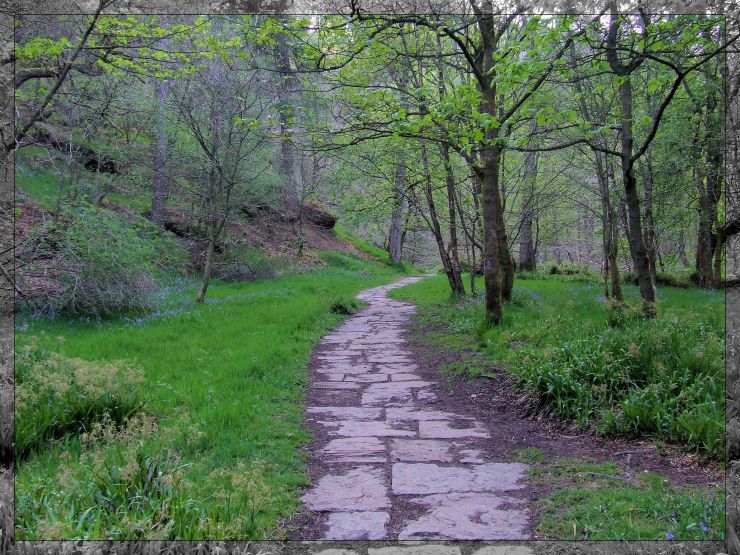
Which path will you choose?

You might consider that this post is not relevant to IBS, but everyone has to make some changes, when diagnosed with a medical condition. Changes perhaps try a new diet, a new medication or treatment, these naturally will require some change to a persons usual lifestyle. I was lucky enough to train with an inspirational dietitian during my clinical placements and one experience I had during training was listening to my mentor explaining to a patient, using the metaphor of a path, for explaining the challenges of changing any behaviour that we need to, in life. She explained that choosing to change a behaviour is like choosing a path to walk and the path we all use as a default, as human beings, is often the easy, well trodden route. Or the path of least resistance. This is a human trait – it is certainly not being lazy, a comment I often hear from people – you are not lazy – you are human. Making changes is challenging, a difficult path to follow, often with steep slopes, an uneven, meandering, overgrown path – a formidable terrain. Initially both paths follow close to each other.

Often, when starting out on a demanding route, it is very easy to start to follow the more difficult path and step from the difficult route back to the easy one. This is very much to be expected – but when this happens, look behind you – how far have you come? You now have a decision to make – and this decision is solely yours, so take full ownership of it. You can continue to follow the well trodden route, consider what this will ultimately achieve – weigh up the costs and benefits of staying on your chosen path. If you choose to stay on the well trodden path then do not feel disappointed, don’t berate yourself for your choice. You have made a choice and there will be very good reasons for it. Maybe this is not the time for difficult challenges and believe it or not, it is perfectly acceptable to reach such a conclusion. Walk a little further and consider again whether you are ready to try the more difficult path, it will always be possible to step back onto it, from the easy route. People can hop from one path to the other a few times before they find that they are actually some way down the tough route and realise that the path actually does have very manageable sections. Now the easy path is some way in the distance and this tougher path has surprisingly become the new default. Think about the achievement you can make and the views you can expect to see, when following the challenging paths in life!