Can you cook a cucumber? British cucumber week

The humble cucumber – stalwart of the afternoon tea finger sandwich has it’s own week, dedicated its summer fresh light green crispness. I find the cucumber a great salad vegetable and obviously it has been used in sandwiches for afternoon tea – a meal that has had a revival recently, but can you use it any other way?

Soup is a good start but what about roasting cucumbers or fried cucumber pasta? I think I might give it a try as the cucumber is a low fodmap vegetable – let’s see what happens!

Ingredients

2 inches of cucumber sliced thinly

1 roasted pepper (sliced)

10 olives

matchbox piece of Parmesan grated

150-200g dried gluten free pasta

1 teaspoon of garlic infused olive oil

Method

Boil the pasta as directed by the packet instructions

Using the oil fry the cucumber, pepper and olives till warmed through

Drain the pasta and combine with the vegetables

Sprinkle with grated Parmesan

Serves 2 – this was very tasty – despite first appearances!

pasta2

Quinoa deli filler

This deli filler can be used in gluten free wraps, sandwiches and on the top of jacket potatoes and is a really quick easy recipe to make. It has a very fresh taste and is a great option for summer al fresco dining. Just perfect if you want to go out for a picnic or need some alternative ideas for your lunchbox. I used Clearspring organic quinoa trio. Packet quinoa can be used hot or cold and is suitable for a low fodmap diet, just ensure you check the ingredients list before you buy. The recipe does contain egg in the small amount of mayo used to bind the ingredients together. The quinoa contains some oil but you could add a little dressing instead of the mayonnaise, if you are vegan, to bind the rest of the ingredients. You could also cook your own quinoa but this would defeat the point of making this dish as easy as possible so you can quickly make your sandwiches or wraps and get outside in the sunshine, for a picnic perhaps!

Ingredients

1 packet of Clearspring Quinoa

6 radishes

5 chives

3 tablespoons of pine nuts (these are expensive – leave them out if you wish)

150g of white cabbage

2 roasted peppers (use roasted from a jar to save time)

3 heaped teaspoons of extra light mayonnaise

Method

Wash the vegetables.

Slice the radishes thinly, chop the white cabbage, chives and the peppers

Empty the packet of quinoa into a dish

Add the rest of the ingredients and mix well.

Taste, then season if needed – the ready made quinoa already contains salt, I certainly didn’t need to add any extra.

Serve.

0e22143f-7916-4c77-bd86-4cfe1d1ab7d8

(The quinoa was purchased by me, other makes of quinoa can also be used in this dish if needed.)

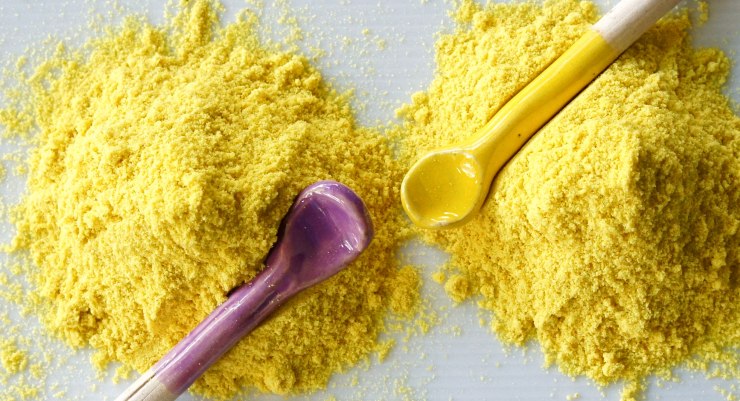
Asafoetida – what is it?

The link below is to a great little piece on asafoetida from BBC Good Food, if you are eager to learn more about this spice. I would advise anyone with coeliac disease to check to ensure it has not been mixed with wheat flour before you buy it. It is a great addition to recipes that are low fodmap. As for the account of it helping with those people who have problems with lentils and beans (foods containing oligo-saccharides) I cannot guarantee that the addition of this spice to dishes will reduce the effects of this fodmap, for those following a low fodmap diet. However if you are following a low fodmap diet and missing onion as a spice it is certainly worth trying.

http://www.bbcgoodfood.com/glossary/asafoetida

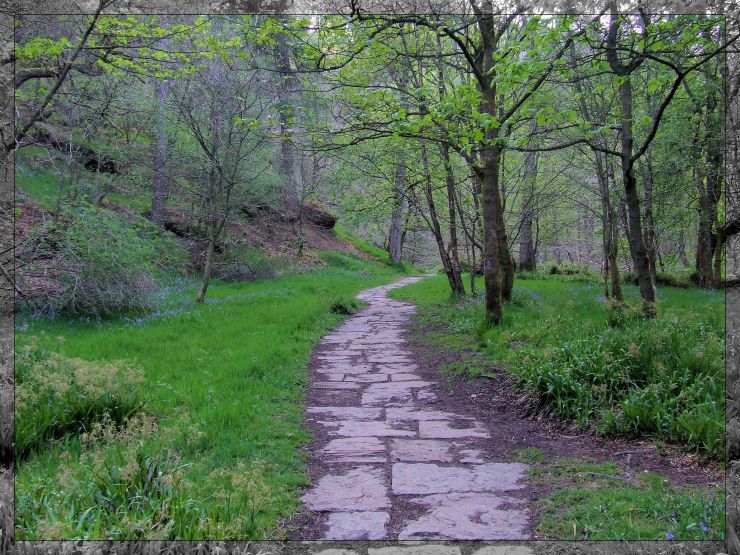
Which path will you choose?

You might consider that this post is not relevant to IBS, but everyone has to make some changes, when diagnosed with a medical condition. Changes perhaps try a new diet, a new medication or treatment, these naturally will require some change to a persons usual lifestyle. I was lucky enough to train with an inspirational dietitian during my clinical placements and one experience I had during training was listening to my mentor explaining to a patient, using the metaphor of a path, for explaining the challenges of changing any behaviour that we need to, in life. She explained that choosing to change a behaviour is like choosing a path to walk and the path we all use as a default, as human beings, is often the easy, well trodden route. Or the path of least resistance. This is a human trait – it is certainly not being lazy, a comment I often hear from people – you are not lazy – you are human. Making changes is challenging, a difficult path to follow, often with steep slopes, an uneven, meandering, overgrown path – a formidable terrain. Initially both paths follow close to each other.

Often, when starting out on a demanding route, it is very easy to start to follow the more difficult path and step from the difficult route back to the easy one. This is very much to be expected – but when this happens, look behind you – how far have you come? You now have a decision to make – and this decision is solely yours, so take full ownership of it. You can continue to follow the well trodden route, consider what this will ultimately achieve – weigh up the costs and benefits of staying on your chosen path. If you choose to stay on the well trodden path then do not feel disappointed, don’t berate yourself for your choice. You have made a choice and there will be very good reasons for it. Maybe this is not the time for difficult challenges and believe it or not, it is perfectly acceptable to reach such a conclusion. Walk a little further and consider again whether you are ready to try the more difficult path, it will always be possible to step back onto it, from the easy route. People can hop from one path to the other a few times before they find that they are actually some way down the tough route and realise that the path actually does have very manageable sections. Now the easy path is some way in the distance and this tougher path has surprisingly become the new default. Think about the achievement you can make and the views you can expect to see, when following the challenging paths in life!

Rhubarb cordial

Rhubarb is one of my favourite vegetables – yes you heard right – it is a vegetable, a stalk, but with a glorious colour and taste. It marries very well with ginger. Rhubarb has an anecdotal use as a laxative in herbal and Chinese traditional medicine but paradoxically it is also suitable for a low fodmap diet. The leaves contain high levels of oxalic acid and are toxic so not to be consumed but the stalks are very popular around the Calder valley – perhaps because we are not too far from the rhubarb triangle.

What about the chemistry of rhubarb – well Andy Brunning of Compound Interest has produced the following excellent graphic.

The-Chemistry-of-Rhubarb

I can find no RCTs for the use of rhubarb as a laxative or its use to assist in ameliorating any symptoms in IBS so I can only assume that the anecdotes are just that but the information in the graphic is very interesting, non the less. But what about recipes – to make a rhubarb cordial and puree see the recipe below which makes around a pint of cordial.

400g of rhubarb

1 inch stick of ginger

Adequate water to cover the rhubarb in a pan

Sugar or sweeteners (not polyol based) to individual taste.

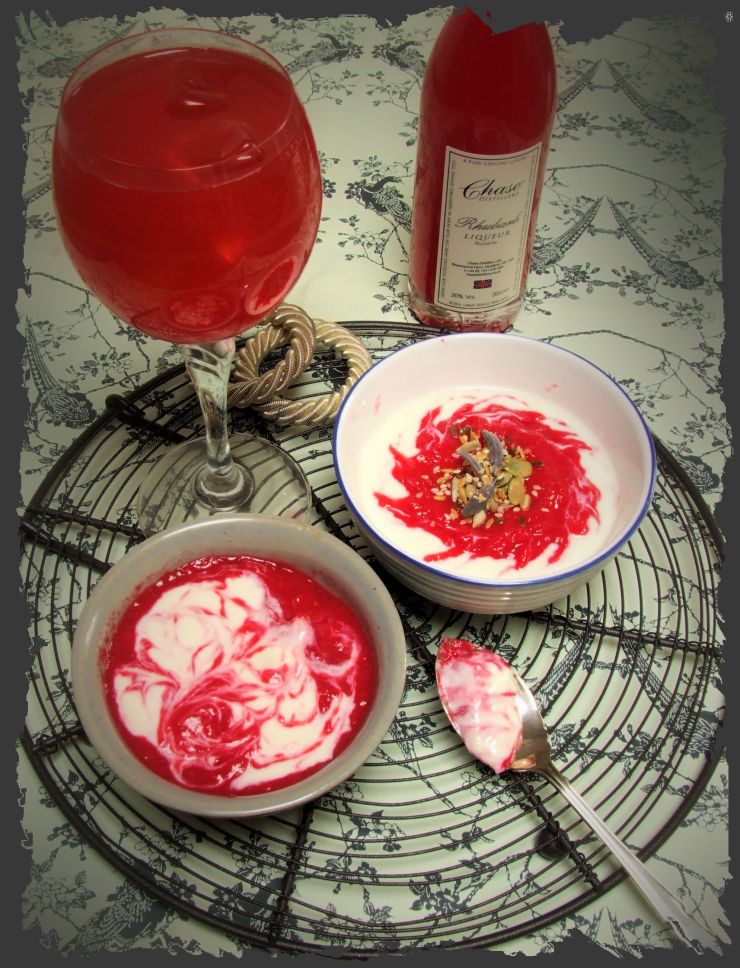
Wash and slice the rhubarb stalks, peel and chop the ginger and add to a small pan. Cover with water and cook till very soft. Add sugar (I used just enough to remove the tart taste.) Pass through a sieve or blend. then cool and add to a bottle – I used the one in the image it once contained rhubarb liqueur. The pureed rhubarb that remains in the sieve can be used to add to lactose free yoghurt as a breakfast fruit puree. Store the cordial in the fridge – you can either drink it cold or warm. Sweeteners will work just as well in the cordial and for those ‘nutrition evangelists’ that decry sweeteners as toxic- we have NO evidence that they are harmful and if they are used to reduce energy consumption for weight management or for diabetes management, then that surely has to be a benefit?

DSCF2686c

Ginger, pumpkin and rice noodles Low Fodmap

This tasty recipe can be served with fish or chicken but it can be used as a lunch meal – hot or cold by itself, if you don’t eat meat. The noodles were ginger and pumpkin rice noodles – gluten and wheat free and suitable for a low fodmap diet, they are made by King Soba.

Ingredients

150g of noodles

1 teaspoon of cumin seeds

1 tablespoon of pumpkin seeds

1 tablespoon of pine nuts

2 carrots

Spray oil or 1/2 teaspoon of garlic infused oil

A few drops of soy sauce.

Method

Cook the noodles till soft in boiling water with a small amount of salt.

Peel then trim the carrot till the sides are straight and peel down the length of the carrot to produce strips, then cut them in half lengthwise. This makes thin strips that can cook quickly in a wok.

Add the oil to a wok and fry the cumin seeds for a few seconds to release the flavour.

Add the pine nuts and pumpkin seeds and a few drops of soy sauce (ensure gluten free if you have both IBS and coeliac disease.)

Then add the carrot and cook till softened.

Add the cooked noodles and mix well, then serve.

Serves 2.

DSCF2672 (2)

I use these noodles regularly and the dish was made from stock from my store cupboard.