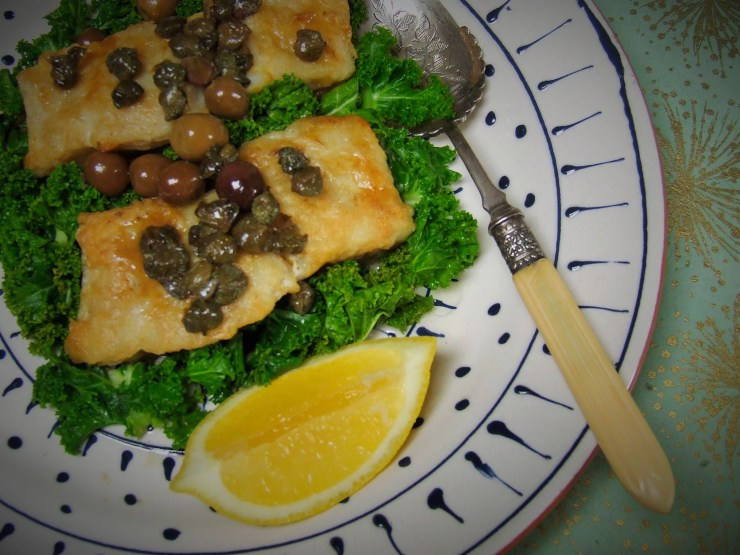
Cod with caper and olive sauce

Flavourings such as capers can be included on the Low Fodmap diet and are especially important when onion and garlic are not available in the range of flavours that can be used to develop dishes. Capers are a delicate taste and one that I certainly did not appreciate when I was younger. I remember very well taking a jar of capers to a party when I was a teenager and not one person who attended the party liked them. But perhaps this was because I had stated to absolutely everyone in my eagerness – taste these, aren’t they really disgusting? Perhaps this preconditioned everyone else that of course capers are MEANT to taste dreadful, perhaps not too surprising that everyone else thought so. However when we are younger we have more taste buds therefore we taste more acutely and this is thought to be as a result of the higher energy needs of children enabling them to prefer and seek out energy dense foods. Bitter and sour notes in food are avoided – we only start to appreciate bitter notes in food when we are in our early twenties. As my taste has developed as I have aged I now really relish capers – they go rather well with fish and are better eaten warm and add a depth of flavour. I noted a very similar effect of olives, and do now love their saltiness and rich flavour. We also can develop aversions to foods and food aversion might be psychologically conditioned – a learned behaviour. If we experience sickness during a time when we are eating we can develop a strong aversion to that food, it is common that people undergoing chemotherapy can develop aversions to food. This can happen if strong negative emotions are developed during eating also, the food a ‘reminder’ of the episode therefore avoided.

Development of taste matures as we age, capers are an acquired taste, but one that will expand the range of dishes available to people following the Low Fodmap diet. Taste is a very complex sense – why not challenge yours and make this recipe?

Ingredients

2 pieces of white fish

1 egg

Gluten free flour for dusting

2 tablespoons of capers

1 Lemon (juice only)

1 tablespoon of oil

1 tablespoon of green olives

Salt and pepper to taste

(serve with steamed kale and new potatoes.)

Method

Mix the egg with a fork and add to a flat plate, add the flour to another flat plate with a small amount of salt and pepper.

Dip the fish fillets into the egg first, then the flour.

Fry in a small amount of oil till the flour is golden and then remove the fish fillets and cook for ten minutes in an oven till cooked through (timings will depend on how thick the fillets are.)

Add capers, olives and the juice of the lemon to the pan and warm through. You should not need to add salt to this sauce as the olives and capers add plenty of saltiness to the dish

Serve the fish and pour over the capers and olives, serve with green vegetables (I used kale) and boiled new potatoes in their skins for added fibre.

Enjoy!
DSCF2703 (3)

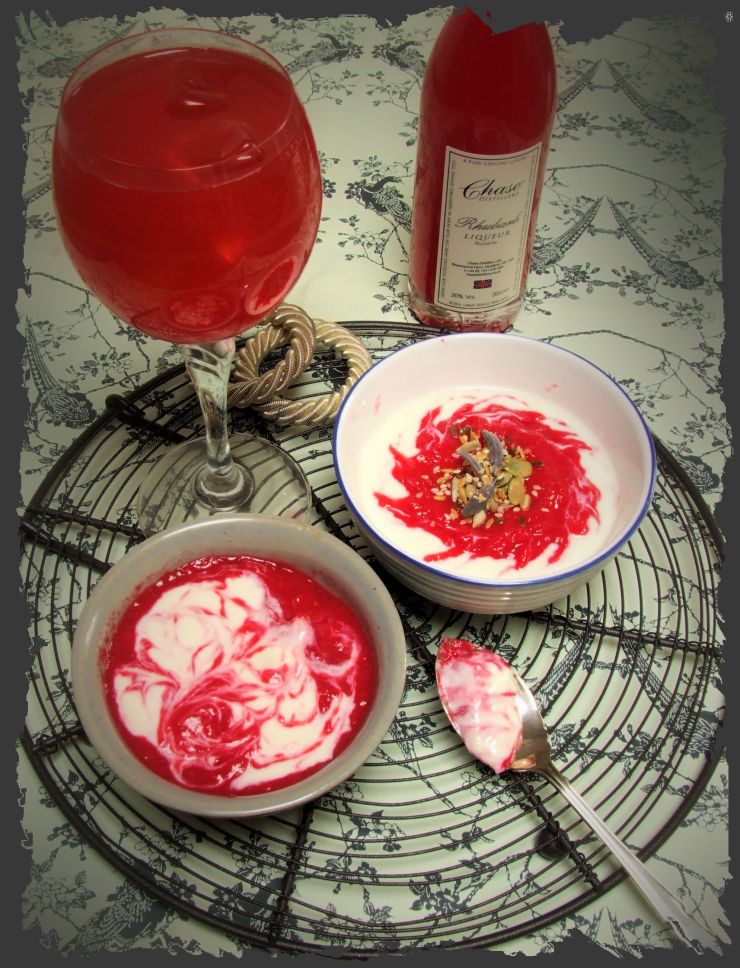
Rhubarb cordial

Rhubarb is one of my favourite vegetables – yes you heard right – it is a vegetable, a stalk, but with a glorious colour and taste. It marries very well with ginger. Rhubarb has an anecdotal use as a laxative in herbal and Chinese traditional medicine but paradoxically it is also suitable for a low fodmap diet. The leaves contain high levels of oxalic acid and are toxic so not to be consumed but the stalks are very popular around the Calder valley – perhaps because we are not too far from the rhubarb triangle.

What about the chemistry of rhubarb – well Andy Brunning of Compound Interest has produced the following excellent graphic.

The-Chemistry-of-Rhubarb

I can find no RCTs for the use of rhubarb as a laxative or its use to assist in ameliorating any symptoms in IBS so I can only assume that the anecdotes are just that but the information in the graphic is very interesting, non the less. But what about recipes – to make a rhubarb cordial and puree see the recipe below which makes around a pint of cordial.

400g of rhubarb

1 inch stick of ginger

Adequate water to cover the rhubarb in a pan

Sugar or sweeteners (not polyol based) to individual taste.

Wash and slice the rhubarb stalks, peel and chop the ginger and add to a small pan. Cover with water and cook till very soft. Add sugar (I used just enough to remove the tart taste.) Pass through a sieve or blend. then cool and add to a bottle – I used the one in the image it once contained rhubarb liqueur. The pureed rhubarb that remains in the sieve can be used to add to lactose free yoghurt as a breakfast fruit puree. Store the cordial in the fridge – you can either drink it cold or warm. Sweeteners will work just as well in the cordial and for those ‘nutrition evangelists’ that decry sweeteners as toxic- we have NO evidence that they are harmful and if they are used to reduce energy consumption for weight management or for diabetes management, then that surely has to be a benefit?

DSCF2686c

Ginger, pumpkin and rice noodles Low Fodmap

This tasty recipe can be served with fish or chicken but it can be used as a lunch meal – hot or cold by itself, if you don’t eat meat. The noodles were ginger and pumpkin rice noodles – gluten and wheat free and suitable for a low fodmap diet, they are made by King Soba.

Ingredients

150g of noodles

1 teaspoon of cumin seeds

1 tablespoon of pumpkin seeds

1 tablespoon of pine nuts

2 carrots

Spray oil or 1/2 teaspoon of garlic infused oil

A few drops of soy sauce.

Method

Cook the noodles till soft in boiling water with a small amount of salt.

Peel then trim the carrot till the sides are straight and peel down the length of the carrot to produce strips, then cut them in half lengthwise. This makes thin strips that can cook quickly in a wok.

Add the oil to a wok and fry the cumin seeds for a few seconds to release the flavour.

Add the pine nuts and pumpkin seeds and a few drops of soy sauce (ensure gluten free if you have both IBS and coeliac disease.)

Then add the carrot and cook till softened.

Add the cooked noodles and mix well, then serve.

Serves 2.

DSCF2672 (2)

I use these noodles regularly and the dish was made from stock from my store cupboard.

How does the free from toad get in the hole?

It’s March and it is snowing today! I have been out and I did get soaked to the skin – urgh! It is not nice snow – more the sloppy sort that doesn’t stick around long enough to freeze properly. If you are thinking of cooking a really warming comforting meal you need go no further than the recipe for toad in the hole. But there is a catch if you are lactose and gluten or wheat free. How does the toad get in the free from hole? Make the following recipe and find out!

Ingredients

400 mls of lactose free milk

6 gluten free sausages

200g of gluten free self-raising flour

1 teaspoon of gluten free mustard powder

salt & pepper

3 eggs

1 tablespoon of olive oil

Method

weigh the flour into a bowl and add the mustard powder and mix well

break the three eggs into the bowl and add the lactose free milk

add salt & pepper and mix well

add the oil to a dish and heat in the oven

prick the sausages and add to the pan

pour around the batter and place in the top of an oven at gas mark 7 or 220 degrees C till the surface is nice and brown.

Serves four for a meal – if you have a problem with higher fat foods and your IBS then you might need to be cautious with your portion size. Also don’t forget this is a high fat meal so it is for occasional consumption only – when you really need a lift midwinter after going for a long walk in the snow perhaps! 😉

DSCF1785

Spaghetti Bolognese – Low Fodmap

This is a family favourite, a classic dish that is the stalwart of many family meals so we should look at modifying it to make it suitable for ALL the family – even those with IBS. Whilst I would not advocate everyone following a low fodmap diet if they don’t need too, the occasional meal where everyone can participate without faffing around cooking some items separately is a bonus. This will make the meal slightly more expensive using gluten free pasta but is maybe worth it occasionally. It is not likely to be harmful for others to eat gluten free pasta occasionally as long as people do not go fully gluten free or low fodmap without good reason (a diagnosis of coeliac disease or a diagnosis of IBS when coeliac disease has been tested negative on a gluten containing diet.)

Passata

DSCF2627 (2)

1 jar of roasted peppers (or roast 3-4 of your own, then skin them)

4 tomatoes

a handful of basil

1-2 teaspoons of dried thyme and basil

Salt and black pepper to taste

Method

Blend this with a hand blender till smooth – add some water if this is too thick.

Bolognese Sauce

1 dessert spoon of garlic infused oil

600g of lean minced beef*

Passata (above)

2 teaspoons of gluten free flour + water

method

Add the oil to the pan and fry the meat with 3 dessert spoons of the passata.

Add the remaining passata to a pan

Add two teaspoons of gluten free or corn flour and water mixed till smooth

Cook this till thickened and add to the meat.

Cook till tender.

Spaghetti

You do need to watch gluten free spaghetti and keep it moving when cooking to prevent it from sticking. Use the method advised on the packet and add to a large pan of boiling water. Keep testing it – it should be ready at the point it is still relatively firm but soft enough to eat, take care not to overcook it.

Add the spaghetti and bolognese to the dish to serve and top with a little grated Parmesan cheese.

Serves 6

*If you find that red meat causes symptoms of IBS choose lean and a small portion – or you could also use 1/2 beef and 1/2 turkey to reduce the amount of red meat contained in the dish.

DSCF2643 (2)


Lasagna – low Fodmap

This is a recipe for lasagna – many people with IBS find that lasagna is a dish that results in symptoms but this version is low fodmap and not too high in fat levels so should be suitable for most people. It is fairly easy to make but has a number of steps to complete.

Ingredients

1-2 roasted red peppers (or you can buy a jar of roasted red peppers if you don’t have the time or inclination to roast and peel your own.)

4 tomatoes

a packet of fresh basil

100 ml water

250g of lean red meat

1 tablespoon of garlic infused oil

1 teaspoon of asafotida

750 ml of lactose free milk (semi skimmed is suitable)

2 teaspoons of corn flour.

2 teaspoons of light spread

40g parmesan (and extra to grate on the top of the lasagne just prior to cooking.)

2 courgettes

1 egg

1 packet of gluten/wheat free pasta sheets

Small amount of salt to taste

Method

Blend together the red peppers, tomato and 4-5 sprigs of basil to form a sauce for the meat and courgette.

Using the tablespoon of oil fry the asafoetida to release the flavour and then add the meat and fry for 5 minutes. Add 1/5th of the red sauce to the pan and continue to cook the meat for 10 minutes. Prepare the white sauce add the spread to a pan and melt, then add the cornflour, it will form a ball. Slowly incorporate the milk into the spread and flour mix till it is all mixed in, then add the grated Parmesan cheese. Cook till the sauce thickens, then cool. When the sauce is cooled whisk in 1 egg.

Start to build the layers add any remaining basil leaves as you build up the layers – I started with a layer of pasta but you can decide how you want to make up the dish. Then add a layer of sliced courgettes and add some pasta pepper sauce. Then add pasta, and then the layer of meat sauce. Another layer of pasta and then courgettes and red sauce. Finally top with the white sauce and sprinkle with grated Parmesan cheese. Cook for 30 minutes and serve with a green salad.

Serves 4-5

DSCF2615 (4)