Monash advises on the suitability of ‘superfoods’ for the Low Fodmap diet and de-bunks the myth

If you have followed my blog for some time you are probably aware of my views on super foods – if not check out one of my previous posts on the superfood called carrots – yes really! The blog has an old reference to David Cameron’s pasty saga though, which you might not be aware of, as the post was written some time ago!

https://clinicalalimentary.wordpress.com/2012/08/17/orange-superfood-cheap-and-not-too-hard-on-the-digestive-tract-the-carrot-yes-seriously/

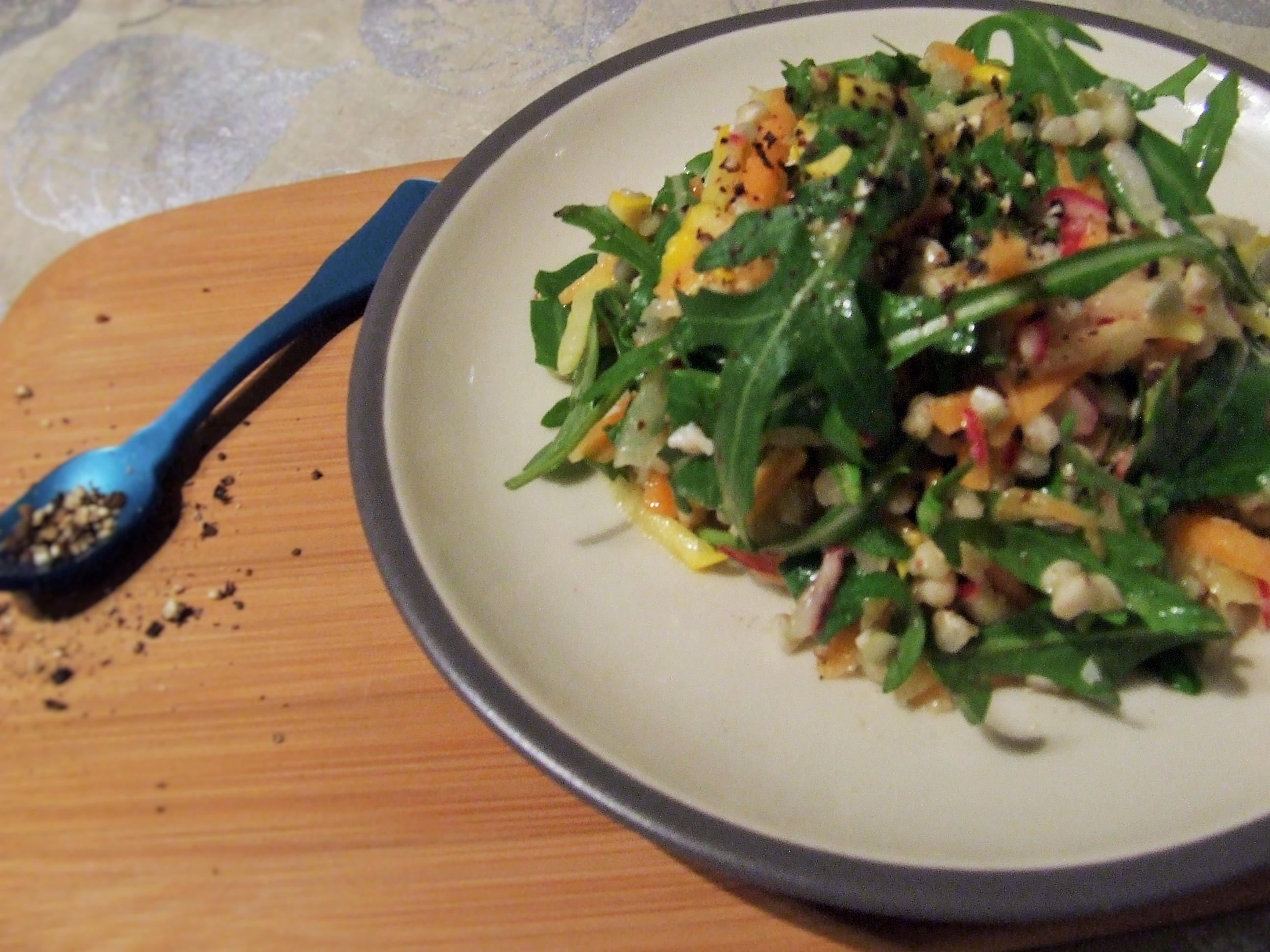
The carrot has the added advantage that it is low fodmap too, so don’t believe all the superfood hype. The best fact is though that carrots are cheap – superfoods attract a super high price, the best tip however is to have a good variety of foods in your diet. You don’t need to include these super foods to be healthy. But what if you want to include coconut water, kale and chia seeds in your Low Fodmap Diet? The Monash blog has a really good post about de-bunking the myth behind super foods and gives advice on the fodmap content of those foods. You should check out this blog.

http://fodmapmonash.blogspot.co.uk/2015/03/debunking-myth-behind-superfoods.html
DSCF1279 (2)

Prunes – natures laxative.

“I hope my tongue in prune juice smothers, If I belittle dogs and mothers”

Ogden Nash

ogden_nash-200
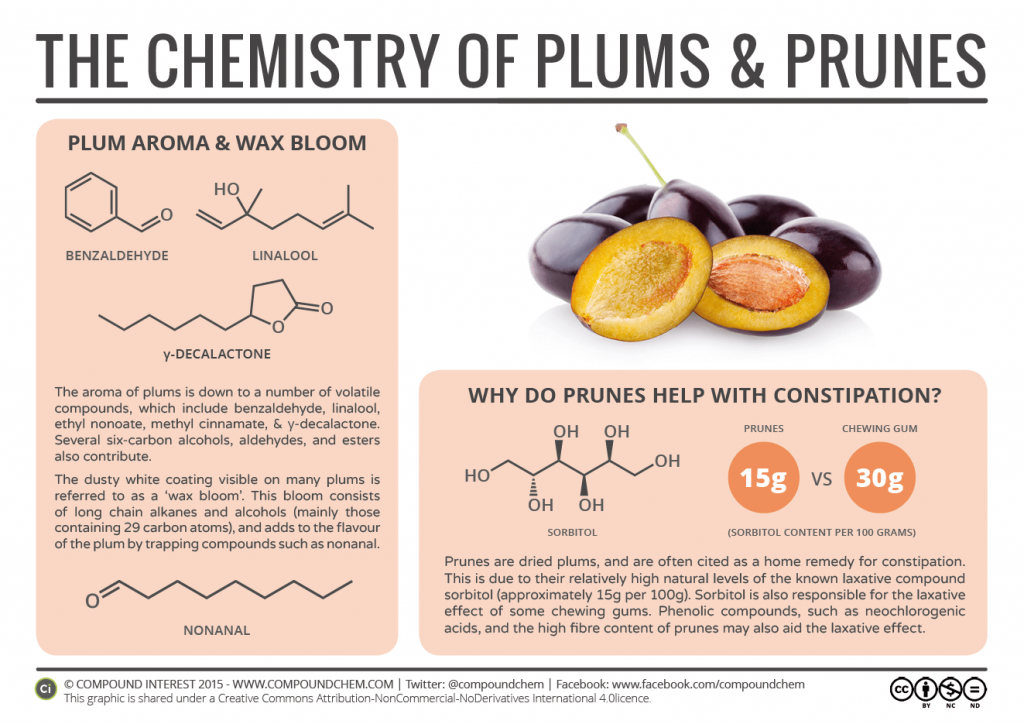
Ogden Nash was an American poet who suffered from crohn’s disease according to Wikipedia, his unfortunate demise was after a lactobacillus infection after eating poorly prepared coleslaw as the Wikipedia site states. Interesting quote about prune juice, do you get the feeling he detested prunes? Prunes might have resulted in symptoms for him – depending on his crohn’s disease. I can only speculate, but what do these dried fruits do for us? Should we in fact include them in our diet? The following post by Compound Interest explains the chemistry behind the prune – or dried plum.

http://www.compoundchem.com/2015/09/01/plums-prunes/

Prunes do in fact improve constipation – but for some people at a cost – the reason they do is down, in part to the large amount of sorbitol and fructans they contain, these FODMAPs or fermentable sugars draw fluid into the small bowel and rapidly ferments in the large bowel. Sorbitol is also found in sugar free mints and gum – often a warning is given on these to avoid eating too much as a laxative effect may be the result. Not great if you have IBS and bloating and are intolerant to sorbitol. Prunes could also result in symptoms for people with active crohn’s disease too – perhaps that is the reason they are suggested by Nash to be a treatment to instill an avoidance of denigrating your mother! Or alternatively it might be just down to taste or personal preference. But to help constipation if you don’t suffer from IBS, bloating and excessive wind – they are worth a try – introduce them in your diet slowly so your bowel adjusts to the extra fibre they contain. These sugars can also have a pre-biotic (food for bacteria) action, so it is worth including some in your diet if you tolerate their effects!

The-Chemistry-of-Plums-Prunes-1024x724

Sprouts – love them or hate them?

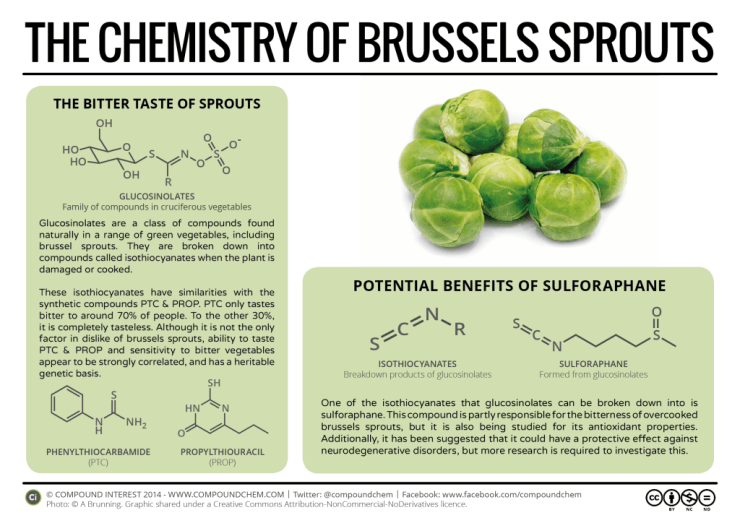
What do you think of Brussel sprouts? Like them or loath them? According to Compound interest website they are a real marmite vegetable, a gassy fodmap food but some people really love them! Check out the link below to learn more about the chemistry of the much maligned vegetable from the excellent chemistry website Compound Interest.

http://www.compoundchem.com/2014/12/04/brusselssprouts/

Sprouts also contain fructans which is responsible for the propensity of Brussel sprouts to be fermented by the gut microbiota, small amounts can be tolerated but don’t go over the top with your portion if you suffer from IBS and are following the low fodmap diet or are intolerant of fructans!

Gluten free low lactose crumpets – better to make these at home!

This recipe is really easy to make and is gluten-free, low FODMAP and low lactose. These are really nice to enjoy toasted with a little free from spread (and jam if you wish) on a cold winters day after a long walk in the countryside! It was really cold outside when the pictures below were taken but the benefit of being outdoors is the atmospheric sky and moss-covered surfaces – showing that winter is really here!

DSCF1761 (2)

Ingredients

300 g Gluten free self-raising flour

1 teaspoon of dried yeast

2 eggs

3/4 pint of lactose free milk

Salt + pepper

Method

Remove the eggs from the fridge and leave to warm to room temperature. Heat the milk till luke warm (body temperature.) Weigh out the flour and add the eggs, milk, yeast salt and pepper. Mix well and leave somewhere warm for the yeast to begin to rise, heat a frying pan and using spray oil to fry and using a cooking ring sprayed with oil place this in the pan and fill the ring with 1 cm depth of batter, you should see small bubbles forming on the surface of the crumpet. Lift up the cooking ring turn the crumpet over and cook through. If you are avoiding yeast then try a little more baking powder in the batter instead.

DSCF1737DSCF1732

Wheat free couscous stuffed peppers and Living well with IBS

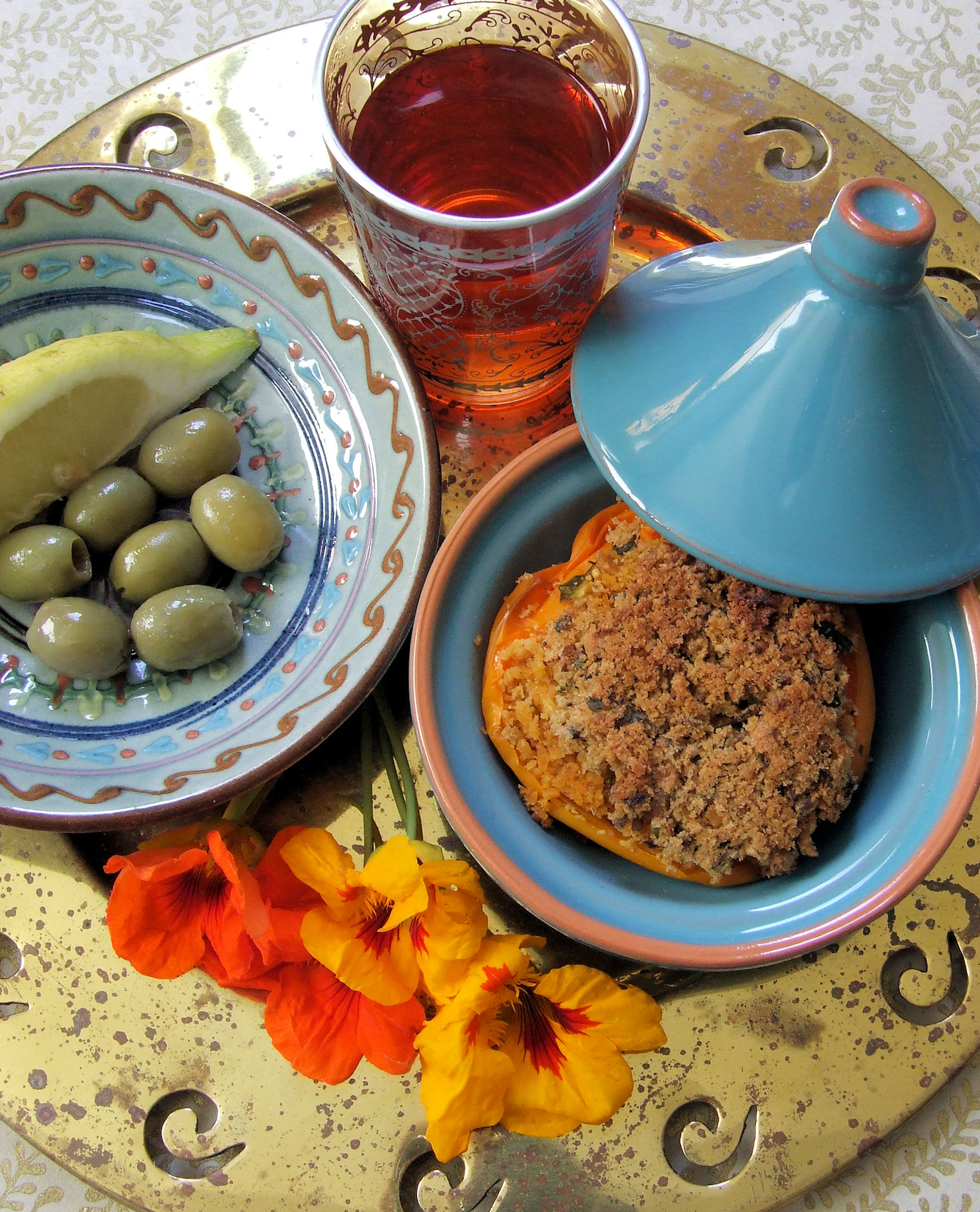
Please watch and share ‘Living well with IBS’ (irritable bowel syndrome), a film made by Vicky Grant, a researcher at the University of Sheffield, and Gemma Thorpe, a professional filmmaker. Vicky has lived with IBS for over 30 years; here she talks about her experiences and the experiences of others, as portrayed through the storytelling workshops she runs through the Knowing as Healing project.

One of the recipes developed for the video is the one below – a perfect choice for meatless Monday!

Ingredients

150g of wheat free couscous
200ml of boiling water
60g of green olives
60g of hazelnuts*
2 teaspoons cumin
1 teaspoon of cinnamon
1 teaspoon of mild paprika
10-12 strands of fresh coriander
Grated rind and juice of 1 lemon
4 slices of wheat free seeded bread
4 teaspoons of garlic infused oil
Five orange peppers.
Salt to taste.

DSCF1606mod

Weigh out the maize couscous and add the boiling water and cover – leave to stand for 5 minutes.

Add the oil to a pan and add chopped hazelnuts and add cumin, cinnamon and mild paprika and toast the nuts.

Mix the nuts and spices with the couscous and add chopped olives.

Wash and cut the peppers in half fill each with the couscous.

Crumb the bread and add lemon and fresh coriander and sprinkle this mix on the top of each pepper.

Use aluminium foil to cover the peppers while they cook and cook till pepper is soft 20-10 minutes at gas mark 5 or 190°C. Remove aluminium foil for the last 5 minutes to toast the breadcrumbs. Watch out for other recipes soon!

*Hazelnuts do contain some FODMAP but are used in very small amounts in the recipe – if you wish you can omit them if problematic or if you are on the exclusion part of the diet.

Serves 10 – serve with some Low FODMAP salad as a light lunch

Marrow – a tasty vegetarian meal

DSCF1685modThis is a really tasty recipe that can be quickly prepared for an evening meal.

Ingredients

1 Marrow (or as in the picture above 1/2 a green and 1/2 a yellow marrow)

400g of new potatoes leave on the skin for added fibre

1 tablespoon of pine nuts

1 tablespoon of chopped hazelnuts

1 tablespoon of garlic infused oil

a handful of fresh coriander leaves

1/2 lemon (juice only)

Salt & Pepper to taste

Method

Wash the marrow and slice in half – remove the seeds from the centre of the marrow and discard.

Slice the marrow into 2cm thick slices.

Wash the potatoes and slice into 1cm slices

Chop the hazelnuts

Into a baking tray add the above ingredients, the pine nuts – add lemon juice to the garlic infused oil and season. Mix and pour over the ingredients and mix till the oil has covered all the vegetables.

Place in a preheated oven at gas mark 6 until soft.

Serve with a handful of fresh coriander leaves.