Tapas

This slideshow requires JavaScript.

This recipe is inspired by tapas dishes, usually filled with lots of garlic and onion – not great for people who are avoiding these ingredients. I hope you enjoy the recipe and the views of Barcelona!

DSCF1207mod

1) Spanish omelette.

This is a layered egg and potato omelette – minus the onions, but no worse because of it. It is probably best eaten warm, although if you don’t have a problem with resistant starches you could have it cold with a green leaf salad perhaps.

Ingredients

4 large eggs

4 potatoes

1 teaspoon of paprika

Oil/margarine to grease the dish, to prevent the omelette sticking to it.

Salt + Pepper

Method

Slice the potatoes thinly leaving the skins on for a little extra fibre!

Beat the eggs and add salt + Pepper

Rub margarine around your cooking dish and sprinkle around the paprika.

Par boil the potatoes and cool (don’t allow them to go too cold if you have a problem with resistant starch)

Add layers of potato and egg.

Weight the dish as it cooks so the egg penetrates all the layers.

Cook in a moderate oven till the potatoes and egg are cooked through.

2) Roasted paprika peppers

Ingredients

3 peppers – I like to use yellow and orange peppers as they look so nice but you can use any colour of pepper you feel like.

1 tablespoon of garlic infused olive oil

1 Teaspoon of smoked paprika (I used hot, but you can choose the heat of your paprika depending on your symptoms)

Salt + Pepper to taste

Method

Slice the top off the pepper and remove the stalk, slice the pepper. For the main body of the pepper again slice it but remove any white pithy material from the inside.

Add the oil paprika and seasoning and roast till soft – really couldn’t be simpler!

Low FODMAP, gluten free (check paprika contains no contamination) milk, lactose and fructose free.


Taking your IBS on holiday – too scary to contemplate? Or perhaps it might help!

January is a time when we start to think about holidays later in the year. However many people who suffer from IBS don’t travel as a consequence of having symptoms. Travelling can be a daunting prospect if you suffer from symptoms of IBS, sitting for too long can make constipation worse or having dreaded diarrhoea and anxiety of not being able to access toilet facilities quickly, can often put people off travelling too far from home. I often find that people tell me that their symptoms can reduce on holiday so, might it be worth the aggravation of getting to your destination to have the symptoms improve once you are there? Here are some tips that might help and this has been posted in time for you to think about arrangements that you might need to make. This post was originally written for Patient UK last year.

1. Ensure you have plenty of time to get to the airport or to your destination if staying in the UK. Don’t rush, try to use travelling as part of the holiday experience. It doesn’t matter if it takes longer to get to your destination, sometimes using A road routes might be a good alternative to motorway travel, you can drive through some stunning scenery in the UK.

Infographic from Hertz https://www.hertz.co.uk/rentacar/misc/index.jsp?targetPage=scenic-drive-in-uk.jsp

2. Before travelling plan toilet stops along the route if driving in the UK – Patient UK have a very useful new app for this and perhaps more importantly, useful for those unplanned panic stops! See the link at the bottom right hand side of the blog.

Work within your symptoms – if they are worse at a particular time of day, plan to travel outside of those times if you can.

3. If flying or travelling by train book you seat in advance as near to the toilet as you feel comfortable – don’t forget your can’t wait card or translation card* have this in your hand luggage (just about as important as your passport!) Do check the train you are planning to travel on (and the station) has toilet facilities.

Chiltern Railways transformed via Thame Gazette. Lets hope that this is not just a superficial attempt at improving toilet provision.

Get up and move around, if you can, during your flight or train journey – this will also help your risk of blood clots!

4. If you suffer from food intolerances book your in-flight meal in advance contact the airline and discuss your needs with them. If you follow the Low FODMAP diet, or exclude any other foods, avoid foods that result in symptoms at least 48 hours prior to travelling.

5. Take some spare clothing, wet wipes or toilet paper in your hand luggage to freshen up and to use in emergencies. Use a discrete bag to store them in your hand luggage so if your bag needs checking at customs you won’t feel too embarrassed.

6. Do some research about the food in the country you are travelling to, sometimes patient organisations available in the country you are travelling to can be helpful if you are intolerant of gluten for example – https://www.coeliac.org.uk/gluten-free-diet-and-lifestyle/holidays-and-travel/

Don’t plan to do too much during your vacation – less is more! You are more likely to enjoy the experience if you choose one or two visits rather than a very packed itinerary.

7. Contact the hotel to discuss food requirements before you travel – or you may wish to go self catering if you have more than one food intolerance and would find it difficult to manage. Often plain food such as rice, chicken & fish are abundant so do think about your dietary needs when planning your holiday.

8. Be aware that toilet facilities abroad may be very different to what we are used too at home, again being prepared for this can help.

How to use a toilet demonstrated in 2012 by Bryce McGowan – Solomon Islands

9. Take some rehydration salts in your first aid pack as you can become dehydrated very quickly in hot climates especially if you experience diarrhoea. Ensure you have plenty of fluids to drink, 8-10 glasses are usually adequate but you may need more, dark coloured urine (wee) is usually a good indication that you are not having enough.

10 Be very aware and follow travel food hygiene advice at your destination, as the last thing you would want is a case of travellers diarrhoea during your holiday http://www.nhs.uk/conditions/Diarrhoea/Pages/Introduction.aspx  More information on food safety abroad can be found at http://www.nhs.uk/livewell/travelhealth/pages/travellersillnesses.aspx

*Can’t wait and translation cards are available with the membership package for The IBS Network.

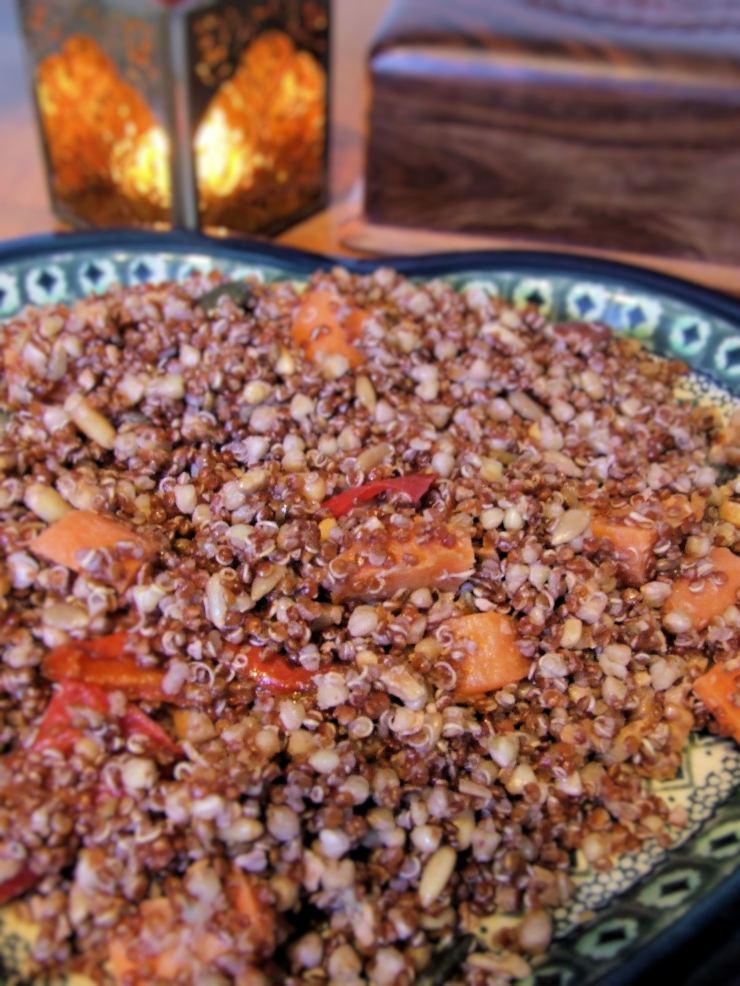
Toasted quinoa and buckwheat salad – gluten free, dairy free, vegan

DSCF1140mod

It is a little more of a challenge to follow a free from diet if you are vegan and rely on pulses in your diet – I am going to attempt to produce more recipes to facilitate a good variety of foods for you to choose, during the exclusion phase, here is one recipe – but check out the links below for others.

Ingredients

25 g Mixed sunflower and pumpkin seeds

25 g Walnuts

25 g Pine nuts

1/2 Teaspoon of smoked paprika

1/2 Teaspoon of cinnamon

1/4 Teaspoon of ginger

1  dessert spoon of garlic infused oil

1/2 Lemon

2 Carrots

1 Red pepper

150 g Red quinoa

80 g Buckwheat

Spray oil

Method

Add the spices to the garlic infused oil and mix into the chopped nuts and mixed seeds.

Toast for 5-10 minutes in an oven – watch this closely as it can easily burn.

Remove from the oven and cool.

Add the buckwheat and quinoa to a pan and add some water to cover and simmer till soft.

Cool.

Chop the pepper and carrot into medium pieces and spay with oil and roast in the oven.

Mix ingredients together and add lemon juice.

Check the labels of the spices to ensure they are free of contamination with gluten if you have coeliac disease

Serves 4-6

 https://clinicalalimentary.wordpress.com/2012/12/16/dippy-over-hummus-oh-sigh-to-find-a-low-fodmap-alternative

https://clinicalalimentary.wordpress.com/2012/10/13/snack-time-spicy-paprika-crackers-low-fodmap-wheat-free-dairy-free-gluten-free/

https://clinicalalimentary.wordpress.com/2012/10/04/midweek-low-fodmap-special-veggie-chilli-a-warming-meal-for-chilly-nights/

 updated 22.11.14

The first noel – carol singing with warm Low FODMAP sweet pies

It’s the first of December today – and so the countdown begins. I hope you have had a nice surprise this morning when opening your advent calendar for the first time. The evenings are dark early and it is a really frenetic time of year. I wonder how many of you will have carol singers arriving at the door in two or three weeks time? Have you ever wondered if any of your visitors have food intolerances when handing them a warm mince-pie after their efforts? Is offering mince-pies too old-fashioned do you think? Would they rather have money? That would be a little sad and not really in keeping with the spirit of the season. I have decided to rewrite the Christmas favourite – mince-pie, to provide a different alternative for those people who want to avoid a bout of symptoms after their festive singing. The recipe is based on rice flour – the pies are baked blind so the filling really is up to you, if you want to avoid nuts or other ingredients, you can base the filling on something else. The pastry is a great base for jam, lemon curd tarts or custard tarts you can add any other filling you can imagine!

Ingredients

1) pastry recipe

240g Rice Flour

50g Dairy free margarine

50g Light muscovado sugar

2 Eggs

1/2 Teaspoon of xantham gum

pinch of salt

2) Filling

60g Light muscovado sugar

20g Treacle

45g Golden syrup

1/2 Cap of vanilla essence

50g Dairy free margarine

1/4 Teaspoon cinnamon

1/4 Teaspoon of mixed spice

1 1/2 eggs (use the other half for brushing the pastry)

50g Pecan nuts

50g Banana chips

DSCF1059modMethod

Add the rice flour, salt and xantham gum to a bowl and mix. Melt the margarine and sugar in a small pan and allow to cool a little. Add the eggs and sugar mix to the rice flour and knead thoroughly. Pastry without gluten needs working to give a good texture, if you need to add a little more egg then do. It really is different to cooking with standard pastry – you should not need to allow it to rest either. You can roll this out between cling film but I used a little rice flour and had no problem in rolling and cutting the pastry. Cut the pastry and add to a well greased pie baking sheet. Add baking beans to each tart case and cook for 10 minutes gas mark 5 or 190°C. Allow to cool, makes about 20-25 tarts depending on how thin you roll the pastry.

Melt the sugar, golden syrup, treacle, margarine, vanilla essence and spices in a pan under a low heat – allow to cool a little to ensure it doesn’t scramble the eggs. Add this mix to the eggs whilst beating. Save a pecan nut or banana chip as decoration for each tart and chop the rest separately. Split the sugar and egg mix into two – add chopped pecan to one and chopped banana chips to the other. Mix well then add a small amount to each tart and top with the decoration. Cook at the top of an oven at gas mark 5, 190°C for 15 minutes (do keep checking them to ensure they don’t burn.)

Be aware that these pies do contain fibre – so only eat a small amount! They are small pies just a morsel to tempt!

Updated 22.11.14

Stir fry beef low fodmap

gingergrind

This recipe is suitable for a Low FODMAP diet, lactose free, wheat free dairy free and some advice later will show you how you can modify this recipe suitable for Crohn’s and colitis too. Give it a go – also check out the following tool to help you monitor your symptoms of diarrhoea it is not a diagnostic programme so if you have a diagnosis and wish to know more read on…….

A new free online health programme and app called MyRhythm has just launched and is used to track your digestive health on the go discreetly and with ease. By inputting your food and mood, the app will draw up a monthly report, identifying certain triggers unique to the user for digestive upset.

Ingredients

1 tablespoon of Ginger, chopped

4 tablespoons of Tamari soy sauce

1 tablespoon of golden syrup

1 tablespoon of garlic infused oil (to ensure it is totally FODMAP free you need to purchase this)

1 pak choy

1 courgette

1 red pepper

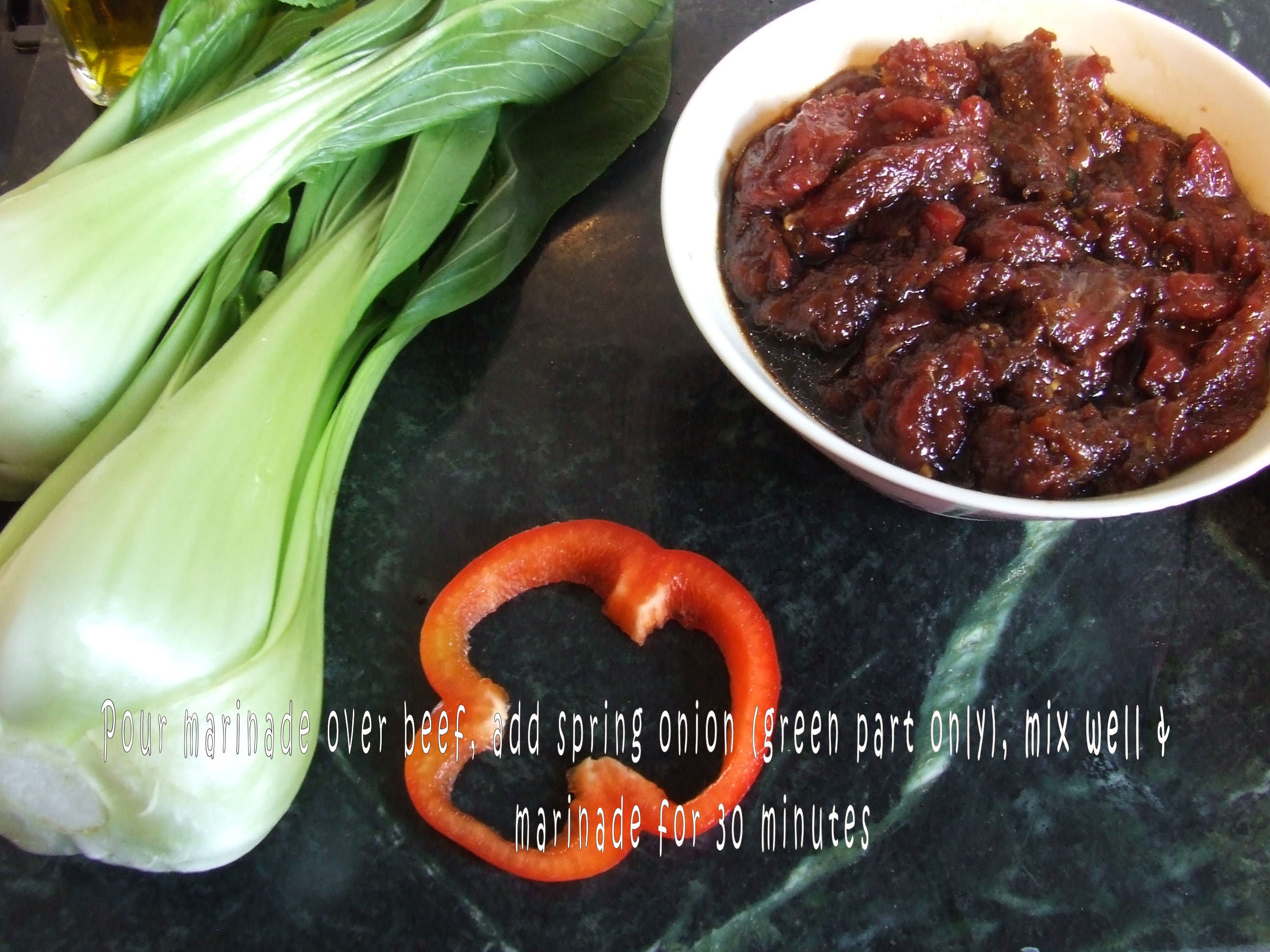
1 spring onion, green part only

1/2 tin of bamboo shoots

250g of lean beef – cut into strips.

20131103_34modMethod

Chop ginger and add to a pestle with the golden syrup and garlic infused oil, grind to form a paste

Add this to the beef and chopped spring onion pour on the Tamari, mix well and leave to marinade for at least 30 minutes.

Chop the vegetables thinly and heat a wok – I use a non stick wok so I don’t need to add any further oil to this to cook the meat.

Add the meat first and cook, then add the vegetables and keep stirring till the vegetables are cooked.

Serve with boiled rice – ensure you use freshly boiled  rice and eat whilst hot to avoid resistant starches, if this is a problem for you.

20131103_53modIf you have colitis and don’t tolerate red meat you can use chicken or fish to make this recipe. If you are experiencing diarrhoea symptoms and have been advised to have a low fibre diet, you will need to reduce the amount of vegetables in this dish, 1/2 carrot and 1/2 a skinned red pepper cut finely and cooked well will be adequate (boil for 10 minutes – boil the pepper whole for 10 minutes and the skin will peel away, before you put the vegetables into a wok) and use powdered ginger instead of ginger root to make up the recipe. Discuss the iron content of your diet with your dietitian or IBD team – do not be tempted to try iron supplements without discussing this with your doctor or dietitian, they can make symptoms worse. Low FODMAP diet is suitable if you are in remission (your inflammatory markers or CRP are normal) with your colitis and are continuing to experience symptoms, your dietitian can advise you how to use the diet, to see which foods result in symptoms.

20131103_57modFor Crohn’s to make this diet suitable for LOFFLEX you can use the modifications which have been suggested for the low fibre diet.

Please note I do not endorse any medication companies but this app tool might be useful – only use medications on advice from your healthcare professional.

Grains galore! Super? Or perhaps not……………

bread

It appears that we have some grains that are ‘super’ according to the blogosphere, now I am not necessarily a fan of super foods which are proposed to be better for you than standard foods, but it is great for people with food intolerances, allergies or autoimmune conditions to have more of a choice in grains. So an increase in the range of these foods might be a good idea. So what is the low down on these newly promoted grains compared with standard grains?

http://www.thehealthypress.blogspot.com

Freekeh (contains wheat, gluten and likely contains FODMAPs and resistant starches)

This grain is essentially toasted wheat using early harvested green grain. The grain is harvested early before it has fully ripened. This results in a higher protein content than wheat and the grain has a really nice texture and a nutty flavour it is based on durum wheat species. The grain has been produced in the middle east for some considerable time, it is an ancient grain! Therefore we are being sold a product, likely at a premium, that has been cultivated for many years. It is not the choice that anyone with a wheat allergy, wheat or gluten intolerance or people with coeliac disease should consider, therefore perhaps it isn’t as ‘super’ as you might first imagine! It is higher in protein therefore may be higher in gliadin (gluten type protein found in wheat.) It might also be higher in resistant starches, good for those people who want to have a high fibre product to improve gut transit, but certainly not a perfect choice for those with digestive problems.

Quinoa (gluten-free, wheat free and Low FODMAP)

Could this grain be the answer, a true  super grain? Actually quinoa is not a grain as such. It has all the essential amino acids (building blocks for protein) that are required for health, so it is an excellent choice for vegans to ensure that the proteins needed in the diet are consumed. It is also good for people who have coeliac disease and irritable bowel syndrome and those who have a wheat allergy (labels still need to be checked for contamination unfortunately) Getting more interested? I certainly am, however the only drawback is the expense of the flour  – a whopping £5.75 per kilo, wow. As a grain it can also be challenging to produce recipes using the product, but it does taste nice when done well. I have not yet tried cooking with the flour, I can’t get over how much it costs. If anyone can find a cheaper UK source I might be tempted to send for some and give it a try for you.

Buckwheat (gluten-free and wheat free)

Despite it’s very confusing name this grain is not a wheat grain, it is related to rhubarb. Again this grain has a similar level protein to wheat at 12% and contains 90% of the amino acids needed for health. This grain makes great pancakes but I have not had the experience of using it to cook other recipes. Buckwheat can cause allergies in its own right and single cases of anaphylaxis have been reported in literature, but it is likely a rare occurence, more prevalent in countries that use it as a staple food. It is a great choice for those with coeliac conditions and wheat allergy.

Spelt (contains wheat, contains gluten but Low FODMAP)

Again this is an ancient wheat grain containing a lower level of fermentable carbohydrate however spelt pasta is not lower in FODMAPs – just the flour. This needs to be 100% spelt and it is better to choose bread made from spelt that has been made using the sourdough process. I have cooked with spelt flour and dishes produced have a nice texture and I have not had any failures with this flour. It could be a choice for those who have problems with fermentable carbohydrates but those with wheat allergy, gluten intolerance or coeliac disease should avoid this grain. Unfortunately there is a lot of misinformation about this grain, in general by people who do not understand the requirements of the gluten-free diet. People can believe it is suitable for those with coeliac disease because it has a lower level of gluten, however it is NOT gluten-free. I am not aware of any published information on what level of gluten needs to be avoided for those with gluten intolerance, therefore this flour may need to be avoided by those people with non coeliac gluten intolerance also.

image from Wikimedia

Codex wheat (contains wheat, possibly FODMAPs but very very low gluten, therefore essentially gluten-free)

Codex wheat has been developed to replace wheat flour for people suffering from coeliac conditions, it is used in the UK by manufacturers of gluten free foods and generally for foods available on prescription, although its use in foods generally available to all is growing. The gluten content of wheat is processed by washing to remove the gluten and the wheat is then tested to ensure the content of gluten does not exceed guidelines. The benefit of codex wheat is that the texture of foods using the flour is a close approximation to those of normal wheat and therefore palatability is improved. It could contain fermentable carbohydrates, although what effect the washing process has on fermentable carbohydrates is not known for all available supply, the amount of fructans it contains depends on the type & processing of the bread, so it might not be a good choice for those with fructans intolerance. A recent research report by Whelan (2011) tested the fructans content of codex wheat and found variable amounts. It does contain wheat therefore it is not suitable for those who have wheat allergy.

Teff

Teff is an ancient Ethiopian grain that is gluten-free. It is widely used in gluten-free flour mixes and is a good choice, contains  13% protein and again an excellent amino acid profile, containing all the essential amino acids. The fructans and fodmap content of Teff is not known, but it is generally used in flour blends and gluten-free breads are generally tolerated by most people following the Low FODMAP diet although it has not be tested for FODMAP content.

Tricale

Tricale is a mixture or hybrid of wheat and rye grain. It is therefore not suitable for people with coeliac disease. The amount of fructans it contains is unknown, therefore it’s suitability for the low fodmap diet is unknown, however rye has high levels of fructans so it is probably best to avoid this grain. A Wiki article suggests the protein content is higher than wheat but the glutenin content is lower, but this does not mean it is suitable for use for those who have problems with wheat.

Kamut

Similar to Freekah, this is a middle eastern ancient grain, it’s true name is Khorasan, Kamut is a brand name. The grain manufacturers website suggests that this grain is high in selenium, this depends very much on the soil the grain is grown in. It contains wheat and gluten. It has a protein range of 12-18%. The companies nutritional analysis data can be found here:

Kamut nutritional information

Again fructans content is not available for this grain.

Updated 22.11.14