Monash advises on the suitability of ‘superfoods’ for the Low Fodmap diet and de-bunks the myth

If you have followed my blog for some time you are probably aware of my views on super foods – if not check out one of my previous posts on the superfood called carrots – yes really! The blog has an old reference to David Cameron’s pasty saga though, which you might not be aware of, as the post was written some time ago!

https://clinicalalimentary.wordpress.com/2012/08/17/orange-superfood-cheap-and-not-too-hard-on-the-digestive-tract-the-carrot-yes-seriously/

The carrot has the added advantage that it is low fodmap too, so don’t believe all the superfood hype. The best fact is though that carrots are cheap – superfoods attract a super high price, the best tip however is to have a good variety of foods in your diet. You don’t need to include these super foods to be healthy. But what if you want to include coconut water, kale and chia seeds in your Low Fodmap Diet? The Monash blog has a really good post about de-bunking the myth behind super foods and gives advice on the fodmap content of those foods. You should check out this blog.

http://fodmapmonash.blogspot.co.uk/2015/03/debunking-myth-behind-superfoods.html
DSCF1279 (2)

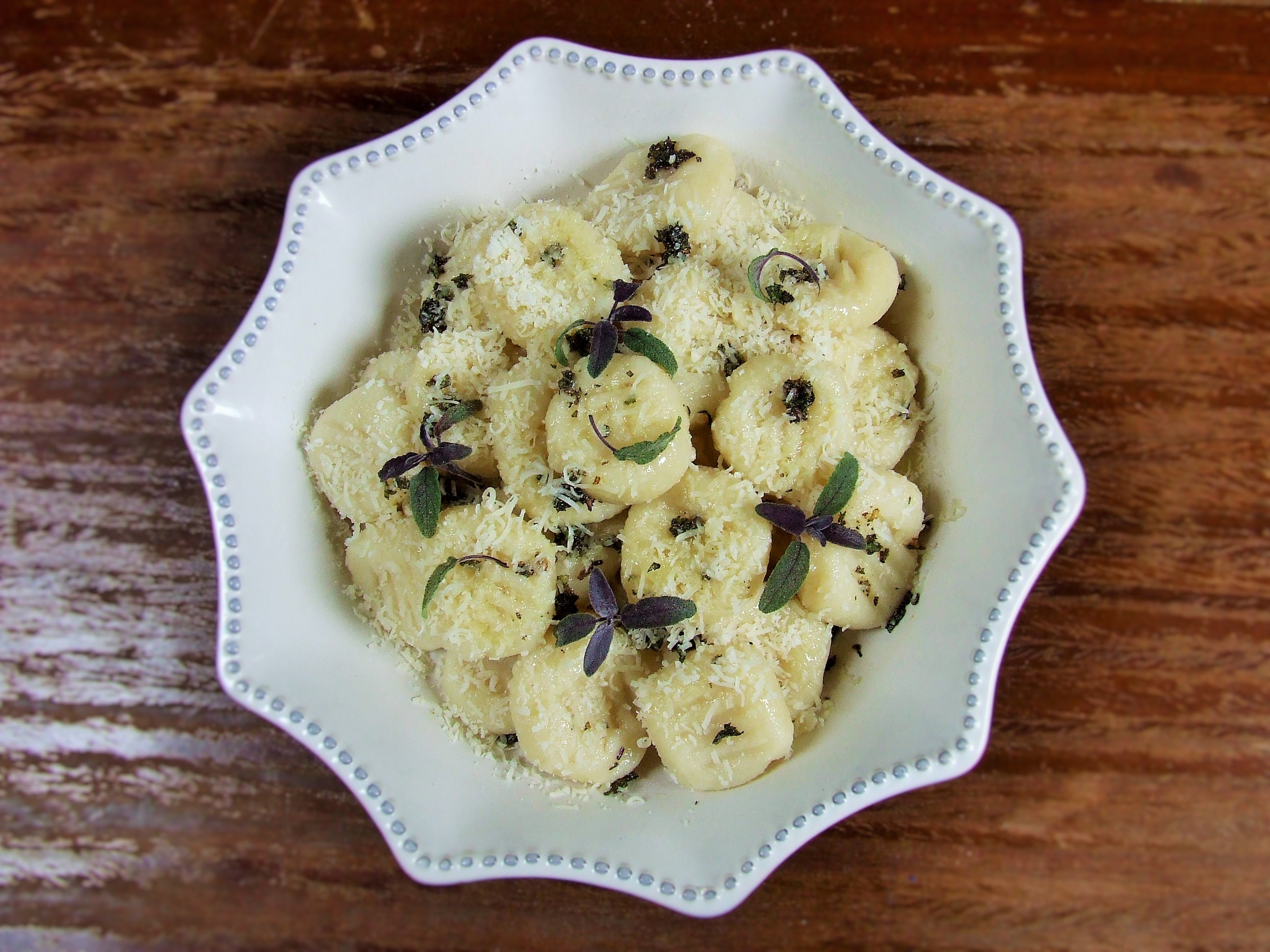
Purple sage & parsnip gnocchi

Today the weather has been grim again so I am stuck in the house being creative, or perhaps you should decide if I am! I adore parsnips, they are a tasty root vegetable that is not too hard on the digestive system. It is getting towards autumn now so a nice recipe using parsnips in place of potato sounds an interesting idea. Not that I have anything against potatoes or I not that I reckon parsnips are some kind of ‘super root’ – if you have been following my blog for some time you will know my views on this 😉

DSCF2229 (4)

Ingredients

500g of parsnips

80g of gluten free flour

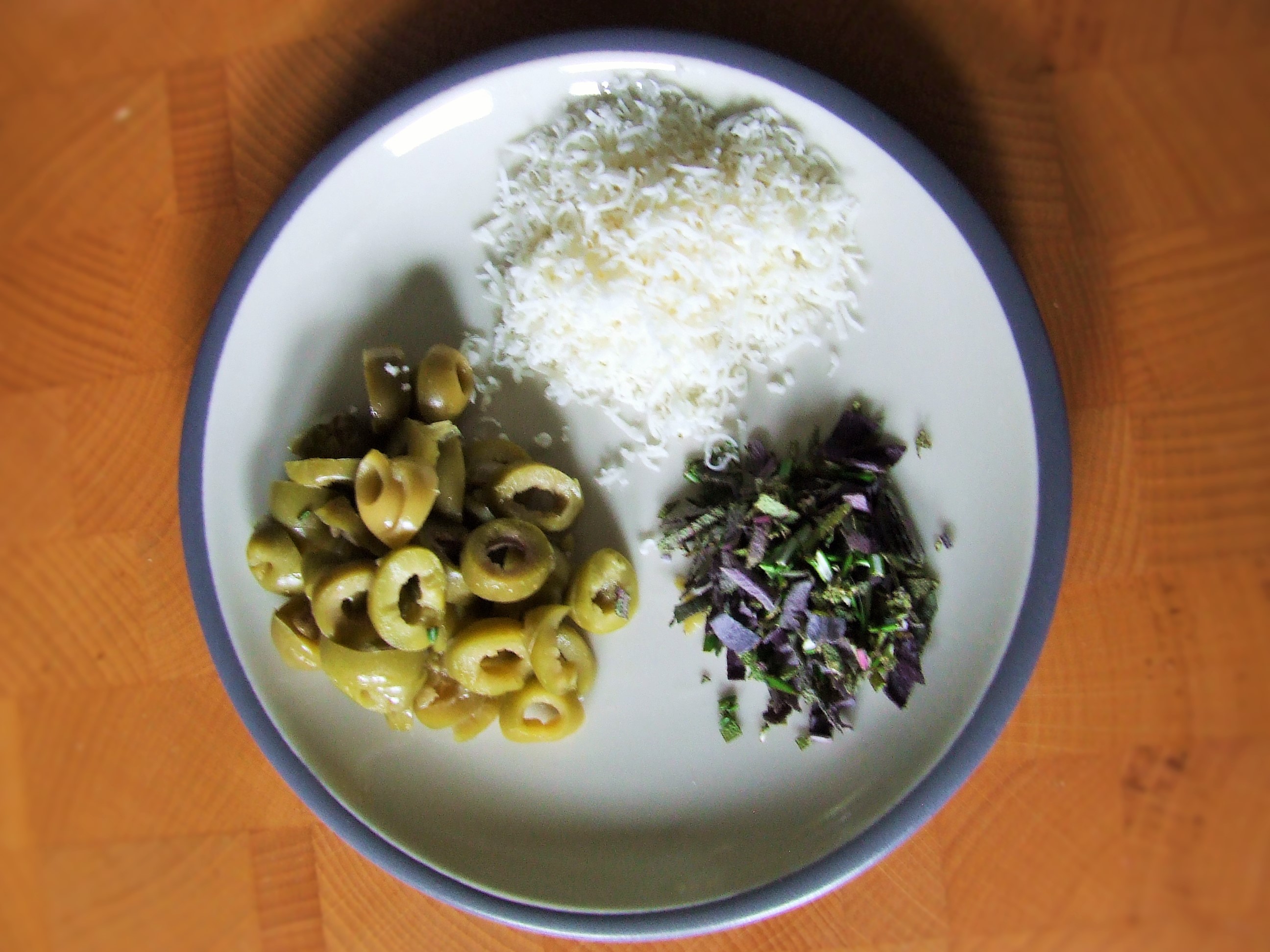
20g of Parmesan cheese

2g purple sage leaves (you can use ordinary sage if you wish)

Salt and pepper

1 tablespoon of garlic infused olive oil

a sprinkling of asafoetida

Method

wash, peel and boil the parsnips until they are quite soft in salted water

mash them well

whilst still warm add the gluten free flour and mix well

empty the mix on to a floured surface, split into four equal amounts

roll each into a sausage shape and cut into disks evenly

roll each disk into a ball then squash flat with a fork

Boil a pan of water and add a few gnocchi at a time they will float when they are cooked

remove them from the water and drain.

using the olive oil fry the sage and asafoetida and mix with the gnocchi

add grated Parmesan to serve

DSCF2237 (3)

the gnocchi can be served as they are if you are vegetarian or they will taste great with meat, chicken or fish too!

If you follow a vegan diet then you should use a dairy free Parmesan alternative.

DSCF2230 (3)

I hope you like them – the recipe serves two for a main dish, it is also possible to use them as a side dish serving 4. If you are following the Low Fodmap Diet parsnips are low fodmap – have a small portion. I am seriously wishing the weather to improve a little – it is much to early for wintry weather to be a feature but of course being situated in the middle of the Pennines this is a distinct possibility. Although I don’t want to end on a negative note so enjoy the recipe and I will blog again soon from happy valley!

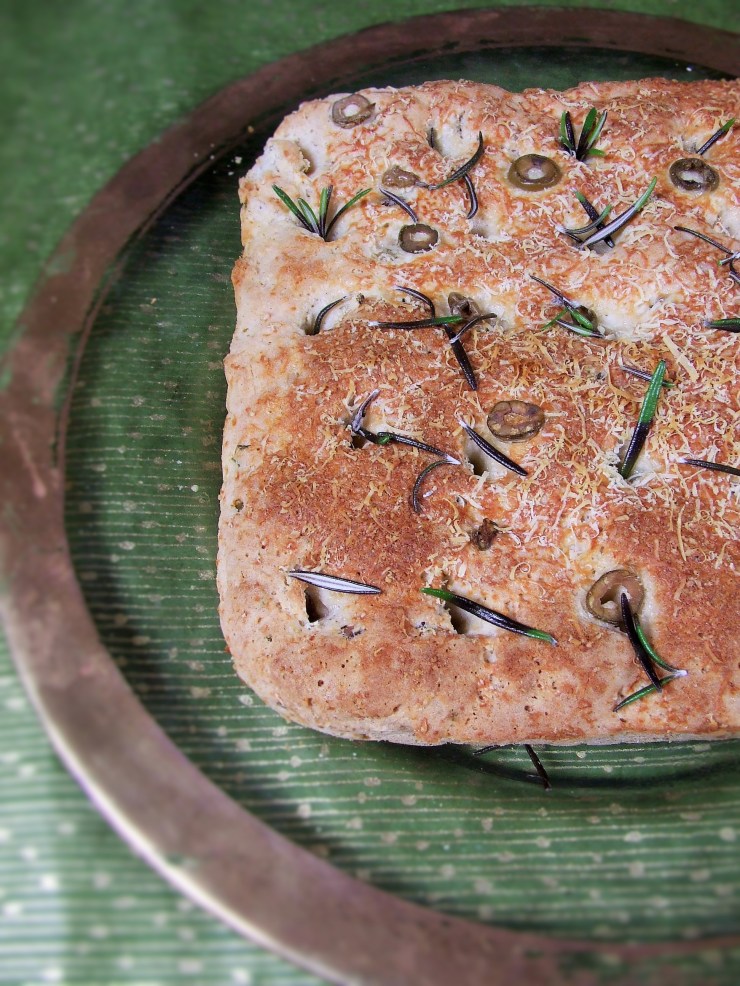
Gluten free, low lactose rosemary and olive bread

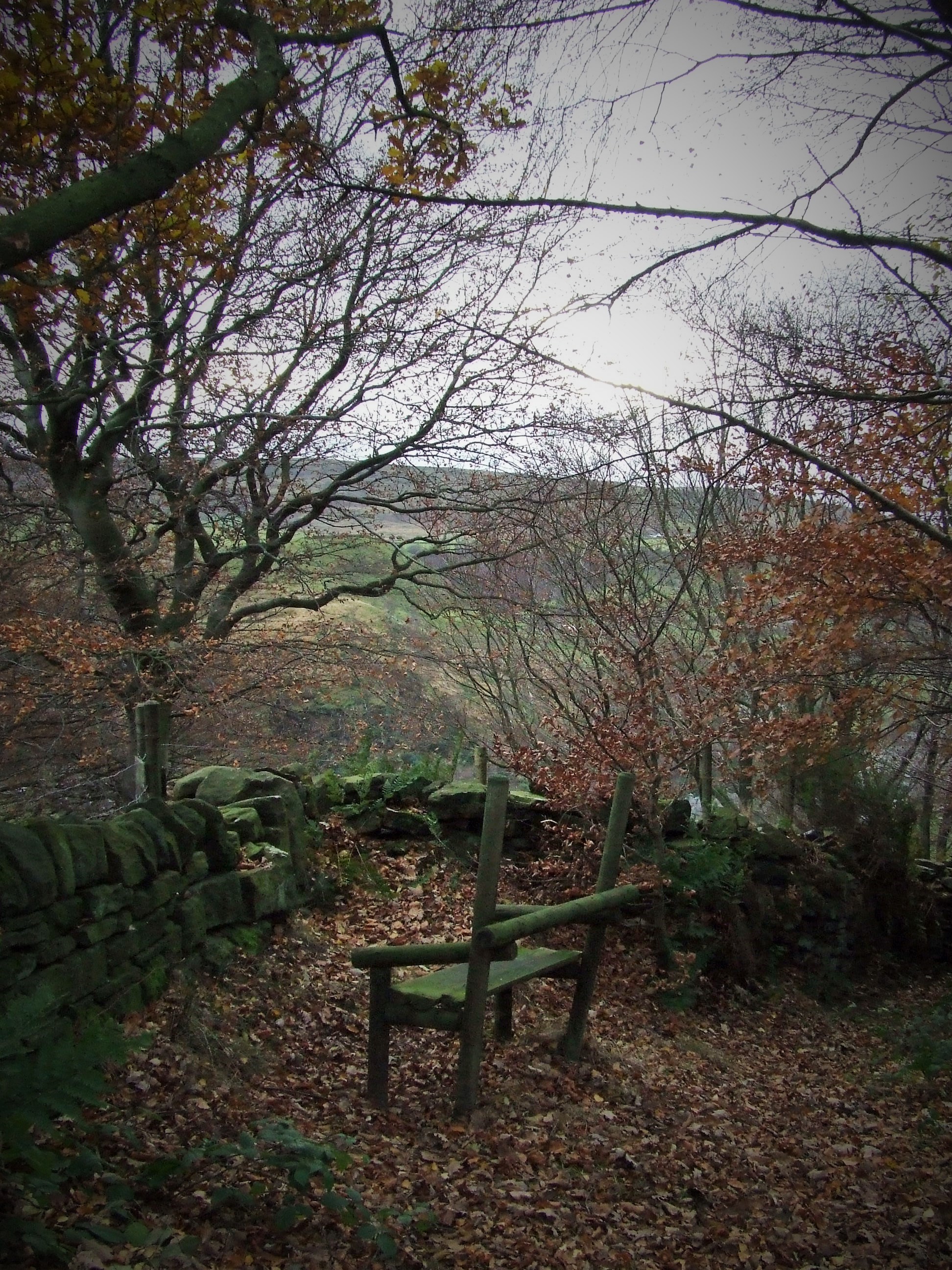
The seat in the wood has intrigued me since I stumbled across it, looks home made, old – it has certainly seen its fare share of winters, I guess. It doesn’t overlook a repose worthy view and the valley’s features are obscured by the wall when seated, but is certainly a welcome resting place from the steep climb of the valley side. A haunting melancholy spot in an old oak forest – to come home to a meal of rosemary and olive bread is certainly what’s needed to cheer up the spirit after today’s walk! Check out the recipe below.

DSCF1076 (2)

Ingredients

450g gluten free self raising flour

1 teaspoon of xanthan gum

3 tablespoons of olive oil

15 green olives

salt

350 mls of lactose free milk

5g of rosemary leaves

Spray olive oil

2 eggs

50g of Parmesan cheese

DSCF2242 (2)

Method

Wash your hands

Measure out the lactose free milk, add eggs and olive oil mix well, add salt to season.

Weigh out the gluten free flour and add the xanthan gum, and mix well.

Grate the Parmesan cheese and add 2/3 to the flour leaving the remainder to sprinkle on the finished bread.

Chop the rosemary finely and add to the flour.

Slice the olives and add 2/3 to the flour leaving the remainder to decorate the top of the bread mix before cooking.

Mix the Parmesan and olives into the flour, make a well in the centre of the flour mix and add the liquid ingredients.

Incorporate the liquid into the flour till everything is blended in.

The finished mix has a slightly sticky texture.

Oil a tray well and add the mix, wet your hands and smooth the surface and add a thumb print in lines down the bread as a decoration.

Spray the surface of the mix with olive oil

Add the remaining olives and cheese.

Cook for 40 minutes or until a skewer inserted into the bread comes out clean at gas mark 6 or 220 degree centigrade.

Serves 8-10

For a low fodmap diet xanthan gum is possibly fermentable but is in the bread in very low levels (less than 0.5%) so most people should be OK to have a portion.

Prunes – natures laxative.

“I hope my tongue in prune juice smothers, If I belittle dogs and mothers”

Ogden Nash

ogden_nash-200
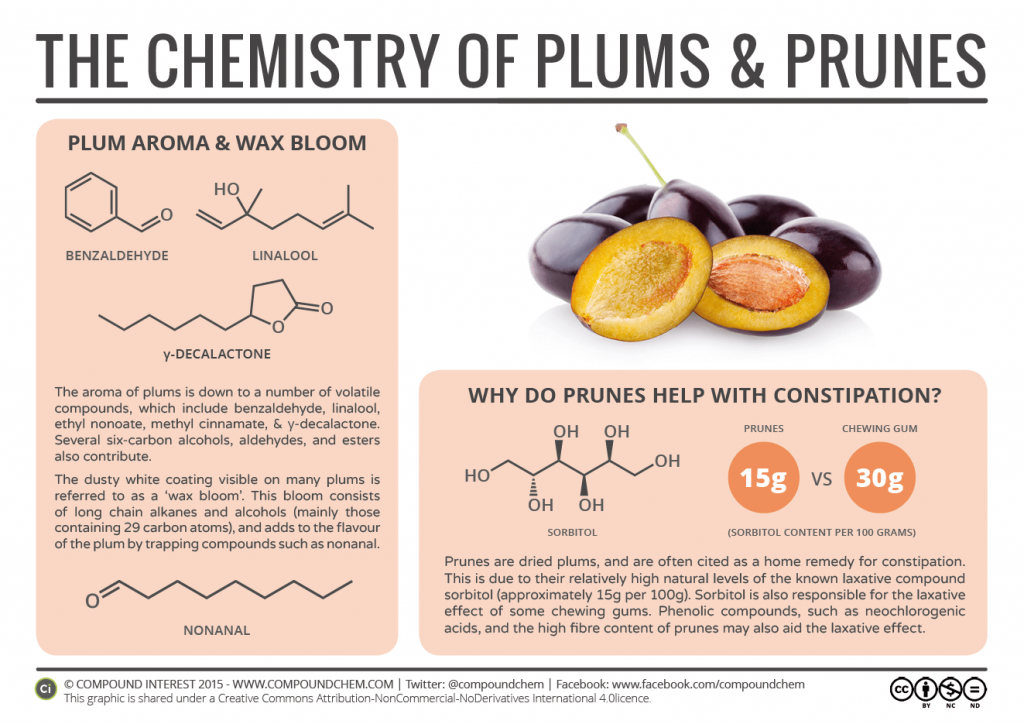
Ogden Nash was an American poet who suffered from crohn’s disease according to Wikipedia, his unfortunate demise was after a lactobacillus infection after eating poorly prepared coleslaw as the Wikipedia site states. Interesting quote about prune juice, do you get the feeling he detested prunes? Prunes might have resulted in symptoms for him – depending on his crohn’s disease. I can only speculate, but what do these dried fruits do for us? Should we in fact include them in our diet? The following post by Compound Interest explains the chemistry behind the prune – or dried plum.

http://www.compoundchem.com/2015/09/01/plums-prunes/

Prunes do in fact improve constipation – but for some people at a cost – the reason they do is down, in part to the large amount of sorbitol and fructans they contain, these FODMAPs or fermentable sugars draw fluid into the small bowel and rapidly ferments in the large bowel. Sorbitol is also found in sugar free mints and gum – often a warning is given on these to avoid eating too much as a laxative effect may be the result. Not great if you have IBS and bloating and are intolerant to sorbitol. Prunes could also result in symptoms for people with active crohn’s disease too – perhaps that is the reason they are suggested by Nash to be a treatment to instill an avoidance of denigrating your mother! Or alternatively it might be just down to taste or personal preference. But to help constipation if you don’t suffer from IBS, bloating and excessive wind – they are worth a try – introduce them in your diet slowly so your bowel adjusts to the extra fibre they contain. These sugars can also have a pre-biotic (food for bacteria) action, so it is worth including some in your diet if you tolerate their effects!

The-Chemistry-of-Plums-Prunes-1024x724

Sprouts – love them or hate them?

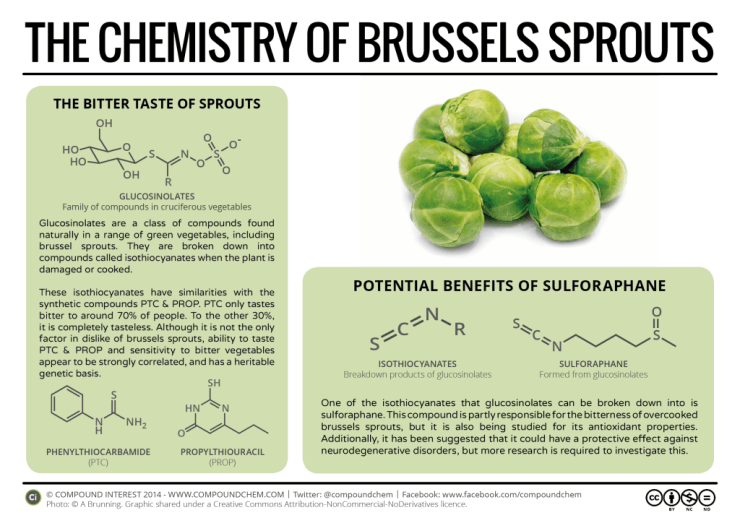
What do you think of Brussel sprouts? Like them or loath them? According to Compound interest website they are a real marmite vegetable, a gassy fodmap food but some people really love them! Check out the link below to learn more about the chemistry of the much maligned vegetable from the excellent chemistry website Compound Interest.

http://www.compoundchem.com/2014/12/04/brusselssprouts/

Sprouts also contain fructans which is responsible for the propensity of Brussel sprouts to be fermented by the gut microbiota, small amounts can be tolerated but don’t go over the top with your portion if you suffer from IBS and are following the low fodmap diet or are intolerant of fructans!

Low Fodmap, Gluten free, low lactose pancakes

DSCF1831 (2)

According to Wikipedia’s reference for Shrove Tuesday pancakes represent the sun in pagan mythology and eating them gave power, light and warmth of the sun. Pancakes were also a way of using up rich food before the fasting of lent in the Christian religion. Either way these delightful disks are a treat with sweet or savoury fillings and I like the association with the life giving sun when it has been so cold recently. Enjoy….

Ingredients

3 large eggs

50 mls Lactose free milk

100g of wheat free, gluten free flour

Pinch of salt

Spray oil

Method

Weight out the flour into a mixing bowl and add the eggs and a small pinch of salt.

Mix well and add enough milk to make a thin batter that coats the back of a spoon.

Pour the batter into a measuring jug.

Heat the frying pan and spray some oil – pour in enough batter to thinly coat the bottom of the pan and move the pan till the batter is even and pour off the excess back into the measuring jug.

Cook for 30 seconds maximum till dry and and flip over the pancake to cook the other side.

Serve warm with lemon juice and sugar (traditional way) or anything that takes your fancy!


This slideshow requires JavaScript.