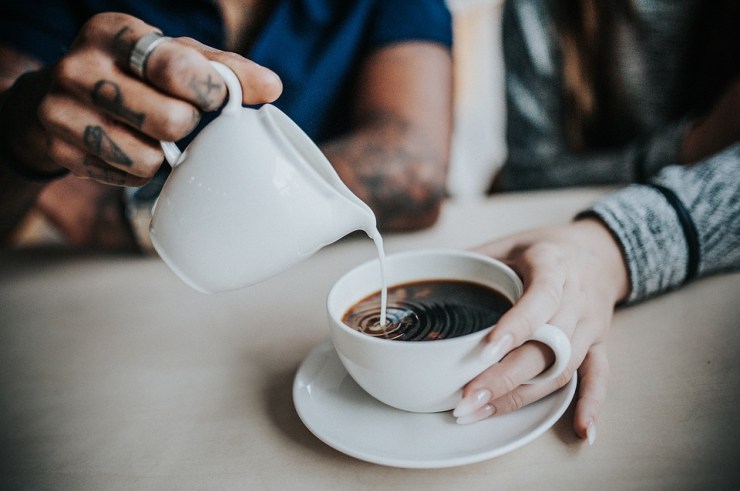
Coffee, caffeine and the complexities of digestion.

Struggling with sleep? Constantly wired? Have to dash to the toilet immediately after drinking your morning brew?

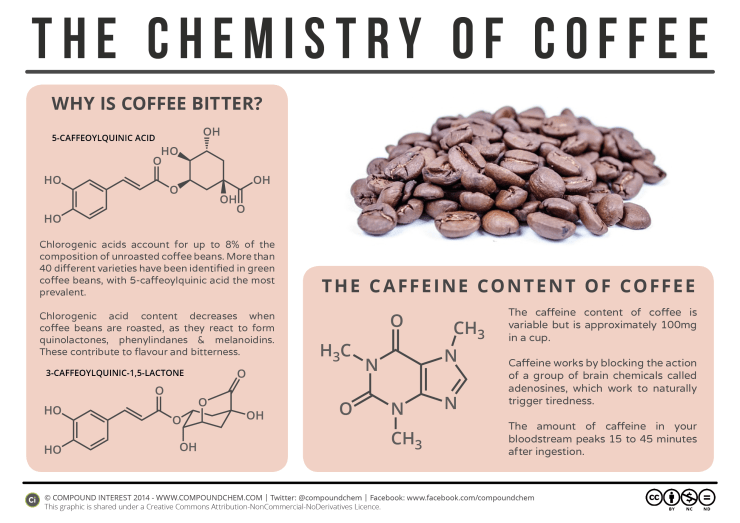
It’s possible that coffee is causing these symptoms. The caffeine contained in coffee is a gastrointestinal stimulant, this means caffeine increases the contractions that move the contents through the bowel, risking diarrhoea and urgency. For those with slower bowels (constipation) caffeine containing food and drinks may help you to go to the toilet, but caffeine does have other effects that should be considered.  For those with alternating symptoms it is worth tracking you caffeine intake through the day – you may find that intake might be the cause of problems. Black coffee is not a fodmap containing drink – but it can cause symptoms of IBS – so it is an important dietary factor to consider.

Many people with an overly sensitive digestive tract will experience symptoms with food and drinks high in caffeine, due to these exaggerated reflexes that occur with IBS. Older research suggests that for some people coffee can stimulate bowel function within 4 minutes of drinking it. This cannot possibly be a direct affect of coffee traveling through the bowel – but suggests that a pharmacological (drug like) affect or perhaps due to hormone stimulation?

Production of the hormone gastrin by the stomach is stimulated by coffee, which results in increased movement of the digestive system by the gastrocolic reflex (an involuntary and nearly instantaneous movement in response to a stimulus.) This reflex in some people is caused by the act of drinking coffee (the stimulus) and results in the bowels emptying to ‘make room’ for the next meal. This reflex can often be exaggerated in people who have problems with their bowels.

Coffee has a low osmolality of 58 osmol/Kg – meaning that drinking it black with no sugar can affect how quickly fluids pass from the digestive tract into the body – low osmolality drinks can result in fluids being absorbed more quickly. Drinking coffee with a meal could reduce these effects and so can adding milk/sugar (but sugar is not great for health) – so, having a breakfast of a cup of black coffee or a strong shot of espresso to kick start the day might not be too helpful for those with IBS.

Caffeine also has systemic effects on the body it is a bio-active compound – in other words – it can result in other symptoms in the body that might have consequences for people with IBS. IBS is also systemic condition, symptoms are not just confined to the digestive tract – see here for a comprehensive list of other symptoms https://www.theibsnetwork.org/have-i-got-ibs/what-is-ibs/. Not everyone has the experience of the stimulation of the nervous system as a result of large intakes of caffeine. If you are affected however caffeine can exert the following effects – increases in perception of alertness and wakefulness, palpitations, high blood pressure, insomnia, headaches and sometimes anxiety depending on individual tolerance.

Is it just the caffeine that is responsible in coffee for causing symptoms? Coffee contains many different compounds and whilst caffeine is responsible for some systemic effects there is little evidence that de-caffeinated coffee has and affects on the bowel – but some anecdotal evidence suggests that it might.

Coffee and the bladder

Some people also have bladder problems with IBS – urinary urgency and frequency can be affected by caffeine containing drinks. This is because they can relax the muscles in the pelvic floor.

Coffee, caffeine and sleep.

Health advice for sleep hygiene suggests that drinks containing caffeine should be limited a few hours before bed to avoid insomnia https://www.nhs.uk/conditions/insomnia/self-help/ Poor sleep is also associated with IBS with up to 74% of people with IBS stating that sleep is a problem and insomnia can increase levels of pain and perception of pain the next day. It is worth trying to incorporate some aspects of sleep hygiene into your treatment, if this is a problem for you.

Where else is caffeine found?

It can be very easy to have a large amount of caffeine, as it is found in a number of different foods and drinks – here is a table taken from our book IBS -Dietary advice to calm your gut available here http://amzn.to/2yBk3u7:

Food Approximate caffeine content
Coffee expresso (small cup) 200 mg
Coffee filter (1 cup) 140 mg
Coffee instant (1 cup) 100 mg
Energy drinks (250ml) 80 mg
Tea (1 cup) 75 mg
Cola (330 ml can) 25 mg
Chocolate (dark 25g) 20 mg
Chocolate (milk 25g)* 10 mg

*Also contains lactose and fats, which can also induce symptoms.

Caffeine can also be found in medications – discuss with your doctor or pharmacist if you wish to cut down or change medications.

How do I reduce my intake?

Because coffee is a bioactive compound immediately stopping drinking it can cause symptoms in susceptible people. Symptoms of withdrawal start 12-24 hours after abstinence and can last for 2-9 days. Symptoms are headache, fatigue, depression, difficulty concentrating, irritability and ‘brain fog ‘.

So DO NOT be tempted to go cold turkey, if you are considering cutting down on your intake. Cutting down gradually is helpful for withdrawal effects, slow changes can also help with maintaining the changes you have made.

Try reducing your intake by half a cup a day over a seven day period. Ensure you have other fluids available to drink – water or squash for example, to keep hydrated. You could use decaf tea/coffee if you wish but this might be a problem for some people perhaps.

Don’t be tempted to use coffee weaning products – they are expensive and have no evidence that they work.

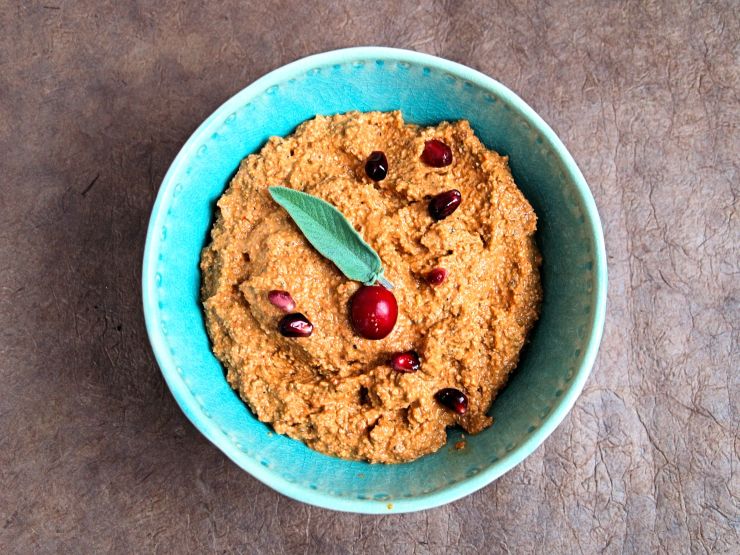
Vegan Pate – Christmas starter Low Fodmap

This is a spiced vegan pate starter – a really nice way to begin Christmas lunch. It has lots of seasonal flavours to remind you of the traditional Christmas. Being very easy to make it will take no time at all for you to prepare. Entertaining guests can be challenging so this dish can be prepared in advance and refrigerated till the 25th or perhaps used as a nice supper dish on the 24th if you prefer.

OLYMPUS DIGITAL CAMERA

Ingredients

100g pecan nuts

1/2 preserved lemon

1/2 teaspoon of cinnamon

1/2 teaspoon of mixed spice

1 teaspoon of oil

4-5 sage leaves

150g roasted peppers (you can purchase these ready prepared from most supermarkets)

100g gluten-free breadcrumbs

season to taste

OLYMPUS DIGITAL CAMERA

Method

Cover the pecan nuts with boiling water and leave to soak for a few hours till soft .

Add the oil to a pan and fry the spice a little to release the flavour.

Then add all the ingredients to a food processor and blend well.

Serve with toasted gluten free bread

Serves 4-5

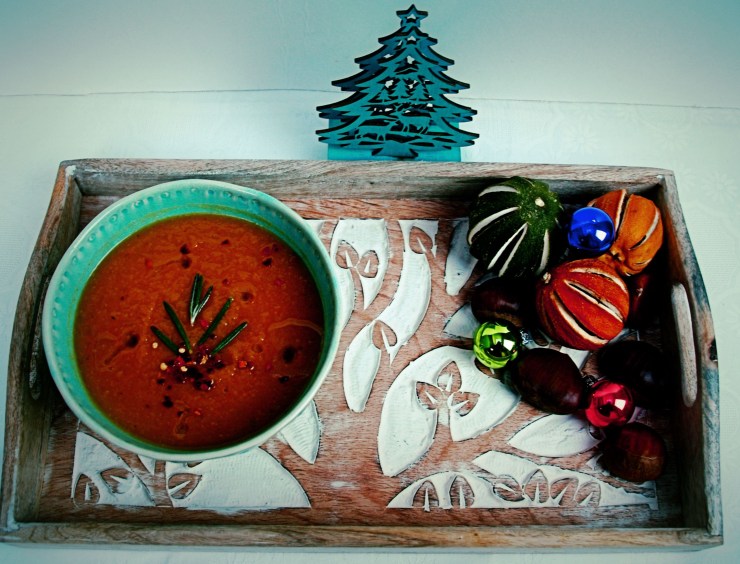
Chestnut, carrot & celeriac soup – low fodmap Christmas recipes

Having guests around for Christmas lunch and wondering what to serve for a starter? This recipe is a tasty soup, suitable for vegan low fodmappers and has Christmas flavours with mixed spice. I have been using my copy of the flavour thesaurus by Niki Segnit, a gift for my birthday, and this marries chestnuts with carrot, celery (celeriac is a low fodmap food with a similar flavour to celery – a good substitution) carrot and rosemary and yes, this really works. It is a slightly sweet, winter roots flavour with a light addition of spices. Your guests will never know you have a low fodmap starter for them that is really easy to make and really tasty!

OLYMPUS DIGITAL CAMERA

Ingredients

200g celeriac

500g carrots

200g cooked chestnuts

1/4 teaspoon of mixed spice

10 g rosemary

Drizzle of hazelnut oil

Some chilli flakes (if tolerated)

Seasoning

OLYMPUS DIGITAL CAMERA

Method

Chop the vegetables

Add all ingredients to a pan

Add water to just cover the vegetables

Season to taste

Puree

Serve, drizzle with hazelnut oil and chilli flakes!

serves 6


Chocolate coated peppermint snow peaks – low fodmap Christmas recipes

Just the ticket for giving out to friends who come caroling.


OLYMPUS DIGITAL CAMERA

Ingredients

4 egg whites

200g castor sugar

Pinch of cream of tartar

400g of mint dark chocolate

3-4 drops of peppermint flavouring.

Method

Add the egg whites to a bowl and add the peppermint, cream of tartar and whisk, when they are forming peaks add half the castor sugar and whisk till they form stiff peaks.

Add the rest of the castor sugar, mix and then spoon out into a Teflon baking sheet.

Cook for 1 1/2 hours at gas mark 1/4 or 107  degrees C

Cool

Melt the chocolate and cover the surface of the meringue and allow to set.

Makes around 12.

Jeweled Koshari – low fodmap

Koshari is a dish served in Egypt and usually has plenty of fried onions on the top and pulses mixed in the rice/pasta blend and added as a topping. Obviously the onion is a no-go for low fodmap diets, but the chickpeas? This could be used in small portions as long as the chickpeas are canned and have been rinsed well. No more than 2 tablespoons should be used per portion and this is tolerated well and will contribute slightly to the fibre and protein content of the dish. Also Koshari is served with a spicy tomato based sauce, which can also be low fodmap modified – see future posts for the topping. This does taste good without though although a little non traditional perhaps and a totally vegan carbohydrate to add to a meal with sources of protein such as a small handful per portion of low fodmap suitable nuts (walnuts, pecans, Brazil nuts, pine nuts for example) or firm tofu pieces.

OLYMPUS DIGITAL CAMERA

Ingredients

150g of white rice

50g of Camargue red rice

50g gluten free pasta

100g of celeriac

1 parsnip

1 heaped teaspoon of Lebanese seven spice (available from Marks & Spencer and low fodmap)

Chopped tarragon and thyme

2 tablespoons of olive oil

Chopped stalks of rainbow chard (the leaves can be cooked separately and served alongside the dish)

seasoning

OLYMPUS DIGITAL CAMERA

Method

Cook the carbohydrates in boiling water add a little salt and drain.

Whilst the rice/gluten free pasta is cooking chop the vegetable ingredients finely.

Add the olive oil to a pan and fry the spices to release the flavour and add the chard, celeriac and parsnip to the pan and coat well with the oil then roast in an oven till cooked.

Combine the ingredients and top with freshly chopped herbs.

Serves 5

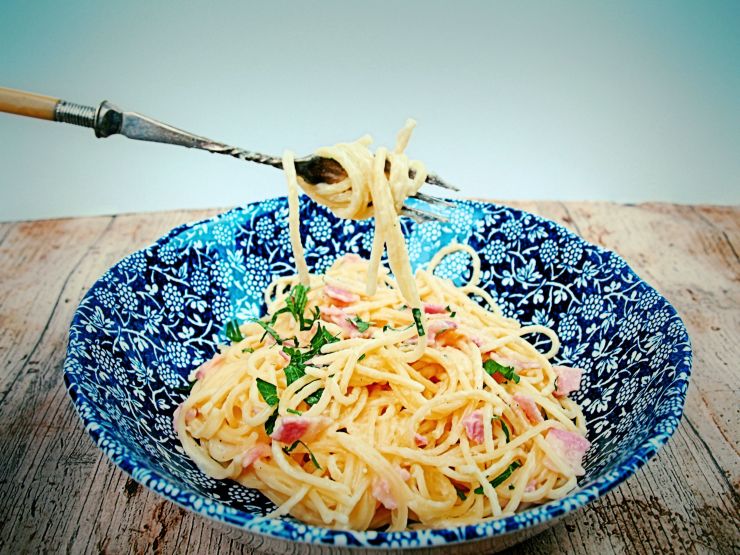
Spaghetti Cabonara -low fodmap

Whilst reading the Guardian newspaper recipe booklet this weekend I decided to have a go at one of the recipes in the pasta special and reduce the parmesan and low fodmap modify it. OK – this recipe scared me, adding egg to freshly cooked pasta – surely a recipe for scrambled egg, right? This is a classic Italian dish and no cream in sight and is a rich dish that is suitable for a low fodmap diet. It is easier to make than I first anticipated and much to my surprise, no scrambled egg in sight. This is a really creamy dish without adding cream and a tasty supper for chilli winter evenings.

I used bacon rather than pancetta as it is slightly leaner and 2/3 of the parmesan. Sometimes pecorino cheese is used instead – it really doesn’t matter. Having bacon occasionally is fine – I can’t actually remember the last time I did eat bacon, but obviously not a choice that should be included in your diet regularly and certainly not every day. This recipe was so easy but it could be included in an Italian themed dinner party or a relaxed meal with friends – it doesn’t take much effort at all – so give it a try.

OLYMPUS DIGITAL CAMERA

Ingredients

4 egg yolks

6 rashers of lean bacon

60g parmesan

400g of gluten free spaghetti

2 tablespoons of olive oil

Freshly ground black pepper

OLYMPUS DIGITAL CAMERA

Method

Bring a pan of water to the boil and cook the spaghetti according to the instructions on the packet – make sure that you follow the instructions carefully as this is the key to cooking the perfect gluten free pasta.

Whilst the water is boiling separate 4 egg yolks from the white (you can use the egg white to make meringue later) and beat.

Grate the parmesan

Add the olive oil to a pan and fry the bacon.

Drain the water from the pasta sauce saving a cup full.

Add the pasta to the bacon, off the heat and ensure the pasta is coated with the oil.

Add the eggs and cheese to the pasta with some of the pasta water and stir well till combined. The heat of the pasta will cook the sauce.

Add some freshly ground black pepper before serving and serve on warmed plates.

That’s it – serves 4.