Vegetable Pasta – gluten free, Low FODMAP

DSCF1562mod

This recipe is a light roasted vegetable pasta sauce for use with gluten-free pasta. It is a great recipe for a warm summers day to eat alfresco.

Ingredients

1 tablespoon of garlic flavoured olive oil

1 teaspoon of cinnamon

1/2 lemon

1/2 aubergine

1 courgette

2 orange peppers

100 g black olives

Grated parmesan (vegetarian or vegan)

Method

Mix the oil, cinnamon and juice from the lemon and season with salt and pepper.

Chop the courgette and aubergine and then roast.

Roast the peppers separately, remove skin and blend till smooth

Add the roasted vegetables to the peppers and chop, add the olives.

Add to cooked warm gluten-free pasta and serve.

Sprinkle with parmesan cheese.

Updated 22.11.14


This slideshow requires JavaScript.


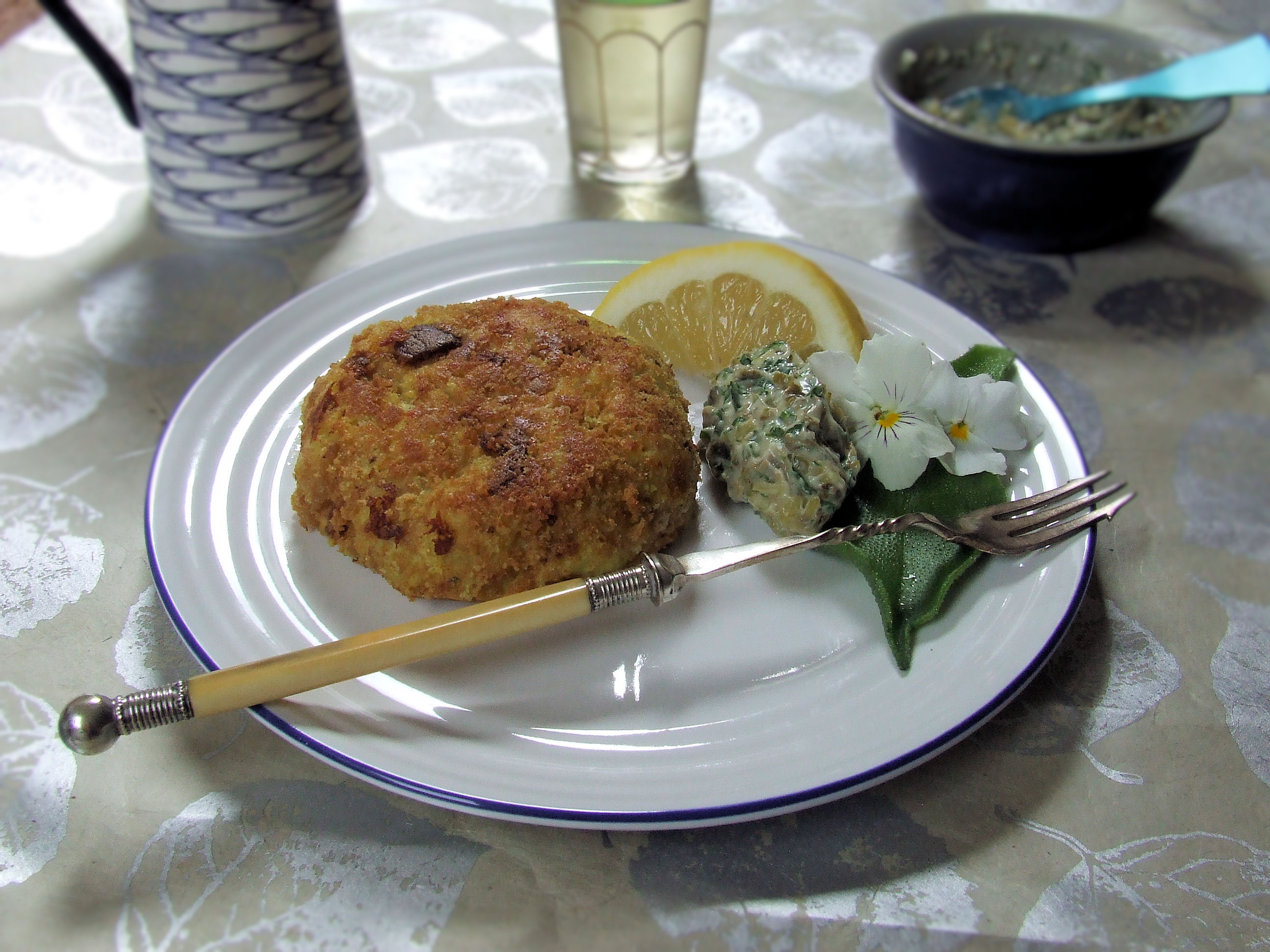
Low FODMAP fishcakes

fish fridayIngredients

1) Tartar Sauce

50 g Gherkin (check ingredients for Fodmaps)

2 teaspoons of capers

3 tablespoons low-fat mayonnaise

5 g flat leaf parsley

2) 300 g white fish

650 g new potatoes

9 g fresh turmeric

2 teaspoons of cumin

1 tablespoon garlic flavoured oil

2 eggs

150 g of wheat free breadcrumbs

DSCF1527mod

Method

Tartar sauce

Chop gherkins, capers and parsley and mix with mayonnaise, salt and pepper to taste.

Mix and chill.

Fish cakes

Peel half of the potatoes and leave the others with peel on to add more fibre.

Boil in salted water till soft, mash with pepper.

Peel and chop turmeric and cook in the garlic flavoured oil with cumin.

Add the chopped fish, cook very lightly.

Combine fish and potato – mix gently to ensure large pieces of fish remain

Using a ring fill with fish and potato mix.

Beat the egg.

Coat each fish cake in egg then roll in breadcrumbs.

Lightly fry with spray oil and then finish cooking in the oven.

Serve.


Who said you can’t have a fun free from Easter?

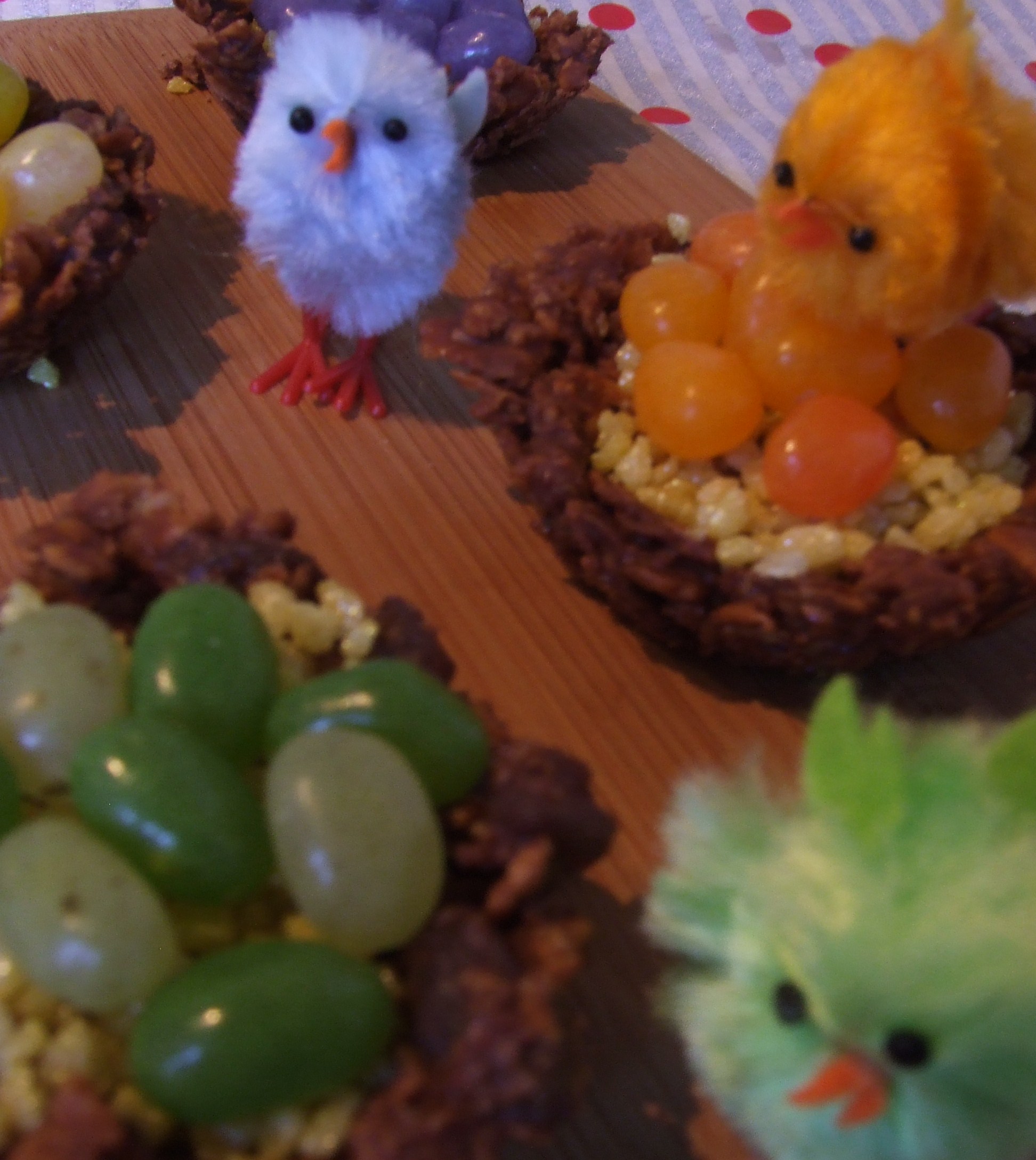
DSCF1315aThese are dairy free, wheat free, gluten-free easter nests just the job if you have to avoid dairy and want to have at least a small amount of chocolate.

Ingredients

100g milk free chocolate

60g of gluten-free corn flakes

30g sultanas

Gluten wheat & milk free yellow sprinkles

Gluten, milk and wheat free jelly beans

A few kitsch chicks!

Method

Weigh out the cornflakes and sultanas into a bowl.

Crush the cornflakes a little.

Melt the chocolate in a bowl over hot water.

Add to the cornflakes ans sultanas and mix till coated thoroughly.

Put the mix into a bun tin and flatten the middle to make a nest.

Place in the fridge to set then sprinkle the middle with sprinkles and add some jelly bean ‘eggs’.

Have a happy easter! 🙂


Saffron Simnel Cake

Saffron Simnel Cake

This recipe can also be downloaded from the IBS Network website

http://www.theibsnetwork.org/what-we-offer/recipes/

It is a different take on the traditional Simnel cake – without marzipan as this might provoke symptoms if you have IBS. A small slice of this is nice to have on Easter Sunday, many people may find that Easter eggs are too much to tolerate, particularly if you suffer from lactose intolerance. Saffron can be excluded if you don’t like the taste.

Ingredients

240g of self-raising wheat free/gluten-free flour
1 flat tsp of cinnamon
1 flat tsp ginger
2 tbsp ginger syrup
4 eggs
200g of milk free margarine
Large pinch of saffron
150g of golden castor sugar

Method
Pour approximately 1 tablespoon of boiling water on to the saffron and set aside to cool.
Weigh all other ingredients into a mixing bowl, add saffron and liquid mix, mix well.
Place in a paper lined seven-inch baking tin and bake at gas mark 6 220ºC for 45 minutes – 1 hour until a cake skewer comes out clean, when inserted into the centre of the cake.
Decorate.

DSCF1294modOther posts that you might find useful at Easter:

https://clinicalalimentary.wordpress.com/2014/04/17/easter-hot-cross-buns/

https://clinicalalimentary.wordpress.com/2013/03/31/easter-meal-roast-spring-lamb/

If you can tolerate marzipan you might want to try this recipe instead

https://clinicalalimentary.wordpress.com/2013/03/30/easter-with-food-intolerance/

Another AGM and slaw salad

I am preparing for another IBS Network AGM tomorrow, I can’t believe its three years since I attended the first one – we have achieved lots of things since then, the Self Care Plan and now free access to all, new website, two Wellbeing days and lots of meetings. Now for the next 12 months!

Slaw salad
½ courgette
1 carrot
1 bag of rocket
1 bag of radish
2 tablespoons of light mayonnaise
3 dessert spoons of pine nuts
Salt & pepper

Method
Grate carrot, radish and courgette and squeeze out any excess water.
Mix the mayonnaise with the carrot, radish, courgette, pine nuts, rocket and add salt + pepper to taste.

Simple!

This recipe was made originally with buckwheat but large amounts of this grain can be problematic for the Low FODMAP diet. The best advice is to use a good variety of grains in the diet so you are not relying on one type. Updated 22.11.14

Gluten Free, Low FODMAP, Low Fibre, tea scones

Afternoon tea is an English tradition that is now only consumed for a birthday or other celebrations and one of my favourites for a treat. It should contain sliced sandwiches, a scone with jam and small cakes. The following is a recipe for plain scones.

DSCF1239mod

Ingredients

250g of gluten-free self-raising flour

50g of olive oil based spread

50g of castor sugar

1 pinch of salt

40mls of milk

1 egg

(1 egg to use for an egg wash and sugar for coating the scone.)

Method

1. Weigh out the flour and add the olive oil based spread, sugar and salt to the bowl

2. Rub the margarine into the flour until you have a small crumb

3. Add the egg and milk and bring the mix together – remember the more work you put into this the better the mix will stay together, it really is not like working with wheat flour!

4. Roll out to a 1.5 cm thickness and cut out scones.

5. Wash with egg and sprinkle with sugar and bake in an oven for 15-20 minutes at gas mark 6 22o°C.     

You could add a teaspoon of gluten-free baking powder to increase the rise of the scone – I didn’t – as I tend to feel that you can taste baking powder in scones if you use too much.