Low fat tandoori chicken – made with Low FODMAP spice masala!

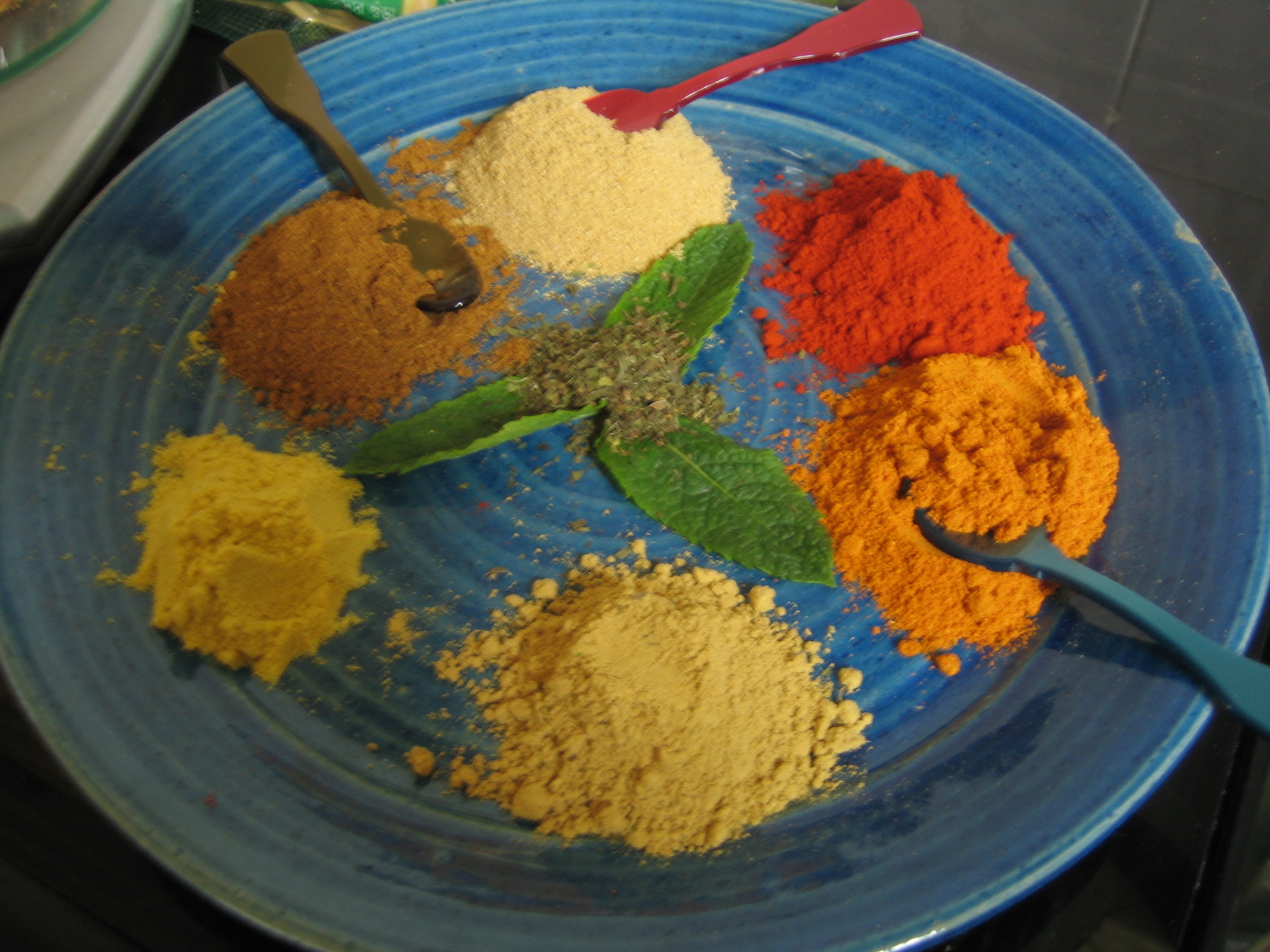
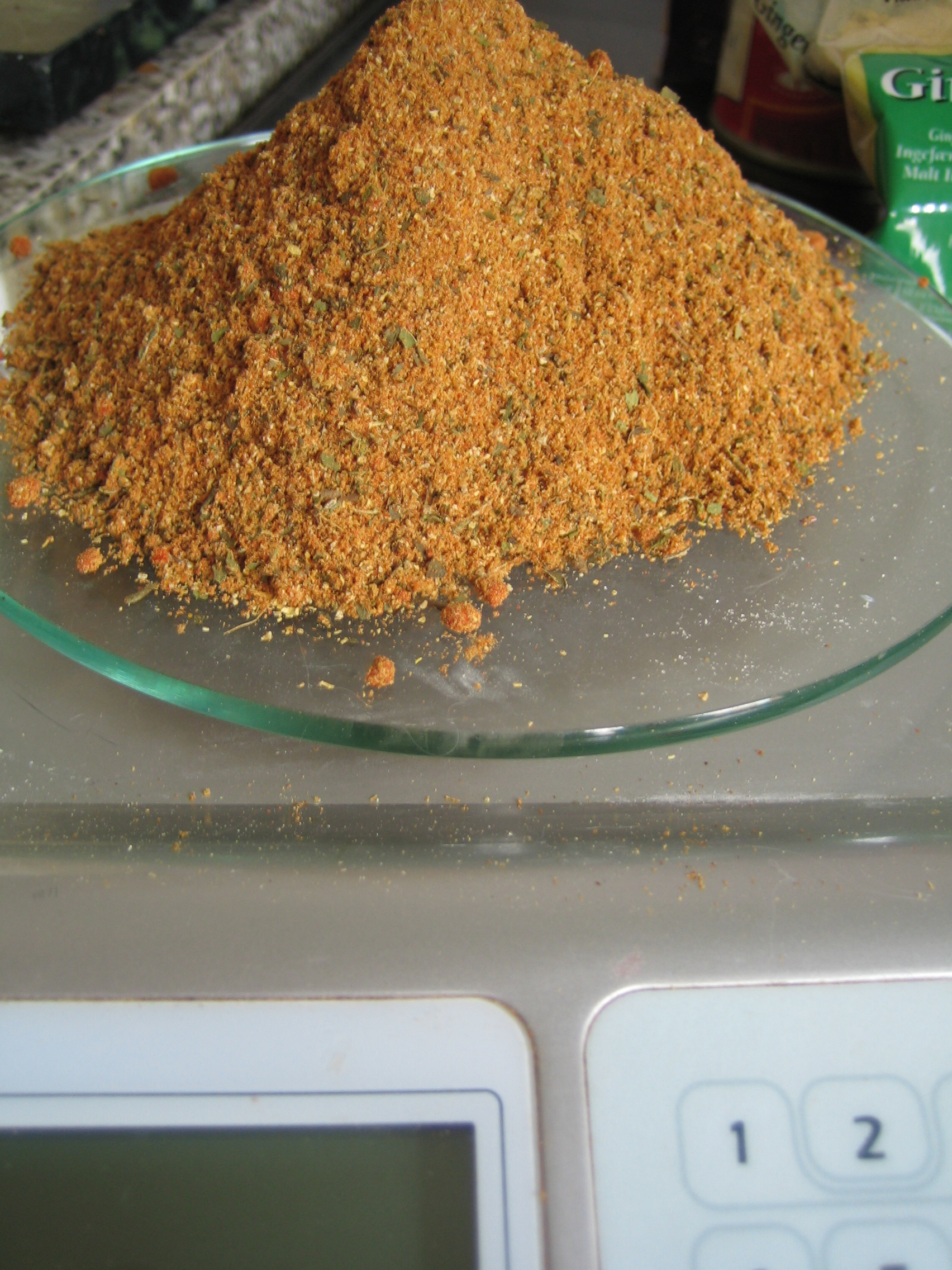
IMG_1732 It is intensely frustrating following the Low FODMAP diet and visiting the supermarket and looking for an easy sauce or dry powder spice mix when lots of the sauces and spice mixes contain onion and garlic powder. How on earth are you to make a flavoursome dish with gut friendly ingredients? Make your own perhaps! The following recipe is a masala mix for tandoori food. For a tasty spice mix use the following recipe – it makes about 140g of mix that can be stored for up to six months in an airtight container. Some tips on shopping for spices before we start with the recipe – check out your local asian supermarket and purchase spices in large packets, this is much more cost-effective than buying small jars. If you are following a completely gluten-free diet check all spices for gluten including your asafoetida (some spices can be adulterated by addition of fillers such as wheat flour.) It might be better to purchase spices from suppliers that do label their mixes with allergens and suppliers that understand that even small amounts of gluten can be problematic for coeliac, for example.

IMG_1735Choose sweet paprika if your gut is sensitive to spicy food and you may want to use a mild heat chili powder too, or omit it all together. Use smaller amounts of the powder in your recipe, if you find that spices tend to increase your IBS symptoms.

Ingredients for the dry masala

40 g Coriander

30g Cumin

20g PaprikaIMG_1733
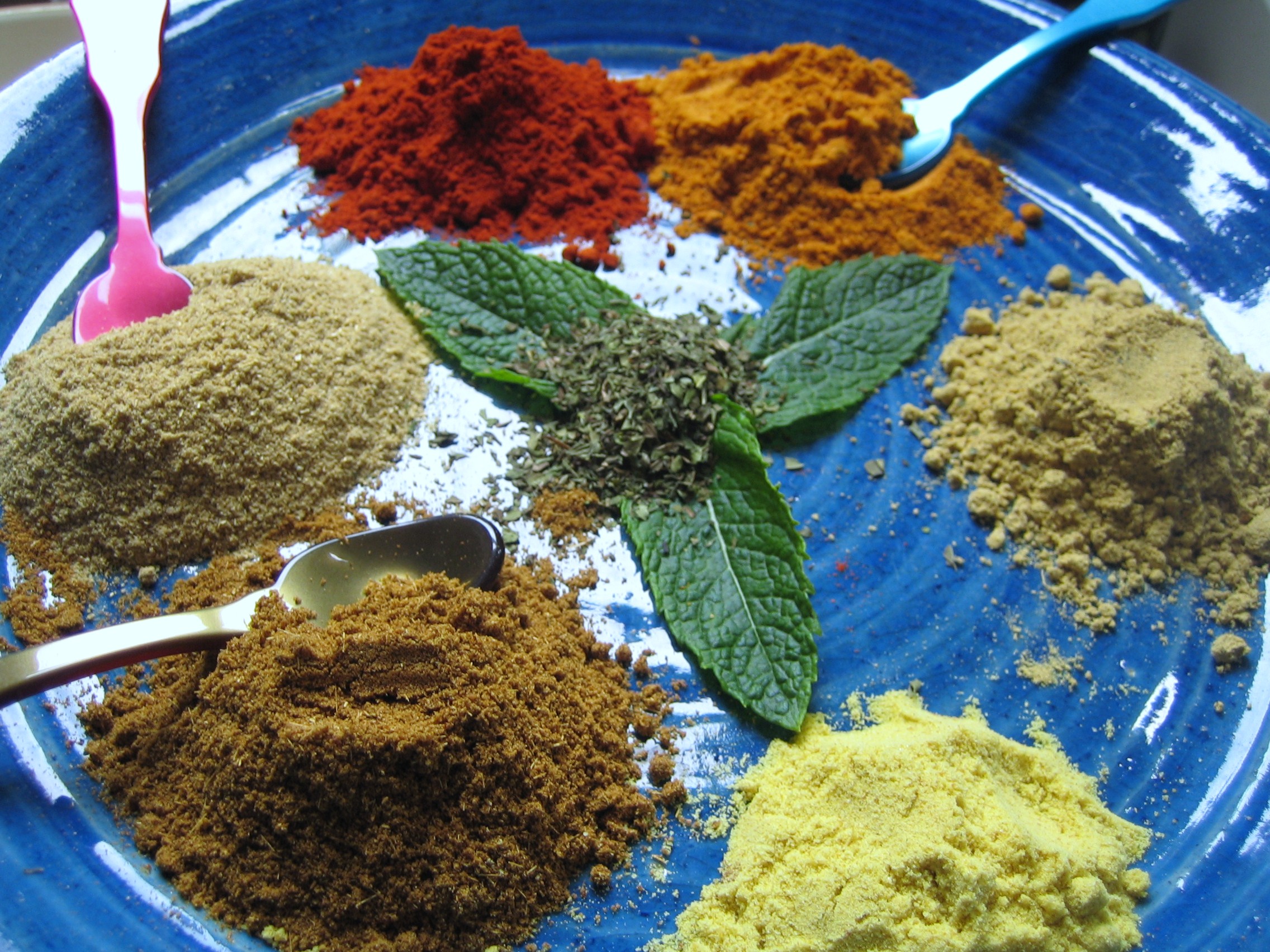
20g Ginger

15g Dried Mint

5g Asafoetida

10g Chilli powder

Mix the dry ingredients together and store in an airtight tin.

Tandoori Chicken

Two dessert spoons of dry masala powder (above)IMG_1734
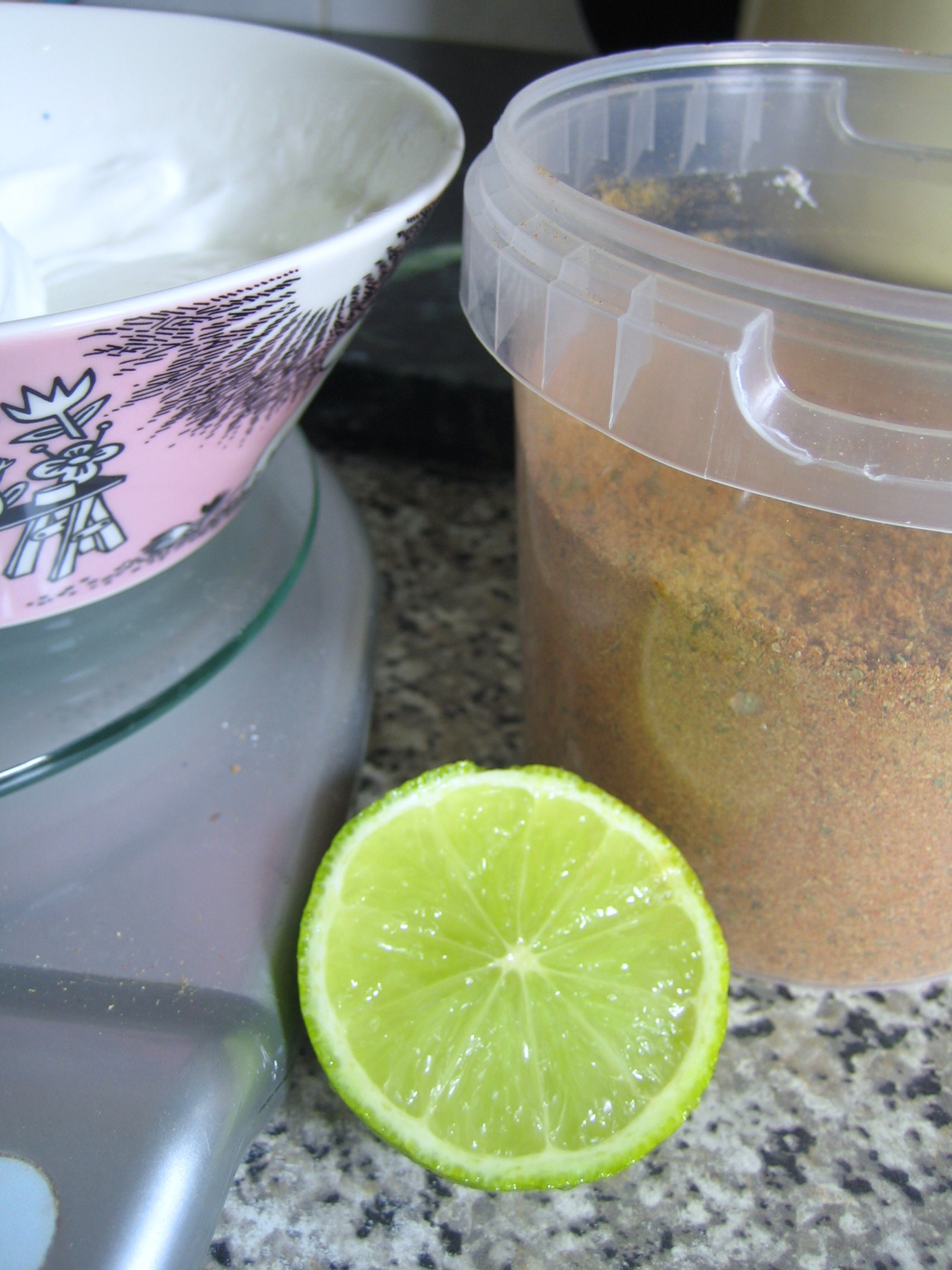
Juice of 1/2 lime

150g lactose free greek yoghurt

4 skinless chicken breasts

Salt & pepper to taste

Weight out the yoghurt and squeeze half a lime into the yoghurt and mix well.

Dry fry the spice mix till the aroma is released, cool and add the powder to the yoghurt.IMG_1736
If you want to have the authentic indian restaurant colour you can add red food colouring the mix (as I did.) Ensure that the food colouring is not based on beetroot powder, this is a fodmap.

Don’t be tempted to try the uncooked mix – it really needs cooking to bring out all the flavour, it doesn’t taste nice raw – believe me!

Spread the yoghurt onto both sides of the chicken breasts and leave to marinade in the refrigerator for a few hours or at the very best overnight.


IMG_1738IMG_1739

Now time for cooking………

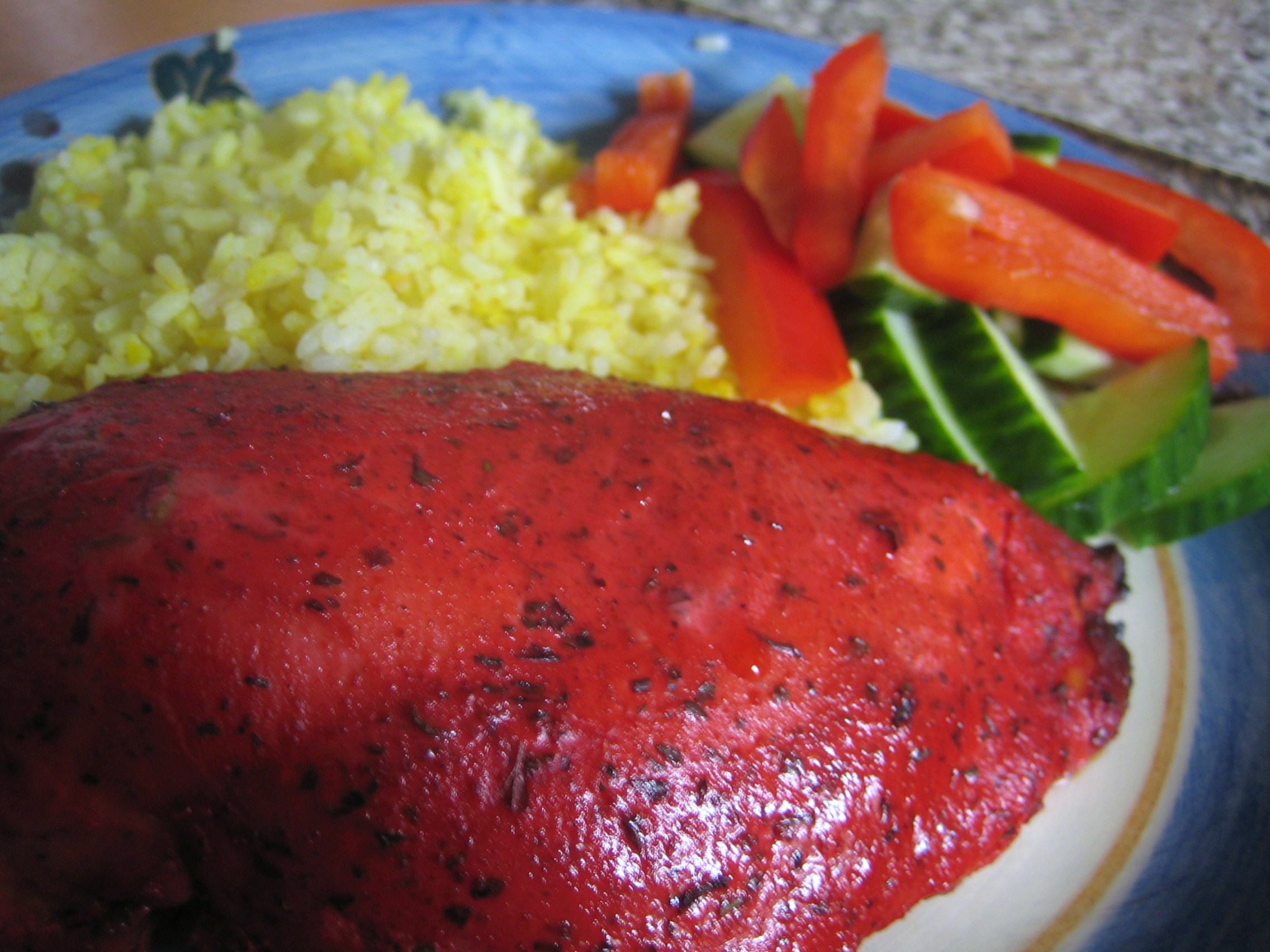
Scrape off excess yoghurt from the chicken breasts and place in a hot oven and cook for 30 minutes till cooked through. Serve with boiled rice (add some turmeric and cassia bark to your boiling rice to add colour and flavour) and Low FODMAP salad.
IMG_1741

A low-fat tasty dish that is not too hard on your digestive tract, just the ticket for a Saturday night meal.

Gluten free bread woes?

The one anxiety people have when they are diagnosed with coeliac disease is the bread. People complain about the texture, the taste, the fact that sandwiches ‘are just not the same’, the slices are too small and they struggle with choices at lunchtime. In my experience most people find a solution to the bread ‘problem’ and this can be achieved by trying all different types, most

http://sammisofties.blogspot.co.uk/2011/09/miss-marples-bread-woes.html

companies will allow you to sample the products. Free From shows are ideal venues to visit as most companies exhibit and will allow you to taste. It can be argued that the popularity of the gluten-free diet as a lifestyle choice is not ideal, but one thing is for sure, choices for gluten-free foods are improving all the time. Although free market competition and following price reductions due to market competition does not seem to have followed with the increasing choice available.

The fresh breads that are marketed are good options and if you can tolerate codex wheat (wheat that has had the gluten removed) but you may need to have freezer storage as if these are ordered on prescription (for people with coeliac disease only) they are delivered in larger batches. Try to choose ones with added fibre or seeds to increase wholegrain options in your diet. Some breads can be freshened by warming in an oven or microwave – this is usually stated on the packet and some versions have humectants (an additive that holds on to water) added to keep them moist, such as psyllium husk flour, which can also act as a bulking laxative! Useful for most people but you might want to limit the amount of these types of bread if you have irritable bowel syndrome and you suffer from diarrhoea and bloating.

lunch day 2

Most types of bread are available in gluten-free varieties, such as baguettes, rolls, fruit loaf, pita and naan, a new wrap has even been introduced recently. If you use artesian bread outlets or farmers markets, please ensure contamination with gluten has been avoided and the seller is aware that spelt flour is not gluten-free. One clear problem with the gluten-free bread is that the slices are often smaller – but do be cautious as these slices may contain the same calories as a standard sized loaf. Those people who have weight management requirements need to review the labels when choosing bread as sometimes ingredients that are used to improve the texture increase the calories the bread contains. Some of the more common breads and there fat and calorie contents are below.

————–Energy per Slice/per 100g (Kcal)              Fat Content per slice/per 100g (g)

Juvela Fibre Fresh                           73/229                                                     1.3/4.2

Glutafin Select Fibre Fresh             88/252                                                     2.2/6.1

Genius brown original                      82/304                                                    3.8/14.3

Warburtons Brown                           73/229                                                    2.2/6.1

Yes You Can (fibre)                          83/221                                                    1.4/3.7

Wellfoods (fibre)                               –/216                                                     –/2.3

Ener-G (rice brown loaf)                  –/334                                                     –/15

Fria Fiber                                            83/265                                                   2.1/7.0

Barkat Brown                                      –/221                                                   — /3.2

Dietary Specials                                68.5/249                                                 1.7/6.2

Biona rice brown bread                       –/200                                                  –/2.0

Asda Brown                                            86/234                                                1.2/3.3

Sainsbury’s Brown  (slice = 36g)         86/302                                                3.6/12.5

Tesco Brown                                         105/285                                                3.1/8.6

Only two of the above products would be classed as a low fat product if you go by grams of fat per 1oog only, but this is complicated, as slices are different thicknesses and sizes and calorie content is also important. Concentrating on the fat level might not be that helpful (and the calorie content of the rest of the diet too is clearly important – it’s no good complaining about the calorie content of the bread, if you consume lots of gluten free cake, biscuits and pastries!) Those examples above without per slice options may be unsliced, therefore the calorie content depends on how generous you are, thin slices or ‘door stop’ slices, as my Lancashire family would describe. Some companies are now producing loaves that have larger slices to address the issue of small slices, but again caution might need to be taken for those who struggle to maintain a healthy weight.

gluten free bread loaf 3 4-23-12 w

As can be seen above we now have lots of options for choices for bread – so those who are newly diagnosed should ideally try each version to see which they prefer, this choice can be as different as chalk and cheese! You can make your own using breadmakers and baking by hand, mixes are available to help and they are usually very good in my experience. Making your own can take some time to get used too but home-made can taste much nicer – you could add dried fruit, a source of iron and fibre. Other options are gluten-free crackers and crispbreads, good options for lunchtime and eating away from home. Toasting the bread can also make the bread more tolerable for some.

If you are following the Low FODMAP diet ensure you check ingredients.

If you have any tips for people please share!

No funding or free samples were provided to faciliate writing of this post.

Easter meal – roast spring lamb

IMG_1673The first thing to do in the preparation for this Easter meal is to marinade lamb steaks for 1-2 hours.

Marinade

1 freshly squeezed lemon

1 tablespoon of garlic infused oil

Sprinkle of salt

3 sprigs of rosemary

chop the rosemary and add to a bowl with 2 lamb steaks, oil, lemon juice and a small amount of salt to taste.

Leave to refrigerate for 1-2 hours before adding the lamb to a roasting tin with vegetables (I chose parsnips, these were what I had in the fridge, but you could choose carrots if you wish.)

Place in the oven at gas mark 4 and cook for 2-3 hours or until the lamb is very soft and falls apart. Keep checking it as you don’t want it to become too dry. Cooking the lamb long and slow will ensure that some of the marbling of fat it contains will liquefy and can be skimmed off the meat juices once cooked.

IMG_1674

The next dish to make is a greek salad – we had this as a starter to our easter meal.

Ingredients

1 large tomato

1/2 cucumber

10-12 black olives

1 teaspoon of dried oregano

100g of feta cheese.

Chop the tomato, feta and cucumber and add to a bowl with olives. Mix well, as the feta and olives are quite salty there should be no need to add salt to season this dish. Serve before the main meal or have it as a side dish – whatever you prefer to do is fine.

IMG_1677

The next thing to make is the mint dressing for the potatoes.

Minted Charlotte Potatoes

2-3 potatoes per person.

2-3 sprigs of mint

1 tablespoon of garlic infused oil

1 tablespoon of white wine vinegar

Salt to taste

Chop the mint and add it to a bowl with the olive oil and white wine vinegar, salt and mix well.IMG_1680

Chop the potatoes into 2-3 cm wide slices. Boil the potatoes for 10-15 minutes, drain the pan of water, add the dressing and shake the pan well.

Keep potatoes warm.

Prepare the lamb

Trim the fat from around the lamb and place on a serving dish with the roasted vegetables.

Drain off the cooking juices and strain off the fat which floats on the surface, drizzle this liquid over the meat and allow it to rest (if you wish to make a gravy add a heaped teaspoon of cornflour and heat in a pan until thickened.)

Serve up and enjoy! This meal is gluten-free and Low FODMAP (a small amount of tomato is included in the salad, which shouldn’t be too much for those excluding fructose from their diet) however the salad does contain milk protein. The meal is a celebration and has been prepared with some effort to reduce the fat levels in the roast lamb, however lamb is still quite a fatty meat therefore it is probably better to eat it occasionally. It serves 2-3 people (ensure a lamb steak per person.)

IMG_1679

Easter with food intolerance

Simnel Cake

What is Simnel cake? Simnel cake is a cake that is traditionally consumed on Easter Sunday, it is a light fruit cake with a toasted marzipan topping. The Lancashire version is a particularly fine version – recipes I have found don’t contain saffron, you can leave it out if you wish but I felt it added a nice flavouring and colour to the cake. It is a festival cake once used for mothering Sunday – see a history of the cake here

http://www.timetravel-britain.com/articles/taste/easter.shtml

I hope you have a happy holiday this weekend – despite the cold weather!

IMG_1664

Ingredients

240g of self-raising wheat free/gluten-free flour

1 flat tsp of cinnamon*

1/4 of grated nutmeg

1/4 tsp of ground cloves*

1 teaspoon of gluten-free dairy free** cocoa powder

50g of pecan nuts

50g of sultanas

4 eggs

200g of milk free margarine

Large pinch of saffron

200g of golden caster sugar

Method

Pour approximately 1 tablespoon of boiling water on to the saffron and set aside to cool.

Weigh all other ingredients into a mixing bowl, add saffron and liquid mix, mix well.

Place in a paper lined seven-inch baking tin and bake till a cake skewer comes out clean when inserted into the centre of the cake.

Trim the top of the cake flat and turn upside down to give an even working surface. Cover with rolled out marzipan* (or ready roll icing sugar* if you are following a low FODMAP diet – you can colour it pale yellow to simulate marzipan if you wish!) Roll 11 equal balls of marzipan or icing sugar to represent the disciples (minus Judas) and if you are using marzipan place the cake under a grill to brown the marzipan.

IMG_1665

Enjoy a small piece with a nice cup of tea!

**Milk free see http://lucysfriendlyfoods.wordpress.com/2012/07/05/dairy-and-nut-free-cocoa-powder-found-at-last/ , lactose free, wheat free, gluten-free, Low FODMAP (without marzipan.) *Ensure these ingredients are not contaminated with wheat or gluten.

Reflection on a year of blogging.

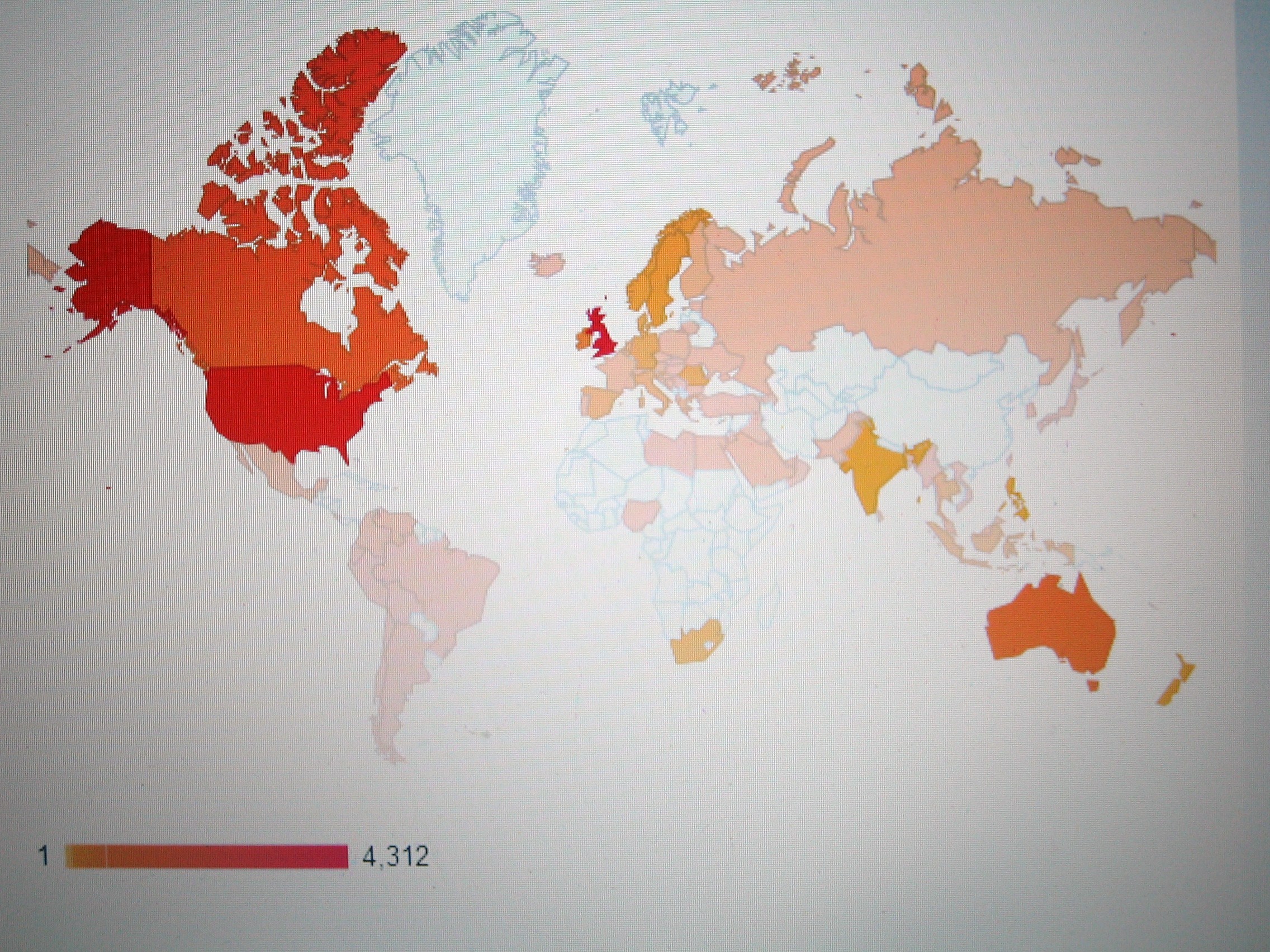
IMG_1650I have just had my anniversary of my blog, I started the site a year ago and did wonder how it would go, but I have been really hooked on writing and cooking recipes. Watching my stats I am also surprised at the breadth of countries who are interested in looking at my site, plus an interest in which countries have not viewed my site yet – so, come on guys I want to complete the full globe this year, as sure as anything you can bet that someone has some digestive complaint that would benefit.

I have experienced writers block for the last month and a paucity of recipes too. I am hoping that IBS Awareness Month spurs me on with writing more and I would also appreciate some ideas about what people would like to read on digestive disorders. The plans for the next twelve months include more book reviews and recipes, I hope to expand the blog to a website – and perhaps most exciting of all I hope to be running a clinic for patients who have intolerances, allergy and low FODMAP dietary requirements very soon, email me if you are interested.

http://www.arikhanson.com/wp-content/uploads/2010/08/InspirationPoint.jpg

I have attended The IBS Networks AGM today, my third one and the future in IBS is looking really positive, new ideas, treatments (including the Low FODMAP diet) and new research into the gut microbiome (bacterial population) and it’s effects on health and disease have made IBS more of an attractive area for research and medical management. If you are interested in getting involved, maybe you would be interested in running a support group in your area, The IBS Network can provide support if you do.

ibsnetwork

So watch this space and any ideas on what you would want to read are gratefully appreciated!

Valentines Day approaches – love me, love my gut – even if it misbehaves sometimes.

Now, I’m not a counsellor or psychologist but I am able to give you some advice around dining out and reducing the anxiety this can cause around safe foods to eat. If you are going out with a new partner Dr Barbara Bolen has some really useful advice around dating and functional bowel problems (IBS.) She advises that you should be open about having digestion problems and it is OK to describe them as such, you don’t need—and probably

A little flippant perhaps – but also some truth, love me love my GUT!

wouldn’t wish to go into detail. She also provides some good examples of how to describe your GUT problems so check out her website. An explanation will also help to reduce your anxiety about needing to go to the loo frequently during a meal and this might help reduce the actual visits required. Dr Bolen also has some really good information on her website about how to tell someone about your IBS, relationships and how to enjoy a healthy sex life with functional bowel problems, check out her site here –

http://ibs.about.com/od/livingwithibs/tp/IBSandDating.htm

Dr Bolen has also posted a link about this post and she does also appreciate Valentines Day is not a day that everyone celebrates and it can be a time that can be difficult psychologically – see the link here:-

http://ibs.about.com/b/2013/02/14/ibs-and-valentines-day.htm

If you are going on a date you may want to go to an establishment that you know well and ask for a table to be reserved in a good position, making it easier should you need to visit the toilet. Making a suggestion about where to go on a date shouldn’t cause a problem, just be a little assertive and ensure that you explain about your IBS at some point—if someone wishes to go out with you this really shouldn’t be an issue. You could also a look at the menu before your visit and telephone the chef to ask if they can cook your food without ingredients that may cause problems if this helps. See if your partner also wishes to look at the menu before arriving, this will leave more time for conversation and getting to know each other. Looking at the menu is easier to do these days as most restaurants post menus on-line.

Eating out on the Low FODMAP diet can be challenging, as onion and garlic are widely used, don’t forget to ask about sauces and stock. Having dietary intolerances shouldn’t stop you going out – some ideas for choosing food are grilled chicken breast, fish fillets, steak—in other words plain meat or fish without sauce. Egg dishes are also a possibility, omelette or frittata, check the dishes are onion and garlic free, if they are a problem for you. Choices for the starchy component are plain rice, freshly cooked potato or you could ask for wheat or gluten-free dishes (depending on your intolerance,) but again check for other FODMAPs. Establishments are now better at labelling their menus, or providing separate gluten-free menus, since a recent change in regulations. Or you could try sushi, if you like it but again check any vegetables for FODMAPs. Always remember that it might not be the food you have just eaten that causes symptoms. If you are through the exclusion phase stick to your known low FODMAP foods for the day and possibly the evening before your date depending on your GUT motility (knowing the time it takes food to pass through your digestive system.)

If foods high in fat are a problem for your digestion then ask for the meat grilled or cooked on a griddle which will allow the majority of the fat to drain away. Vegan options are a little more challenging as they often contain foods high in fermentable carbohydrates, but a risotto based on Low FODMAP vegetables or rice stuffed peppers would be an option here, not forgetting to ask about use of onion and garlic in the dish, should you need too.

Wheat free pasta I presume?

Some people find alcohol is a problem, if you want to have alcohol and it does give you symptoms, limit the amount that you have. You could have a glass of wine, for example with your main meal, or ask for a spritzer to make a longer drink. Order a spritzer with your starter and allow it to go a little flat before drinking it, if you suffer from bloating. Using an implement such as a straw or cocktail stirrer to mix your drink will help to disperse the gas it contains, but don’t be tempted to drink from the straw.  You could try a little seduction and gaze into your partners eyes, whilst stirring your drink! Watch the amount of fruit cocktails you have, if you have fructose intolerance—one small glass (100 ml) of pure fruit juice containing low FODMAP fruits is usually the maximum advised. So ensure your cocktail has no more than this amount and drink it with the main dish or sweet.

Check out The IBS Network Self-Care Plan for medications that are helpful.

I would really encourage you to eat out this Valentines Day if you are invited, you may have some symptoms because it can be difficult to avoid all FODMAPs, but the most important factor is that you go out and enjoy the experience. You might find a life partner by going on the date, what more could you wish for? If you don’t have a partner, you could plan to do something special with friends or family for the day.

Most of the advice has been about functional gut problems (IBS) but if you have inflammatory bowel disease IBD, some of the advice posted may be useful but I would strongly advise you to go on-line and check out Crohns & Colitis website (link to the main site is found to the right) as they have some really useful advice on relationships and IBD, or the link for The Ileostomy and Internal Pouch Association for advice.

Check out the living with IBD leaflet here

http://www.nacc.org.uk/content/services/infoSheets.asp

Now for the bah humbug ;-),  this advice also applies to the rest of the year! Valentines Day is very commercialised, expensive and anticipation of events occasionally can prove to be disappointing if you spend lots of money on the day. You could always suggest going out at another time, if you wish and there are other ways of showing your affection than an expensive card and some petrol station bought carnations! If you know what your partner likes, try making your own gifts, some baking perhaps (and I do include you gentlemen readers here too)—invest some time and personalise your gift, this will be really appreciated as it shows your love and understanding.