Coronation chicken – low fodmap

Coronation chicken is a favourite traditional dish in the UK and was first devised for Queen Elizabeth II’s coronation in 1953 by the Cordon Bleu chef Rosemary Hume and Constance Spry. Rosemary was described by Constance as the ‘brains’ of their collaboration with respect to cookery knowledge, but Rosemary is always mentioned after Constance who would appear to be a very accomplished self publicist. I could not even find an image of Rosemary for this post, and so, I have dedicated this post to Rosemary as the ‘brains’ behind the coronation chicken dish and given her prime place of honour! This dish normally contains significant amounts of mayonnaise and is high in fat – the version below has a lighter dressing that might be a little easier on troublesome digestive systems. Mango chutney, another key ingredient has been replaced in the dish with pulped papaya instead, it may not be as sweet as a traditional coronation chicken dish but I tend to prefer it that way and it is low fodmap so a better choice for being gently digested too. If you want it a little sweeter you could add some sultanas but remember no more than 13g per portion. Coronation chicken is a great celebration dish to serve on buffets and it can also be used as a sandwich filler, a great option to make and take to work for lunch.

Ingredients

400g of cooked chicken

1 teaspoon of turmeric

1 teaspoon of cumin

1 teaspoon of cumin seeds

A sprinkling of asafoetida

Half an inch of ginger

3 heaped tablespoons of natural Skyr (prepare with lactase drops if you are lactose intolerant or use lactose free natural yoghurt.)

1 tablespoon of light mayonnaise

Half a papaya

Half a small handful of coriander

1 tablespoon of garlic infused oil

10g of flaked almonds

salt + pepper

Method

Tear the chicken into small manageable pieces

Pour oil into a small pan and heat. Add the turmeric, chopped ginger, cumin, cumin seeds, asafoetida and fry for 5 minutes to release the spice flavours. Cut the papaya in half, chop a quarter and add to the spices. Cool and crush in a mortar or blend till smooth.

Add the mayonnaise and yoghurt to the spices, mix well. Chop the other quarter of papaya and add to the chicken with the almonds, chopped coriander and dressing. Season to taste then serve.

Serves 4-6, depending on the use of the dish.

Queen04-pg-horizontal


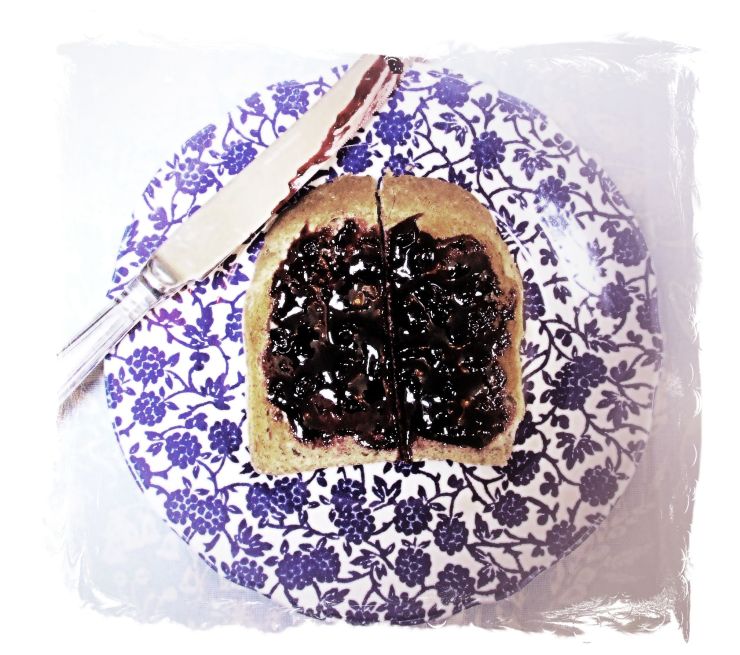
The moorland wild bilberry

In the month of August the moors around Lancashire and Yorkshire provide an abundance of wimberry (more frequently called bilberry). These little berries are delicious but it takes some effort in gathering them, but it is certainly worth that effort. They are ready now to harvest and if you have a few hours to spare you can gather enough to make jam – not enough time? Then perhaps gather enough to serve on your breakfast (portion is 80g), these little fruits are also likely low fodmap according to Monash – so a free, low fodmap berry that you have to exercise to find the bushes and picking them is a mindful task, a win win all round! A tip to save time in gathering them is to look for the bright green new growth on the bushes as this seems to have the larger berries. This year seems to have a bumper growth of them there are plenty to pick but I always leave enough on the bush for the local wildlife. Also do ensure that you identify these bushes correctly before foraging the fruit – see the image below.

Winberry are high in acidity so this will produce a moderate set without necessarily any addition of extra acidity and not too much additional pectin for jam making. Nutritionally they contain anthocyanins, water soluble pigments that are proposed to have antioxidant properties. A anecdote often proposed for bilberry is that it enhances night vision and was used during the second world war by pilots to enhance their vision during bombing raids (a story proposed for the carotenoids in carrots too!) A review Canter PH & Ernst E (2004) Anthocyanosides of Vaccinium myrttilus (bilberry) for Night Vision – A systematic Review of Placebo Controlled Trials Survey of Ophthalmology Volume 49 issue 1 reported the hypothesis that bilberry enhances night vision has a lack of evidence from rigorous clinical studies. Also the fact that these fruits are not going to be consumed on a regular basis will also impact on the health benefits they do have – so let’s not get overly concerned about it, just eat them for the pleasure of gathering them in summer and a the reward for your hard earned efforts! If you do collect them please ensure you know what you are looking for and positively identify them before you use them.

Horn_-_2014-07-18_-_LIP-007_-_Heidelbeeren_(06)

Can you cook a cucumber? British cucumber week

The humble cucumber – stalwart of the afternoon tea finger sandwich has it’s own week, dedicated its summer fresh light green crispness. I find the cucumber a great salad vegetable and obviously it has been used in sandwiches for afternoon tea – a meal that has had a revival recently, but can you use it any other way?

Soup is a good start but what about roasting cucumbers or fried cucumber pasta? I think I might give it a try as the cucumber is a low fodmap vegetable – let’s see what happens!

Ingredients

2 inches of cucumber sliced thinly

1 roasted pepper (sliced)

10 olives

matchbox piece of Parmesan grated

150-200g dried gluten free pasta

1 teaspoon of garlic infused olive oil

Method

Boil the pasta as directed by the packet instructions

Using the oil fry the cucumber, pepper and olives till warmed through

Drain the pasta and combine with the vegetables

Sprinkle with grated Parmesan

Serves 2 – this was very tasty – despite first appearances!

pasta2

Pecan, lime and blueberry bircher low fodmap

What a glorious way to start the day with a yoghurt and oat based creamy breakfast – this recipe contains ground flaxseed to add lots of soluble fibre to your breakfast, a real treat for sluggish bowels! Skyr yoghurt contains lactose – if you are lactose intolerant and are concerned about yoghurt add lactase liquid to the yoghurt. The dose recommended is 5 drops per pint – 4 drops to convert a large pot of yoghurt (450g) for the Biocare liquid lactase product,  it does contain glycerol, which is a polyol, but lactase enzymes should be included after the re-introduction phase of the fodmap diet and you will be aware of whether you need to exclude polyols, although lactase drops are used in very small amounts, usually. Another product available appears to be Colief but this is marketed as infant colic drops at a slightly higher price for 15ml with very similar ingredients. These were the only two brands available when I searched for UK products, do let me know if you use others. It is probably better to treat milk/yoghurt with lactase prior to drinking or using it in recipes, as this forgoes the complex vagaries of digestion – I would suggest digestion is certainly more complex with IBS – the effects other food components in the digestive tract or in recipes may reduce the effectiveness of the lactase. This prepared yogurt needs to be left for twenty four hours in the fridge for the lactase to take effect. However some people with lactose intolerance can manage yoghurt, as the manufacture means a lower level of lactose in yoghurt – go with what you tolerate, once you have completed your fodmap re-introductions you should know how much you can have without symptoms. The yoghurt can then be used to make up the bircher, this is usually left overnight.

Ingredients

200g of low fat low sugar Skyr or thick textured yoghurt

50 mls fluid

1 heaped tablespoon of ground flaxseed

1 teaspoon of lime curd (check labels for any fructose based syrups and avoid)

20g of pecan nuts

1 heaped tablespoon of oats

13g of dried blueberries or 80g of fresh.

Method

Add the flaxseed to 50ml of water, mix well.

Then add the yoghurt, oats, blueberries and lime curd to the mix.

Prepare this recipe the night before and it will be ready for you to eat the next day! Add the chopped pecans just prior to serving to retain the texture. Yum!

Drink a glass of fluid or cup of tea with this for additional fluid to help the flaxseed move through your bowel.

northern-lights

All ingredients for this dish were purchased.


It’s national picnic week – low fodmap picnic loaf

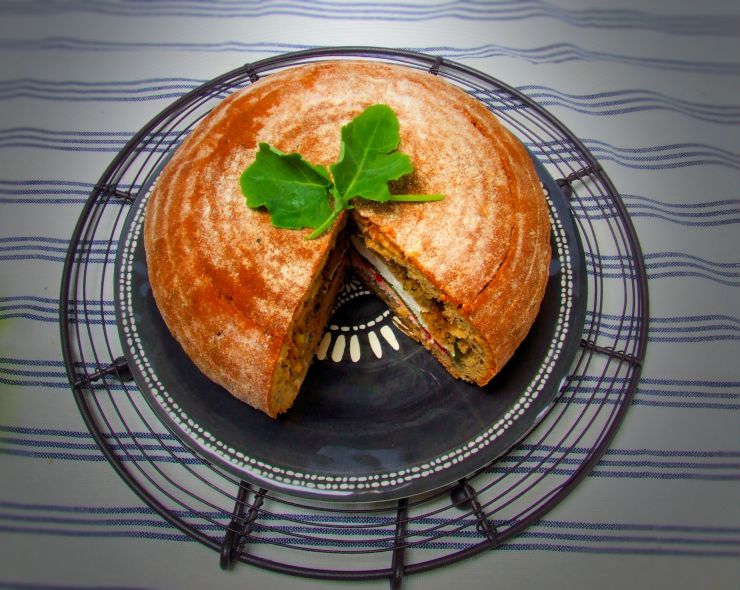
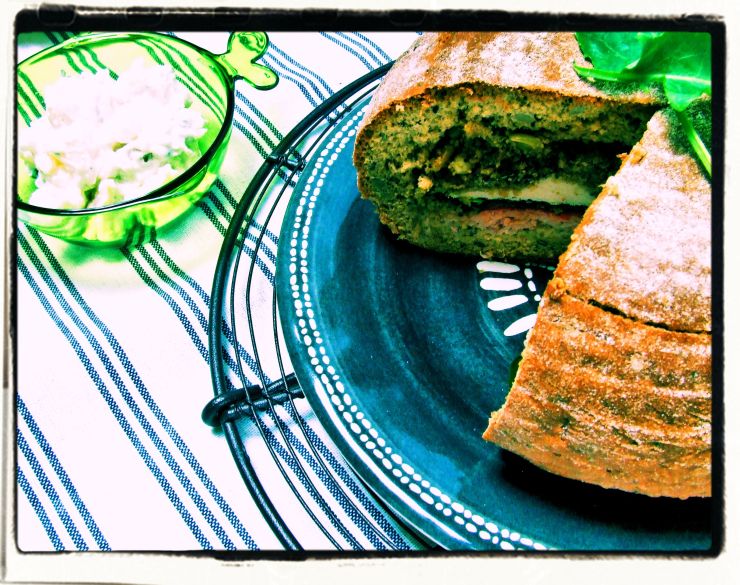
It’s national picnic week – although the weather isn’t that fantastic, but you can use the ideas from this event all through the summer. Here’s hoping for better weather. This recipe used a Warburton’s gluten free seeded sourdough artisan boule (purchased.) You could just as easily use a sourdough spelt loaf – this is available from artisan bakers or make your own if you have time to spare. See the link to the Sustain website search facility for artisan breads. There are three types of sourdough and for the low fodmap diet you should choose 100% spelt flour based bread – only sourdough type one and two use a fermentation process that will reduce the fructans levels in the bread see link.

Ingredients

1 sourdough boule

1 lemon

a few sprigs of lemon thyme

1 skinless chicken breast

1 roasted red pepper

1 teaspoon of grained mustard

2 teaspoons of extra light mayonnaise

100g of Brunswick ham

young kale leaves (or rocket or green lettuce)

2 tablespoons of pine nuts

1 tablespoon of oil

Method

Cut a circular lid in the top of the cob

Mix the mustard and mayonnaise together

Remove the centre of the cob and crumb

Spread the mayo/mustard on the bottom of the cob

Layer the Brunswick ham on the top of the mustard

Layer the roasted pepper on the ham.

Layer the leaves on the top of this.

Layer sliced chicken on the top

Grate the lemon to produce zest

Add half the oil to the breadcrumbs, lemon zest, lemon thyme, pine nuts and roast at the top of a hot oven – watch this carefully as it can burn very easily.

Cool the breadcrumbs

Pack this in the top of the cob use the rest of the oil on the bottom of the lid.

Place the lid on the cob, wrap tightly in clingfilm and refrigerate overnight.

Serves 6

DSCF3322coralb


Quinoa deli filler

This deli filler can be used in gluten free wraps, sandwiches and on the top of jacket potatoes and is a really quick easy recipe to make. It has a very fresh taste and is a great option for summer al fresco dining. Just perfect if you want to go out for a picnic or need some alternative ideas for your lunchbox. I used Clearspring organic quinoa trio. Packet quinoa can be used hot or cold and is suitable for a low fodmap diet, just ensure you check the ingredients list before you buy. The recipe does contain egg in the small amount of mayo used to bind the ingredients together. The quinoa contains some oil but you could add a little dressing instead of the mayonnaise, if you are vegan, to bind the rest of the ingredients. You could also cook your own quinoa but this would defeat the point of making this dish as easy as possible so you can quickly make your sandwiches or wraps and get outside in the sunshine, for a picnic perhaps!

Ingredients

1 packet of Clearspring Quinoa

6 radishes

5 chives

3 tablespoons of pine nuts (these are expensive – leave them out if you wish)

150g of white cabbage

2 roasted peppers (use roasted from a jar to save time)

3 heaped teaspoons of extra light mayonnaise

Method

Wash the vegetables.

Slice the radishes thinly, chop the white cabbage, chives and the peppers

Empty the packet of quinoa into a dish

Add the rest of the ingredients and mix well.

Taste, then season if needed – the ready made quinoa already contains salt, I certainly didn’t need to add any extra.

Serve.

0e22143f-7916-4c77-bd86-4cfe1d1ab7d8

(The quinoa was purchased by me, other makes of quinoa can also be used in this dish if needed.)