Another AGM and slaw salad

I am preparing for another IBS Network AGM tomorrow, I can’t believe its three years since I attended the first one – we have achieved lots of things since then, the Self Care Plan and now free access to all, new website, two Wellbeing days and lots of meetings. Now for the next 12 months!

Slaw salad
½ courgette
1 carrot
1 bag of rocket
1 bag of radish
2 tablespoons of light mayonnaise
3 dessert spoons of pine nuts
Salt & pepper

Method
Grate carrot, radish and courgette and squeeze out any excess water.
Mix the mayonnaise with the carrot, radish, courgette, pine nuts, rocket and add salt + pepper to taste.

Simple!

This recipe was made originally with buckwheat but large amounts of this grain can be problematic for the Low FODMAP diet. The best advice is to use a good variety of grains in the diet so you are not relying on one type. Updated 22.11.14

Would Renaming Irritable Bowel Syndrome (IBS) Make a Real Difference?

This is a thought provoking piece about renaming IBS – we certainly need more IBS advocates would a name change increase advocacy?

ibsimpact's avatarIBS IMPACT

Over the years, the symptom cluster currently known as irritable bowel syndrome or IBS has been called various other terms that are now outdated. These range from, among others, the extremely vague “nervous stomach” to the inaccurate “spastic colitis,” “irritable colitis” “mucous colitis” (IBS, as currently understood scientifically, is not a form of colitis.) to “spastic colon,” as an apparent attempt to acknowledge the unpredictable motility found in IBS. “Irritable bowel syndrome” is the most recent name choice, as physicians and researchers began to realize that the symptoms of IBS form distinct patterns. “Syndrome,” in a medical context, means “a group of signs and symptoms that occur together and characterize a particular abnormality.” This part of the present name is more consistent with the symptom-based Rome criteria that functional gastrointestinal disorder experts have advocated as the international diagnostic standard for over two decades. Rome III is the current version. (See page 889.)…

View original post 804 more words

Gluten Free, Low FODMAP, Low Fibre, tea scones

Afternoon tea is an English tradition that is now only consumed for a birthday or other celebrations and one of my favourites for a treat. It should contain sliced sandwiches, a scone with jam and small cakes. The following is a recipe for plain scones.

DSCF1239mod

Ingredients

250g of gluten-free self-raising flour

50g of olive oil based spread

50g of castor sugar

1 pinch of salt

40mls of milk

1 egg

(1 egg to use for an egg wash and sugar for coating the scone.)

Method

1. Weigh out the flour and add the olive oil based spread, sugar and salt to the bowl

2. Rub the margarine into the flour until you have a small crumb

3. Add the egg and milk and bring the mix together – remember the more work you put into this the better the mix will stay together, it really is not like working with wheat flour!

4. Roll out to a 1.5 cm thickness and cut out scones.

5. Wash with egg and sprinkle with sugar and bake in an oven for 15-20 minutes at gas mark 6 22o°C.     

You could add a teaspoon of gluten-free baking powder to increase the rise of the scone – I didn’t – as I tend to feel that you can taste baking powder in scones if you use too much.


Adventures with Quinoa Flour

Due to a fortuitous reduction in the price of Quinoa flour at a local health shop I have purchased some to try baking with it, for you. I decided to bake some blondies – ginger ones, or may be I should call them gingies! I love the flavour ginger – in fact ALL things ginger. Now THIS particular quinoa flour, according to the packet, is sugar-free, saturated fat-free, cholesterol free, trans fat-free, sodium free, low-fat, (as is all flour – nothing new here, then ) non-gmo, gluten-free AND ‘caution extremely organic’ – but not that funny – or clever! What they forgot to tell me was wheat free, milk free, egg free but unfortunately no mention of nuts. Really great then? The protein content of the flour is not really that high at 4g /100g but quinoa has a good amino acid profile as a grain, although the flour is a fine milled white flour (- contains some fibre though at 3.5g/100g,) so it cannot be assumed that the amino acid profile is exactly the same as the raw grain. It has not been tested for fermentable carbohydrate content although quinoa grain itself is completely suitable for people following a low FODMAP diet.

 DSCF1235mod

So how easy was it to use? My first attempt was a bit of a culinary disaster. I added some zanthan gum and 2 teaspoons of ginger and a small amount of chopped stem ginger. This resulted in a very gloopy texture and after baking, on tasting, the slice was really strongly flavoured, not that pleasant in fact. The taste reminded me of the taste of chickpea flour, again this is fine to use, but I would suggest that as both these flours impart a very strong flavour to baked items it might be better to use them for very strongly flavoured dishes. My second attempt was better and as I increased the ginger flavouring the taste was very much improved.

IMG_1570As part of a flour mix this flour would be suitable, as other free from flours, such as rice or gluten free flour as these should reduce the flavour. So was it worth the purchase – at full cost, or even discounted? I feel that the ‘benefits’ of this type of flour should not command such a high cost. Most people will not be able to afford to purchase and include it in their diet on a regular basis, so nutritionally you are not likely to see the benefits of the amino acids; gut ‘calmness’ wise – there are other options to choose, which do not impart strong taste or flavour. So I will not be buying this flour on a regular basis. However for your enjoyment I have included the recipe for you – you could try it with other flour mixes! Also as this recipe is high in fats and sugars the gingie is really just suitable for an occasional treat. The random images in the post are my whistful desire for summer – it’s really cold today.


Ingredients

135 g Quinoa Flour (or other free from flour)

120 g dairy free margarine

2 eggs

100 g of dark muscovado sugar

1 tablespoon of crystallised ginger liquor

3 teaspoons of powdered ginger

40 g of chopped crystallised ginger

Pinch of salt

Chopped dried ginger to decorate

Melted dark chocolate with ginger to decorate (milk free if needed.)


Method

Add the flour, ginger & salt to a mixing bowl

Melt the margarine in a pan with the sugar, and chopped crystalline ginger and ginger liquor, warm slowly do not boil.

Cool the melted mixture slightly, add the two eggs and mix well.

Add the liquid ingredients to the dry ingredients then add the mix to a paste. Add this to a tray and bake at gas mark 5 for 25 minutes. Cool on a cooling rack and melt the chocolate and pour this over and sprinkle with finely chopped dried ginger pieces.

IMG_1759

Haddock Florentine with mustard roasted carrots (gluten free, low lactose, Low FODMAP)

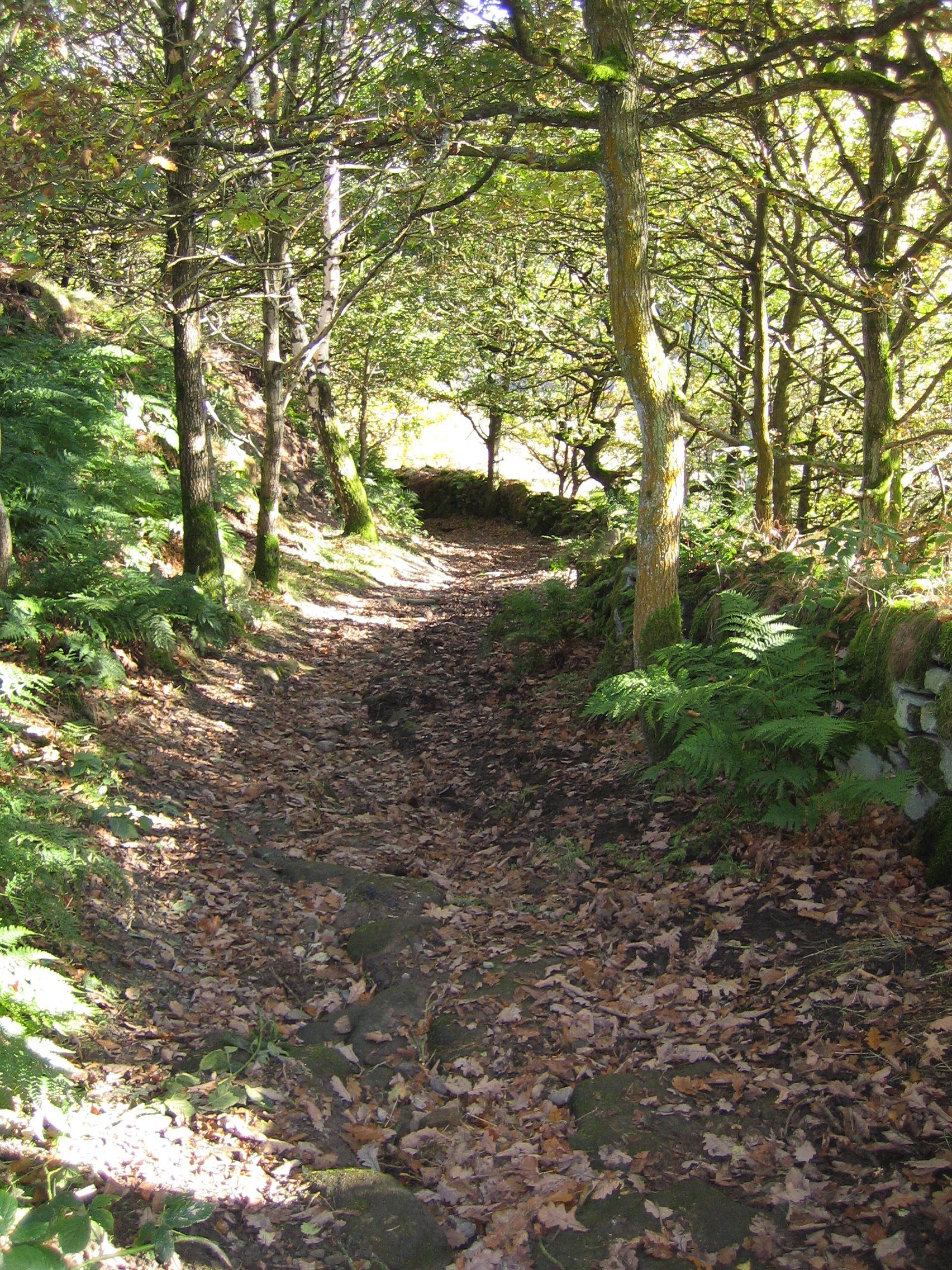
IMG_1776It’s grim ‘up north’ today, the weather is grey and dismal at February’s threshold, still winter then? Few frosty mornings have occurred to evidence winters grasp on the landscape, just sodden foliage and waterlogged boggy moor – a relentless morass. The trees are coated in a thin layer of moss and everything is damp and dismal – great weather for ducks, but pretty uninspiring to everyone else! The ‘mood’ of the woods brings to mind one of my favourite poems by Rudyard Kipling, evoking feelings of nostalgia at its reading. It’s haunting theme I feel is more about sadness and loss, and I am often reminded of it whilst wandering in the woods around West Yorkshire –

The Way Through the Woods

They shut the road through the woods
Seventy years ago.
Weather and rain have undone it again,
And now you would never know
There was once a road through the woods
Before they planted the trees.
It is underneath the coppice and heath
And the thin anemones.
Only the keeper sees
That, where the ring-dove broods,
And the badgers roll at ease,
There was once a road through the woods.

Yet, if you enter the woods
Of a summer evening late,
When the night-air cools on the trout-ringed pools
Where the otter whistles his mate,
(They fear not men in the woods,
Because they see so few.)
You will hear the beat of a horse’s feet,
And the swish of a skirt in the dew,
Steadily cantering through
The misty solitudes,
As though they perfectly knew
The old lost road through the woods …
But there is no road through the woods.

http://www.kiplingsociety.co.uk/bookmart_fra.htm

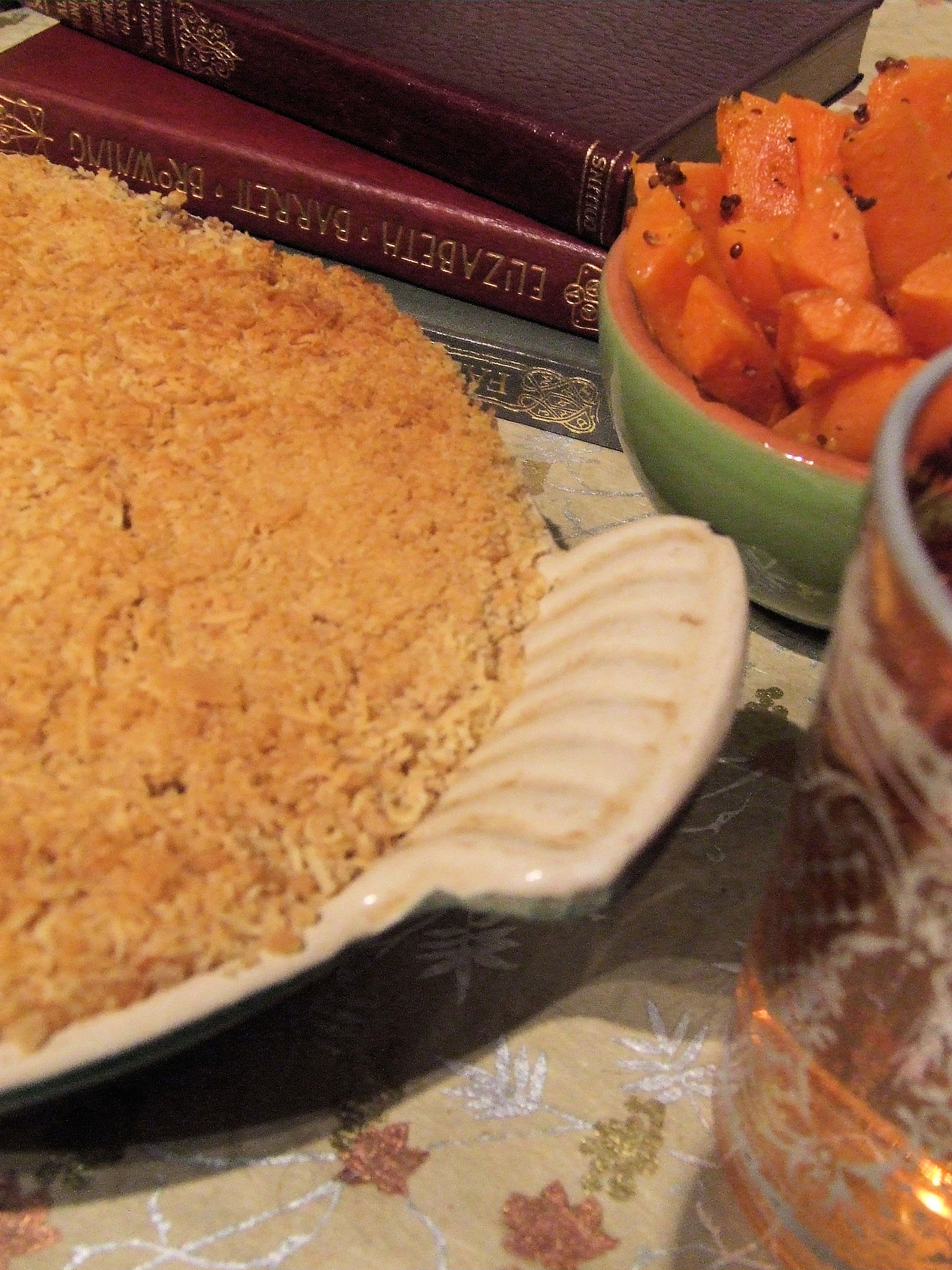
Summer is some way off – need something warm and tasty bring comfort and lift the mood? This is a really nice fish recipe for using up any stale or spare gluten-free bread (if you have any that is!) Otherwise you could use shop bought gluten-free or rice crumbs, which is more easily available to you. It is warm and filling and not too hard on delicate malfunctioning digestive systems. Fish is not cheap these days but this dish works well with smoked river cobbler too which will help with the cost, tinned spinach is also a useful standby to use. If you suffer from bloating from resistant starches you could make the dish without the breadcrumbs if you wish.

 IMG_0858

Ingredients

1/2 packet of gluten-free/wheat free bread crumbs

2 smoked haddock or river cobbler fillets

1/2 pint of lactose free skimmed milk

3 teaspoons of corn flour

10 g of margarine

1 teaspoon of freshly grated nutmeg

25 g Gruyère

12 g of parmesan

1 tin of spinach

Method

Make the sauce, melt the margarine and add cornflour mix to a paste and slowly add milk till all the flour has been incorporated and add grated nutmeg, Gruyère and salt to taste. Mix till thickened, cool.

Wash the spinach and layer in the bottom of an oven proof dish, cut the skin off the fish and add a layer on the top of the spinach. Coat the fisn layer with the cooled sauce. Add salt and pepper to the dish.

Sprinkle breadcrumbs on the top of the sauce and cover with the grated parmesan.

Cook in a preheated oven at gas mark 5 or 180ºC. Serve with mustard carrots (roast carrots with a small amount of garlic infused oil and grained mustard.)

DSCF1224mod

Rectal Bleeding – A discussion about possible causes

A nice post about the causes and investigations of rectal bleeding.

Dr. Scott Rennie's avatarDoctor Rennie's Blog

Colon-Endoscopes
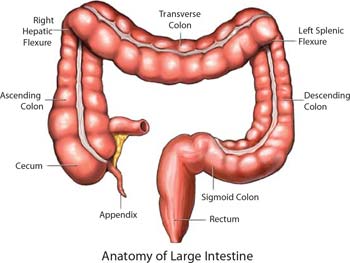
anat_colon_1.0


Photo credit:  http://www.naturalhealingsolutionsllc.com/learn-about-colon-hydrotherapy.html

Photo credit:  http://www.thenurseslockerroom.com/2013/03/sigmoidoscopy-screening-test-for.html

One of the more common problems that bring patients into the doctor believe it or not is seeing blood in the toilet, on the stool or on the toilet paper after having a bowl movement.  Since I’ve had a few patients recently who have come in because of this problem, I thought I’d discuss some possible causes.

Healthcare providers take this issue seriously because sometimes blood noticed after having a bowl movement can be a sign of colon or rectal cancer.  Fortunately, most of the time the causes of rectal bleeding is not cancer however.

Causes of rectal bleeding:

1)  Hemorrhoids:  Swollen blood vessels can occur in the rectum or anus and cause itching and/or pain and can sometimes bleed.  Usually hemorrhoids produce a blood that is described by patients as being a…

View original post 858 more words