It’s a FODMAP free fishy friday

fish fridayDo you eat fish on Friday? Do you know where this tradition came from?

I think one of the most comforting foods during dank winter days is fish pie. It is warming, comforting and can be a really healthy option too. Great to come home too after work when you need something tasty and filling after a full week at work a great start to the weekend. Now our usual fare on Friday is pilchards on toast – but I will bring you this delight some other time.

Ingredients
DSCF0937mod

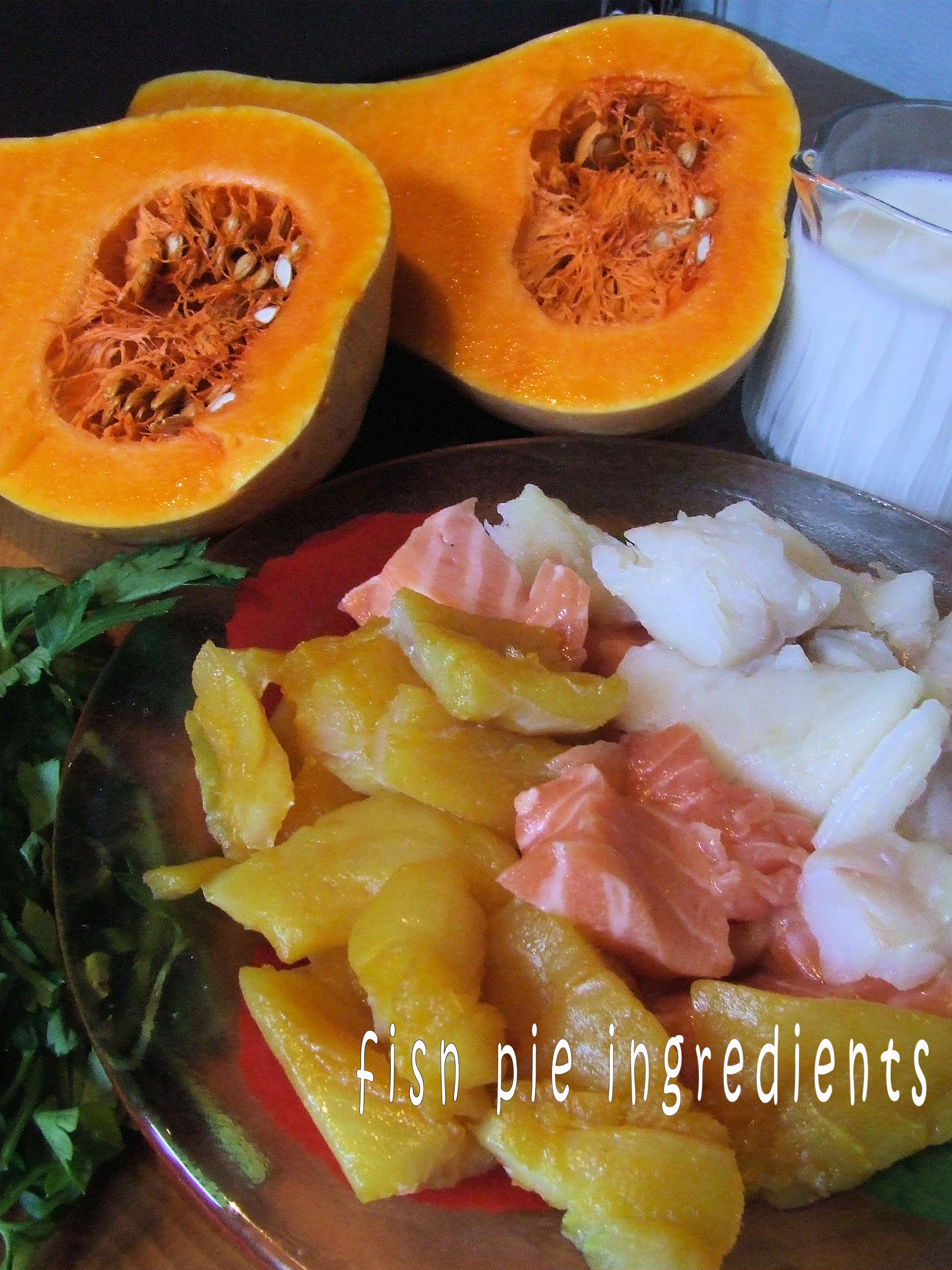
300g mixed fish, this can be purchased from supermarkets already prepared, use a white fish, a smoked fish and salmon.

2/3 pint of lactose free milk

1 tablespoon of cornflour

1 1/2 teaspoons of mustard

Small handful of flat leaved parsley

salt

2cm piece of freshly grated parmesan

1/3 small Butternut Squash, 1 tablespoon of garlic infused oil, 1/2 lemon

600g of potato

1 tablespoon of margarine

3 tablespoons of lactose free milk

Method

Chop the squash, drizzle with oil and lemon and roast in the oven till softDSCF0956mod

Boil the potato

Mash the squash and potato with margarine and 3 tablespoons of milk add a small amount of salt

Add milk to a pan with mustard, parsley and mix cornflour with a little milk and add this to the pan – cook till thickened.

Add fish to a dish and pour over sauce till the fish is covered, keep remaining sauce to serve with the dish later.

Spoon on the mash, level with a fork and then sprinkle on the cheese.

Place the dish in the centre of an oven at gas mark 6, 250ºC for 25 minutes.

Serve with the warmed sauce.

DSCF0969mod

Stir fry beef low fodmap

gingergrind

This recipe is suitable for a Low FODMAP diet, lactose free, wheat free dairy free and some advice later will show you how you can modify this recipe suitable for Crohn’s and colitis too. Give it a go – also check out the following tool to help you monitor your symptoms of diarrhoea it is not a diagnostic programme so if you have a diagnosis and wish to know more read on…….

A new free online health programme and app called MyRhythm has just launched and is used to track your digestive health on the go discreetly and with ease. By inputting your food and mood, the app will draw up a monthly report, identifying certain triggers unique to the user for digestive upset.

Ingredients

1 tablespoon of Ginger, chopped

4 tablespoons of Tamari soy sauce

1 tablespoon of golden syrup

1 tablespoon of garlic infused oil (to ensure it is totally FODMAP free you need to purchase this)

1 pak choy

1 courgette

1 red pepper

1 spring onion, green part only

1/2 tin of bamboo shoots

250g of lean beef – cut into strips.

20131103_34modMethod

Chop ginger and add to a pestle with the golden syrup and garlic infused oil, grind to form a paste

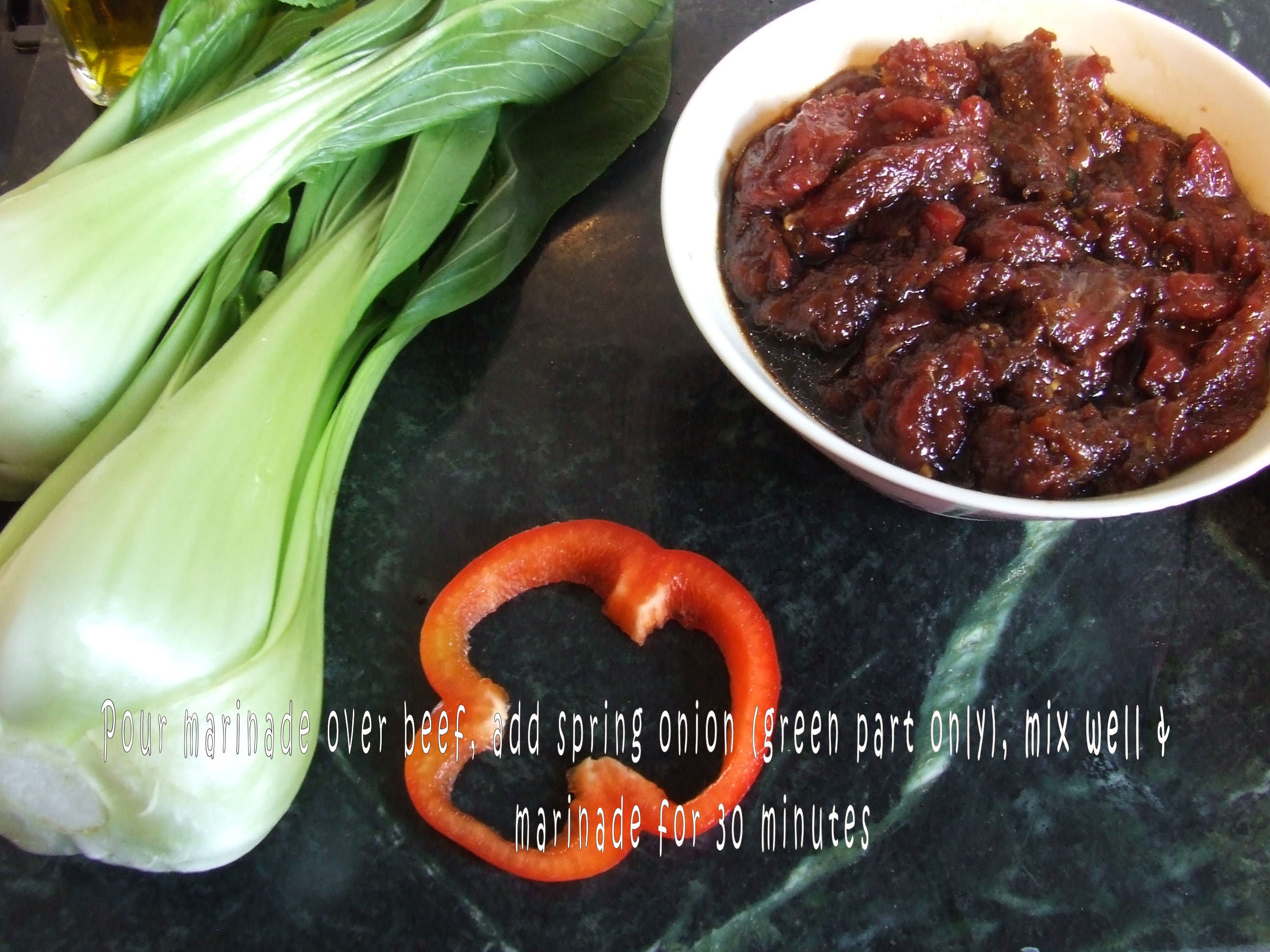
Add this to the beef and chopped spring onion pour on the Tamari, mix well and leave to marinade for at least 30 minutes.

Chop the vegetables thinly and heat a wok – I use a non stick wok so I don’t need to add any further oil to this to cook the meat.

Add the meat first and cook, then add the vegetables and keep stirring till the vegetables are cooked.

Serve with boiled rice – ensure you use freshly boiled  rice and eat whilst hot to avoid resistant starches, if this is a problem for you.

20131103_53modIf you have colitis and don’t tolerate red meat you can use chicken or fish to make this recipe. If you are experiencing diarrhoea symptoms and have been advised to have a low fibre diet, you will need to reduce the amount of vegetables in this dish, 1/2 carrot and 1/2 a skinned red pepper cut finely and cooked well will be adequate (boil for 10 minutes – boil the pepper whole for 10 minutes and the skin will peel away, before you put the vegetables into a wok) and use powdered ginger instead of ginger root to make up the recipe. Discuss the iron content of your diet with your dietitian or IBD team – do not be tempted to try iron supplements without discussing this with your doctor or dietitian, they can make symptoms worse. Low FODMAP diet is suitable if you are in remission (your inflammatory markers or CRP are normal) with your colitis and are continuing to experience symptoms, your dietitian can advise you how to use the diet, to see which foods result in symptoms.

20131103_57modFor Crohn’s to make this diet suitable for LOFFLEX you can use the modifications which have been suggested for the low fibre diet.

Please note I do not endorse any medication companies but this app tool might be useful – only use medications on advice from your healthcare professional.

Grains galore! Super? Or perhaps not……………

bread

It appears that we have some grains that are ‘super’ according to the blogosphere, now I am not necessarily a fan of super foods which are proposed to be better for you than standard foods, but it is great for people with food intolerances, allergies or autoimmune conditions to have more of a choice in grains. So an increase in the range of these foods might be a good idea. So what is the low down on these newly promoted grains compared with standard grains?

http://www.thehealthypress.blogspot.com

Freekeh (contains wheat, gluten and likely contains FODMAPs and resistant starches)

This grain is essentially toasted wheat using early harvested green grain. The grain is harvested early before it has fully ripened. This results in a higher protein content than wheat and the grain has a really nice texture and a nutty flavour it is based on durum wheat species. The grain has been produced in the middle east for some considerable time, it is an ancient grain! Therefore we are being sold a product, likely at a premium, that has been cultivated for many years. It is not the choice that anyone with a wheat allergy, wheat or gluten intolerance or people with coeliac disease should consider, therefore perhaps it isn’t as ‘super’ as you might first imagine! It is higher in protein therefore may be higher in gliadin (gluten type protein found in wheat.) It might also be higher in resistant starches, good for those people who want to have a high fibre product to improve gut transit, but certainly not a perfect choice for those with digestive problems.

Quinoa (gluten-free, wheat free and Low FODMAP)

Could this grain be the answer, a true  super grain? Actually quinoa is not a grain as such. It has all the essential amino acids (building blocks for protein) that are required for health, so it is an excellent choice for vegans to ensure that the proteins needed in the diet are consumed. It is also good for people who have coeliac disease and irritable bowel syndrome and those who have a wheat allergy (labels still need to be checked for contamination unfortunately) Getting more interested? I certainly am, however the only drawback is the expense of the flour  – a whopping £5.75 per kilo, wow. As a grain it can also be challenging to produce recipes using the product, but it does taste nice when done well. I have not yet tried cooking with the flour, I can’t get over how much it costs. If anyone can find a cheaper UK source I might be tempted to send for some and give it a try for you.

Buckwheat (gluten-free and wheat free)

Despite it’s very confusing name this grain is not a wheat grain, it is related to rhubarb. Again this grain has a similar level protein to wheat at 12% and contains 90% of the amino acids needed for health. This grain makes great pancakes but I have not had the experience of using it to cook other recipes. Buckwheat can cause allergies in its own right and single cases of anaphylaxis have been reported in literature, but it is likely a rare occurence, more prevalent in countries that use it as a staple food. It is a great choice for those with coeliac conditions and wheat allergy.

Spelt (contains wheat, contains gluten but Low FODMAP)

Again this is an ancient wheat grain containing a lower level of fermentable carbohydrate however spelt pasta is not lower in FODMAPs – just the flour. This needs to be 100% spelt and it is better to choose bread made from spelt that has been made using the sourdough process. I have cooked with spelt flour and dishes produced have a nice texture and I have not had any failures with this flour. It could be a choice for those who have problems with fermentable carbohydrates but those with wheat allergy, gluten intolerance or coeliac disease should avoid this grain. Unfortunately there is a lot of misinformation about this grain, in general by people who do not understand the requirements of the gluten-free diet. People can believe it is suitable for those with coeliac disease because it has a lower level of gluten, however it is NOT gluten-free. I am not aware of any published information on what level of gluten needs to be avoided for those with gluten intolerance, therefore this flour may need to be avoided by those people with non coeliac gluten intolerance also.

image from Wikimedia

Codex wheat (contains wheat, possibly FODMAPs but very very low gluten, therefore essentially gluten-free)

Codex wheat has been developed to replace wheat flour for people suffering from coeliac conditions, it is used in the UK by manufacturers of gluten free foods and generally for foods available on prescription, although its use in foods generally available to all is growing. The gluten content of wheat is processed by washing to remove the gluten and the wheat is then tested to ensure the content of gluten does not exceed guidelines. The benefit of codex wheat is that the texture of foods using the flour is a close approximation to those of normal wheat and therefore palatability is improved. It could contain fermentable carbohydrates, although what effect the washing process has on fermentable carbohydrates is not known for all available supply, the amount of fructans it contains depends on the type & processing of the bread, so it might not be a good choice for those with fructans intolerance. A recent research report by Whelan (2011) tested the fructans content of codex wheat and found variable amounts. It does contain wheat therefore it is not suitable for those who have wheat allergy.

Teff

Teff is an ancient Ethiopian grain that is gluten-free. It is widely used in gluten-free flour mixes and is a good choice, contains  13% protein and again an excellent amino acid profile, containing all the essential amino acids. The fructans and fodmap content of Teff is not known, but it is generally used in flour blends and gluten-free breads are generally tolerated by most people following the Low FODMAP diet although it has not be tested for FODMAP content.

Tricale

Tricale is a mixture or hybrid of wheat and rye grain. It is therefore not suitable for people with coeliac disease. The amount of fructans it contains is unknown, therefore it’s suitability for the low fodmap diet is unknown, however rye has high levels of fructans so it is probably best to avoid this grain. A Wiki article suggests the protein content is higher than wheat but the glutenin content is lower, but this does not mean it is suitable for use for those who have problems with wheat.

Kamut

Similar to Freekah, this is a middle eastern ancient grain, it’s true name is Khorasan, Kamut is a brand name. The grain manufacturers website suggests that this grain is high in selenium, this depends very much on the soil the grain is grown in. It contains wheat and gluten. It has a protein range of 12-18%. The companies nutritional analysis data can be found here:

Kamut nutritional information

Again fructans content is not available for this grain.

Updated 22.11.14

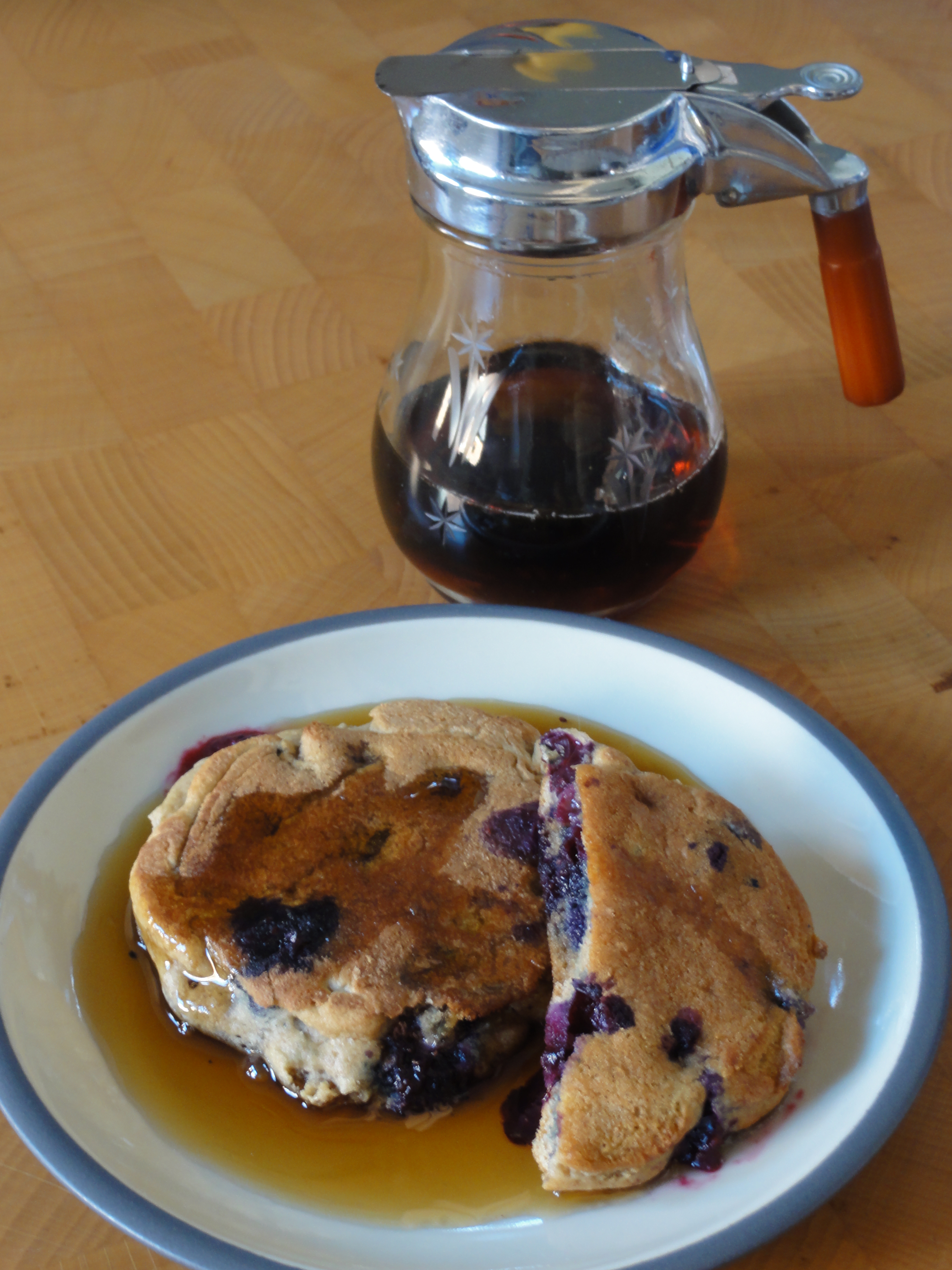
Buckwheat blueberry pancakes with maple syrup

Don’t be mistaken – buckwheat is not wheat, it is related to rhubarb and is therefore suitable for a gluten-free , low lactose, wheat free diet. Buckwheat is used widely in Europe and makes the most wonderful pancakes, hence the following recipe. I also find that blueberries make a very tasty addition to pancakes, cakes and biscuits. So an occasional treat for a special breakfast – these pancakes won’t be around for long!

DSC00595Ingredients

2 eggs

175g Wholegrain buckwheat flour

1 teaspoon of bicarbonate of soda

2 teaspoons of cream of tartar

300ml of lactose free milk (or other dairy free alternative)

200g fresh blueberries

2 tablespoons of castor sugar

salt

spray oil to fry

maple syrup to serve

Method

Mix together eggs and milk.

Weigh out buckwheat flour, bicarbonate of soda, cream of tartar and salt. Mix together and add to the milk & egg mixture and mix well.

Add blueberries and mix well.

Spray oil into a non stick frying pan and drop some of the mix into the pan and turn when the base is cooked. Remove from the pan and place in an oven at gas mark 5 till cooked through.

Serve whilst still warm with maple syrup.

The pancakes are not too sweet but are obviously sweet when the syrup is poured over!

**Please be careful and DO NOT try to eat these when hot from the oven – the blueberries get very hot and will burst and leak hot juice if eaten too soon** Also buckwheat has been the cause of some allergic reactions, so if you have not eaten it before just try a little to start with.

Updated 22.11.14

Pork steaks with a sweet southern twist plus fried green tomatoes Low FODMAP (contains fructose)

I have always wanted to try fried green tomatoes ever since I watched the film ‘Fried Green Tomatoes at the Whistle-stop Cafe‘. It is one of my favourite films starring Kathy Bates and Jessica Tandy, it has a complex plot but is worth watching. Well, on Saturday I bought some green tomatoes and decided I would finally give it a go! I also bought some pork steaks so here is the recipe:

IMG_1833Pork Steaks

2 pork steaks

1 tablespoon of golden syrup

1 tablespoon of garlic infused olive oil

½ teaspoon of paprika

½ teaspoon of ground allspice

1 large sage leaf

3-4 strands of thyme

Salt

1 inch piece of ginger

Method

Chop the herbs and ginger and mix with golden syrup, garlic infused oil, paprika, salt and allspice.

Rub this mixture into the pork steaks.

I cooked this immediately but it will probably benefit from marinading for a couple of hours.

Cook in the oven at gas mark 5 for 1.5 hours (the longer the better really to ensure the pork is really tender.)

Fried green tomatoes.

4 green tomatoes

Gluten free flour

1-2 eggs

maize meal

salt & pepper

Garlic infused oil

Method

Slice the tomatoes and dry them between pieces of kitchen paper.

Put the gluten-free flour on a flat plate and season with salt & pepper

Crack the eggs into a dish and beat with a fork

Put the maize meal onto another flat plate and season with salt & pepper.

Dip the sliced tomato into the gluten-free flour first, then egg and finally into the maize meal. Coat thoroughly with each dip.

Fry the tomatoes in a little oil till golden.

I served both these dishes with a little boiled rice and tomato with rocket.

According to the reviews I read on the internet before I tried this dish people have lots of memories of eating fried green tomatoes cooked by their mothers and grandmothers. I am sure I cannot give this dish the taste that someone who has cooked this for family for years. But I have to mention that it is a dish that doesn’t seem to be worse for using gluten-free flour – in fact I think by using a rice based gluten-free flour blend, the crispness may be better than the original!

Bonsoir mes amis voules-vous des Madeleines sans gluten? Milk free, low FODMAP.

IMG_1818 These little plump cakes are easy to make and are just the ticket if you want to have a little something sweet but don’t want to go overboard on calories, they are gluten-free, low fodmap and milk free. The secret is to eat one! I love France, particularly Paris I have been twice and still would love to go back. Here is the recipe:

Ingredients

130 g  Castor sugar

2 medium eggs

Grated rind of 1 lemon + juice of 1/2 lemon

225 g of gluten-free self-raising flour

120 g of dairy free margarine

Horse statue outside the Musee d’Orsay

Method

Add the castor sugar, lemon juice and eggs to a bowl. Whisk over a pan of warm water until at least double the volume.

Melt the margarine and add the grated lemon rind, pour into a measuring jug.

Drizzle the margarine slowly into the batter and continue to whisk, then add the flour and mix slowly with a metal spoon until it is fully incorporated.

Allow the batter to cool and put a heaped teaspoon of batter into a Madeleine tray. Cook at gas mark 6 until risen and golden.

Remove from the tray and cool – makes about 18.IMG_0923

IMG_0881