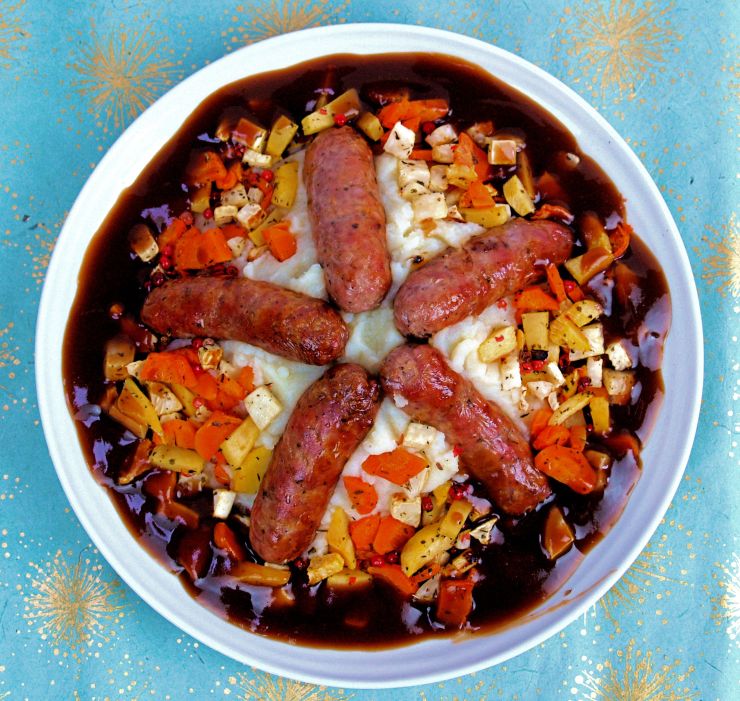
Gravy, mmm, this is what most low fodmapers miss the most. I have found a ready-made beef stock from Atkins & Potts https://www.atkinsandpotts.co.uk/products/stocks-gravies/17-stocks-and-gravies/P2724-beef-stock it does contain lemon juice concentrate, but as the stock ingredients consist of only 5% of the end product, this is unlikely to prove problematic. Not all of their products are suitable for the low fodmap diet, but this beef stock is handy and not too expensive compared with other specific low fodmap products. Some of you may notice there are only five sausages in the picture – hubby couldn’t wait and ate one of then during the preparation!
Ingredients
Gravy
1 pack of Atkins and Potts beef stock
2 teaspoons of gluten-free flour
Sausages
6 Gluten-free sausages (check other ingredients for fodmaps such as onion)
Vegetables
80g carrots
80g swede
80g celeriac
Spray oil
1 teaspoon of Italian mixed herbs
Salt to season
Potatoes
300g potatoes
salt to season

Method
Prick and grill the sausages for 20-25 minutes until cooked
Peel, season and boil the potatoes in salted water for 20 minutes and mash
Mix the 2 teaspoons of gluten-free flour with water to make a paste and add this to the beef stock in a pan, keep stirring and cook until thickened to your preferred thickness, add hot water if it is too thick for your taste.
Peel and chop the vegetables and spray in oil. Add the peppercorns and herbs and roast in the oven – gas mark 6, 200 degrees C until soft.
Combine and enjoy before venturing out into the cold for bonfire night!






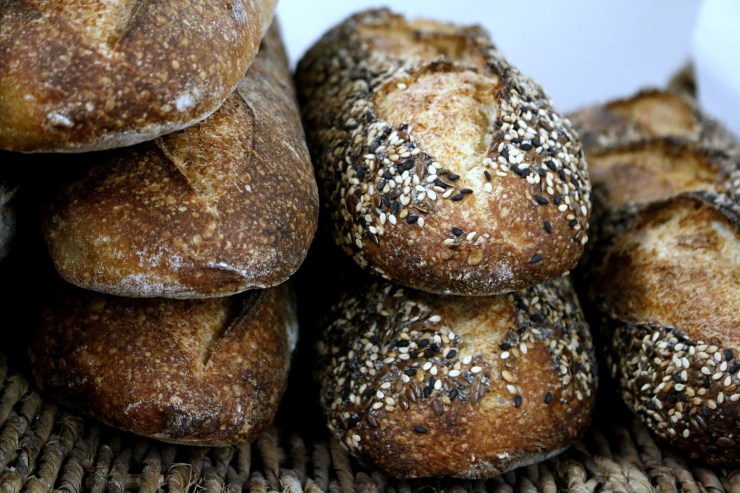
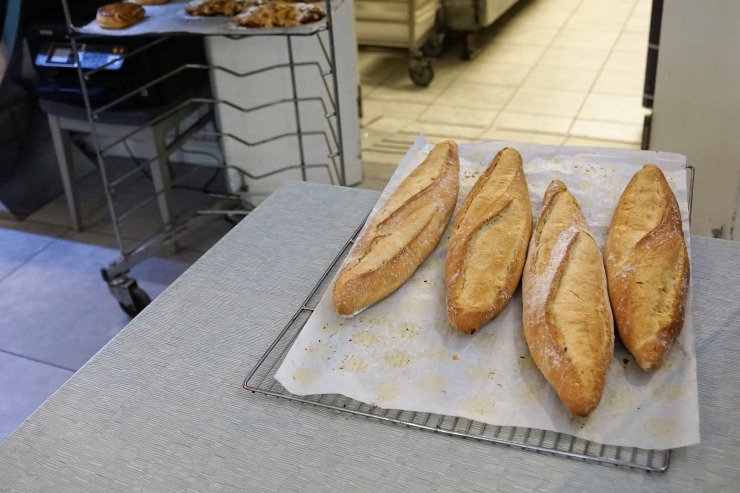
 In the past bread was made locally and bakers were part of the local community. When industrialisation arrived, bread, needed in large quantities as a staple food, soon was produced in factories, one of the possible reasons was because it was terrible work – bakers had to rise early and work hard to provide the daily loaf for their community. Is industrialisation the cause of bread symptoms? Many blame the Chorleywood bread making process and fast fermentation – but harking back to the bread of the past does not always leave a rosy glow. Adulterating food with cheap ingredients was commonplace in Victorian history, alum (aluminium salt) was added to the dough to improve it’s colour and was thought to be one cause of Rickets, by reducing the availability of phosphorus, leading to decreasing its absorption from the diet.







 Clinical Alimentary