“Read your labels” – retrospectively is no good! A reflection, a survey and slight feeling of dietetic hypocrisy.

It’s Saturday, I wake and stumble down the stairs bleary eyed, hairdo that wouldn’t look amiss on Edward Scissorhands. Cat’s breakfast is made first and then I make my morning cup of tea. First mistake of the day, I use cows milk – damn, now my inner consciousness devil voice starts to say “it’s only a splash of milk can this make a difference?, go on drink it” I think for a couple of seconds and decide that I will make another cup of tea with lactose free milk, then I make my porridge, again with lactose free milk. First critical lapse incident managed, cool!

Now for the confession. On Saturday I like to go for a coffee at a cafe and have my weekly treat a small biscuit or cake with my coffee. Now I asked for lactose free milk coffee  – ok so far, and then chose a coconut macaroon, wheat free – I did enquire if this was the only wheat free choice and I was told it was. Now, I’m not that fond of macaroons but it was the only choice, so I bought it and sat down to drink my coffee and read the paper. The more savvy of you here will be shouting at the screen “DID YOU READ THE LABEL?”, did I? Well, err, (feeling REALLY sheepish) not before I had bought it and certainly not before I had eaten a good portion of the biscuit :-(. I then decided unconsciously to take a peek at the ingredients list. This is where I was totally disappointed with myself because guess what? Yes!! Someone had added a FODMAP to my biscuit. SORBITOL of all

I don’t go this far! No finger wagging in my clinic.

things, in my biscuit, I felt so disappointed and really guilty of hypocrisy. You may be wondering why I feel hypocritical, well, in my clinic when I see people who have to use special diets reading labels is very important. When it gets to this part I furrow my brow and look quite serious and say “reading your labels is very important to following your diet and here is a list of what to look for”. People often say when I see them again that they have made mistakes and a good proportion of those are through not looking at the label. I suggest to them that this is part of the learning experience and then the advice is then reiterated, read the labels FIRST, before you buy and certainly before you eat.

So, I have joined the ranks of people who make retrospective label reading mistakes, perhaps this is a normal part of changing your diet and maybe everyone does this? At least I suppose you read it to see and are then aware of your mistake, but the damage is already done. It really makes you consider human behaviour in this, why would I do this now, when I was successful earlier on in the day? Was it because earlier I had another choice available, do you think? How many of you make this mistake – perhaps we could do a survey?

Survey is anonymous and will close in 1 month – if you wish to know more check this out  http://polldaddy.com/privacy/ or contact Polldaddy directly http://polldaddy.com/about/
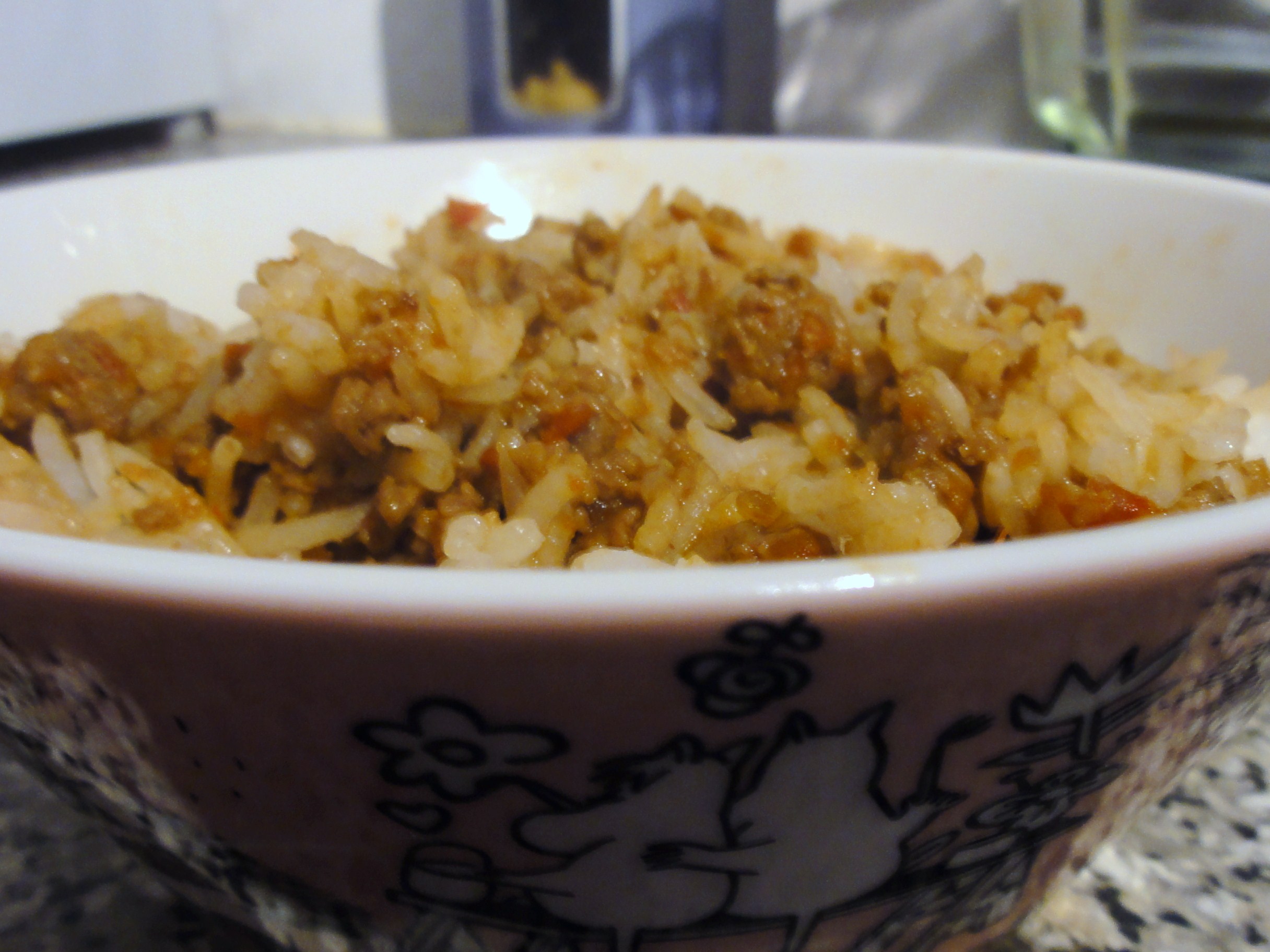
Midweek Low FODMAP special veggie chilli – A warming meal for chilly nights!

Wednesday evening – midway through the week and always a night to have something different. So I decided to trial a Quorn meal using Quorn mince. Here is the recipe

1 400g packet of Quorn

4 red bell peppers

1 tablespoon of garlic infused oil

1 teaspoon of cornflour

1 teaspoon of cumin

2 teaspoons of chilli powder (hot, hot, hot) if you prefer it less so, use less chilli! Watch this if you find spicy food tends to make your symptoms worse.

salt to taste

Slice the pepper roughly and spread on the oil, roast for 10-15 mins and then add to a food blender with a little water and blend till a smooth sauce is achieved.

Add this to a pan and then add the Quorn, spices and salt. Mix well

Cook for five minutes then add the cornflower directly to the pan.

Cook for 10 minutes and add salt to taste.

Serve with fresh boiled rice.

We are mid month and moving rapidly towards Halloween, and then plans for Christmas. Time seems to go so quickly and the nights are drawing in. It will soon be time to turn the clocks back and you really are aware that we are truly in Autumn. https://plus.google.com/118333009720408143699/posts/h1bkMSMDZt1

I remember how to do this by the rhyme – fall back spring forward, fall is an American word for Autumn but it does seem to work in reminding me which way to change the time. The date is 28th October this year – learn about time changes here:-

http://wwp.greenwichmeantime.com/time-zone/clock-changes/

I thought this card was very funny! From www.someecards.com

Food, mood and improvement in gut motility? Low FODMAP, wheat free, dairy free, egg free.

So it begins, the Low FODMAP adventure – a tale of gut calming peace. Ready for the story? It began by eating out, but now I am happy to be home, then I can choose myself what to cook for my hubby and myself. Yesterday the weather had been appalling, back in the Pennines again and guess what? It’s raining again, not the raging downpours that happened over the summer, but a depressing drizzle – the drenching sort with no passion, it is so fine it may as well not be happening. But obviously it is, as my returning husband can contest, after going for a run he was soaked to the skin. Food and mood, now that’s interesting – shall we cook something to lift it? (Your mood that is!) Serotonin is a happiness chemical, it is made from tryptophan (an amino acid – building blocks of protein,) by your body and this chemical can lift your mood. It is also suggested that serotonin in the large intestine can help with constipation by increasing the speed the gut moves – some people with IBS-C are deficient, apparently. This seems to be one of the reasons why a low dose of antidepressants can be beneficial for IBS, it increases the amount of serotonin in the gut, thus increasing motility. Can this be done with food, I wonder? Food is better than taking pills, but we don’t have any evidence that food high in tryptophan can increase the levels of serotonin or improve a slow digestive system, so no point in taking this amino acid or foods high in tryptophan to try, until we do. See your doctor if you want to try a drug to help. It’s an interesting hypothesis though – don’t you think? I wonder if anyone will consider trialling it?

Meal

2 Mackerel

brown rice (120g)

2 tablespoons of pine nuts

1 sprig of mint

Juice of 1/2 lemon

Salt to taste

1.5 pieces of celery

Spray oil

Serves 3 people

Place the rice in a pan and cover with water, add a small pinch of salt, bring to the boil and cook till soft – this will take at least 40 minutes, watch the pan to ensure it doesn’t boil dry – boil a kettle and add more hot water to the pan if needed.

Wash and prepare the mackerel and grill for 10 minutes on both sides till cooked.

Put both the pine nuts and chopped hazelnuts on a tray and put in an oven to toast, watch this closely as it can easily burn.

Chop mint and squeeze lemon.

Add Lemon, mint and nuts to the rice and mix well.

Place the celery in a dish and spray with oil and cook in the oven for 15 minutes until cooked.

Serve and eat!!

Brown rice contains B vitamins, omega-3 oil is in the mackerel and both contain tryptophan – all nutrients suggested to improve your mood, but the main thing here is that this meal is low in FODMAPs, tasty and hot – what other reasons do you need to tuck in?

http://www.ncbi.nlm.nih.gov/pmc/articles/PMC2652519/pdf/nihms76319.pdf

http://www.nuh.nhs.uk/media/11284/Food%20and%20Your%20Mood.pdf

Low FODMAP on a budget – how to make the diet more affordable

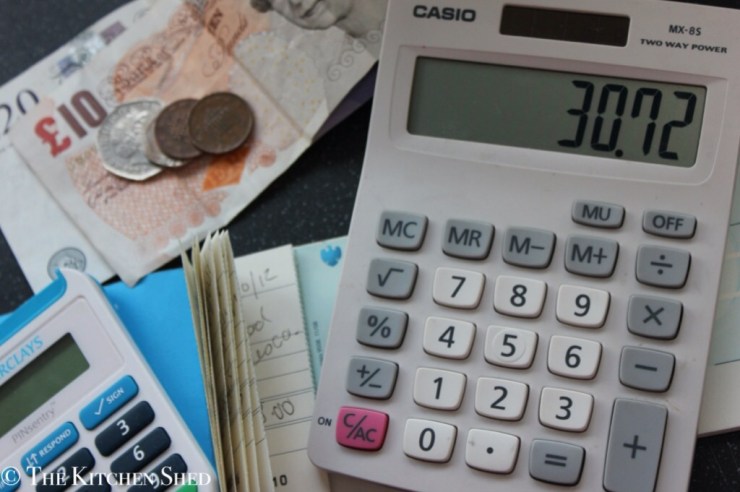
One factor I have noticed about this diet is the likely increase in food costs, it is not possible to get gluten/wheat free foods on prescription in the UK. Free from food is expensive, no-one will disagree, so how can we make the Low FODMAP diet cheaper to follow?

Some of the vegetables and fruit allowed are not staple items, this also applies to the basic carbohydrates that are good to consider. It is important to have the full range of Low FODMAP foods to ensure you are receiving the full nutritional content in your diet your body needs to be healthy. But rising food costs are a problem currently, so help is required when you have been informed by your dietitian to try the diet to alleviate your IBS symptoms. So when shopping yesterday morning I thought about what to do to make the diet cheaper – here are some tips that might help:

1. Choose to buy in bulk, particularly the basic carbohydrates such as potatoes and rice.

2. If you have an ethnic supermarket close to where you live check out their prices for rice, they often have very large sacks of rice that are cheaper in bulk. This can mean a cost of £1.00-£1.20 a kilo – significant savings. Also check out bulk spice prices, again the saving can be substantial comparing with prices at the usual supermarket stocks. Some

supermarkets also are now providing bulk buy opportunities for rice.

3. Choose value items when buying fruit & vegetables, also some of the lower cost brand supermarkets such as Lidl and Aldi can have occasional offers of half price fruit & vegetables so watch out for these.

4. Remember misshapen fruit & vegetables taste the same and have the same level of nutrition and may be cheaper to buy.

http://www.telegraph.co.uk/earth/agriculture/farming/9572730/Wonky-fruit-and-veg-to-return-to-supermarket-shelves.html

5. Check out the offer shelves for items that are due to go out of date – it is normally obvious if fruit & vegetables are spoilt – check them thoroughly. You can make some real savings here.

6. Again check out for offers on free from items, they do occur and it is worth the outlay in time to watch for offers.

7. Base your diet on more cheaper carbohydrate basic foods, such as potatoes and make your own treats, this again may be cheaper than purchasing free from items.

8. Use your own flour blends, check out what is in ready-made wheat free flour blends and make your own this can also be better as some gluten-free blends do not always contain starches that are low FODMAP.

9. Utilise coupons, supermarket offers and trials of free from food items.

10 Plan your food for the week and shop accordingly.

11. Use as many UK basic food items in your diet as you can such as bananas, carrots, potatoes, oranges, lettuce, tomato (watch amounts if you are fructose intolerant,) cucumber, celery (1/4 stick maximum at any one meal.)  Also base your breakfast on cheaper own branded cereals – you can always add your own Low FODMAP dried fruit (a tablespoon or 13 g only) and nuts if you wish to.

12. If you do purchase wheat free bread, buy sliced, or slice it yourself and freeze what you don’t immediately need. This prevents wastage, also freeze other items you might not use initially. If you have a problem with resistant starches you might not want to freeze your bread – as freezing it can increase resistant starch content.

13. Utilise frozen and tinned fruit & vegetables, however be aware of what the tinned fruit juice is based on – you may be inadvertently adding a FODMAP to your diet, some have apple juice as a base.

14. Please don’t use ‘free from’ cook in sauces – these are generally not a great deal different from normal sauces, they may also contain onion and garlic. Make your own thickened with cornflour. Cornflour is simple to use to thicken sauces and it mixes into the sauce really easily.

15. Learn about your diet and look around the supermarket – the more expensive items will be on the free from shelves – alternatives may be available in other sections of the store.

16 If ordering on-line check out the delivery costs, purchase savvy to save on delivery costs.

17. Bulk cook recipes and freeze what you don’t eat.

18. Also make your own stock, when buying meat or chicken, cook the waste scraps and bones in water with a  carrot and herbs, allow to cool, skim off the fat and freeze in small amounts. Water from cooking vegetables can also be used in the same way if a vegetable stock is required.

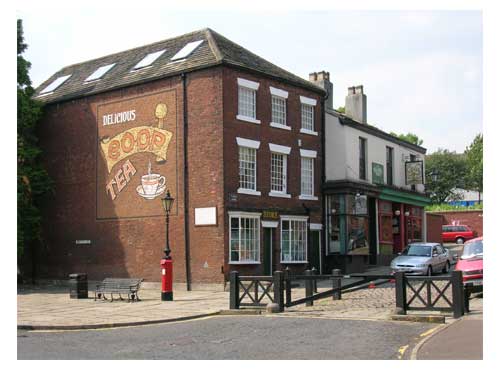
19. Share bulk items with friends and family to share the initial cost in purchasing – using the principles of the co-operative society, originating in Rochdale and still a good ideal to follow when money is tight!

20. Even if it means that you don’t start the diet immediately, plan well, planning may be the key to ultimate success and a feeling of achievement when you can do the diet within budget.

Updated Jan 2015


Mistake! – off the ball with the Low FODMAP diet

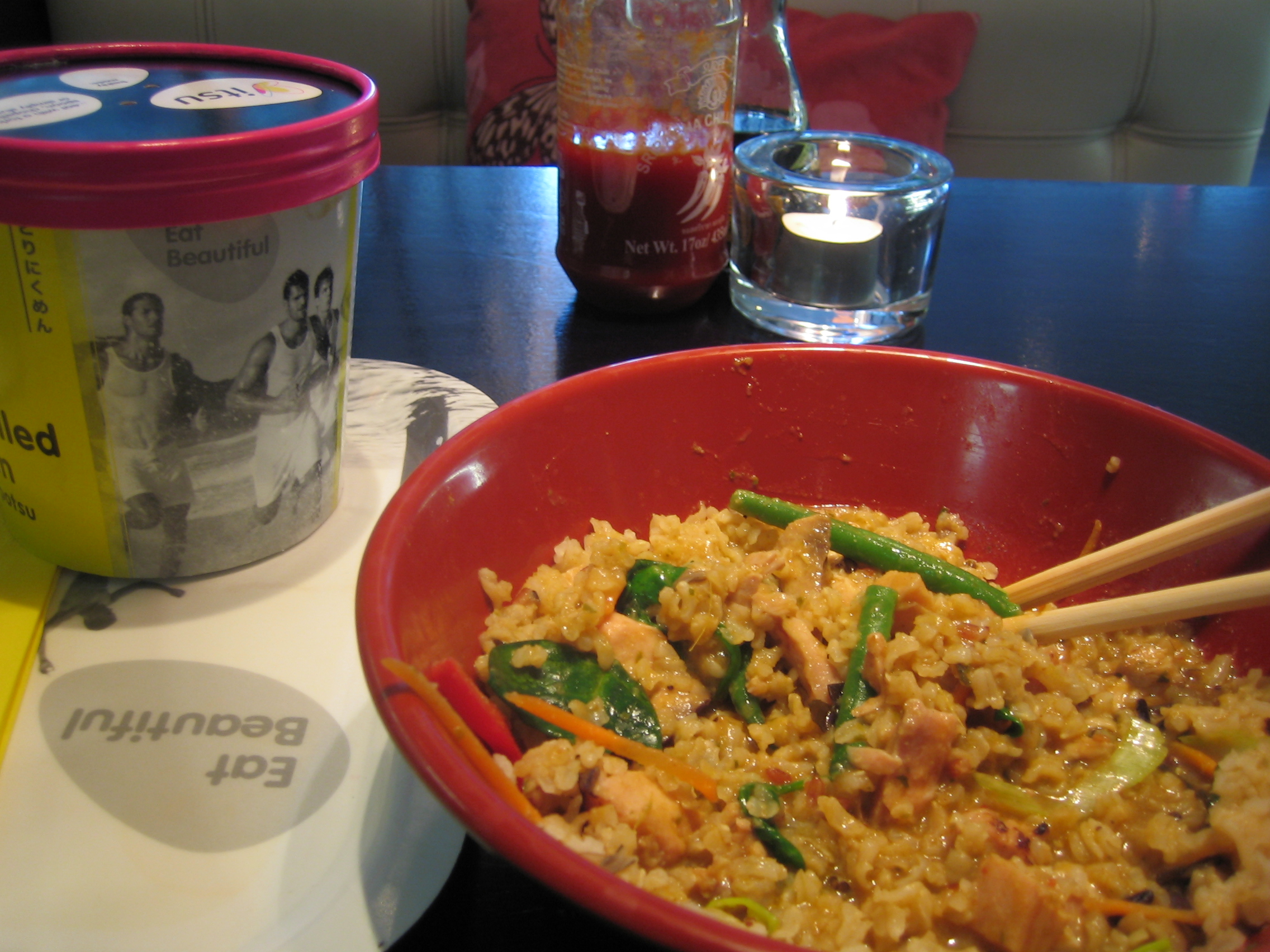
Decided to go to a japanese fast food establishment today as I suspected that following a low FODMAP diet might be slightly easier here, but I was mistaken and should have been more aware of watching my veggies! I asked about wheat but thought that I could perhaps pick out any vegetables that were not appropriate for the diet, I forgot about spring onion being a staple item. The green parts are OK, but the meal came with all parts of spring onion, cut small, which was impossible to pick out making it quite an issue really. So failed here big style and I knew I had as soon as the dish was served and I could actually see the problem. I also noted after I had ordered that the list of vegetables were on a notice board behind the service area, perhaps I should have been more vigilant, but I had been out all day so I was really tired. I was annoyed with myself but I suppose we can put this down to a learning experience. I am also wondering why most of the noodles available in the UK are wheat based? Surely you would imagine that as rice is the main carbohydrate in the east that rice based noodles would be more available, despite thorough searches at supermarkets the majority of noodles are based on wheat. Perhaps this is because our main stable grain is wheat – does anyone else have any ideas as to the reason for the lack of rice based noodles? Rice based noodles can be purchased from Chinese supermarkets and health food shops if you need to have them.

Breakfast – Low FODMAP

I have enjoyed staying at Bankfield House and although it was a little noisy up till about midnight, I really have no complaints to make about the room or facilities. The breakfast was the usual affair of cooked English or continental and a good choice was available. To follow a Low FODMAP theme I chose porridge, a banana, 1 tomato, bacon, egg & hash browns. Again this would not be my normal choice but I did enjoy it – I haven’t realised how much wheat I actually include in my diet until you begin to have to make alternative choices. When on holiday we usually eat a large breakfast and then go on till the evening meal, it is true that to breakfast like a king really sets you up for the day. I was so full that I even saved my banana for later.

I decided to go to the Pre-Raphaelite exhibition at the Tate Britain, no reproduction of any of these paintings can every do them justice as it is the light and reflection needs to be

Mariana by Millais courtesy of http://www.wye.co.uk

seen to be really appreciated. This was an excellent exhibition, but I have seen some of the paintings before in Manchester Art Gallery Most where most major artists are represented, including the great Pre-Raphaelites, Dante Gabriel Rossetti, John Everett Millais and William Holman Hunt. We are lucky in Manchester to have these paintings available most of the time but some of them, one is ‘work’ by Ford Madox Brown, will have been loaned to the Tate for their exhibition. If you are in London and feel like visiting, I would recommend it!

http://www.tate.org.uk/whats-on/tate-britain/exhibition/pre-raphaelites-victorian-avant-garde