Peppermint and IBS

Peppermint has a history of being used as a treatment for IBS. It is even used as a medication in a capsule that ensures it reaches the digestive tract where it is most useful. Peppermint, or more precisely menthol, relaxes smooth muscle and as our bowel is composed of layers of muscle fibres, peppermint can help relax the spasms that are a common symptom of IBS. Menthol activates cold-sensitive TRPM8 receptors in the mucosal tissues of the digestive tract, it is the primary source of the cooling sensation that follows the topical application of peppermint oil, this sensation is what is proposed to have an antispasmodic effect in IBS (Camilleri & Ford 2017)

Peppermint as a herb and food ingredient

So what about peppermint tea? There is no good systematic reviews or studies for this use of peppermint in IBS, but as a natural product it is less likely to have evidence, but some people do report that it does help them and they find it a useful to have means of including peppermint in the diet.

Peppermint is a suitable herb to use for the low fodmap diet. It can be used in low fodmap suitable recipes, such as the one below. According to Niki Segnit’s flavour thesaurus mint marries well with low fodmap foods such as peanut (particularly peanut butter – I am not convinced about this – but I am intrigued enough to give it a try) potato, beef, ginger, goats cheese, lamb, lime, melon (honeydew and cantaloupe), mackerel (and other oily fish), raspberry and strawberry. Not forgetting the ubiquitous marrying of dark chocolate and mint see a recipe here https://clinicalalimentary.blog/2017/11/24/chocolate-coated-peppermint-snow-peaks-low-fodmap-christmas-recipes/.

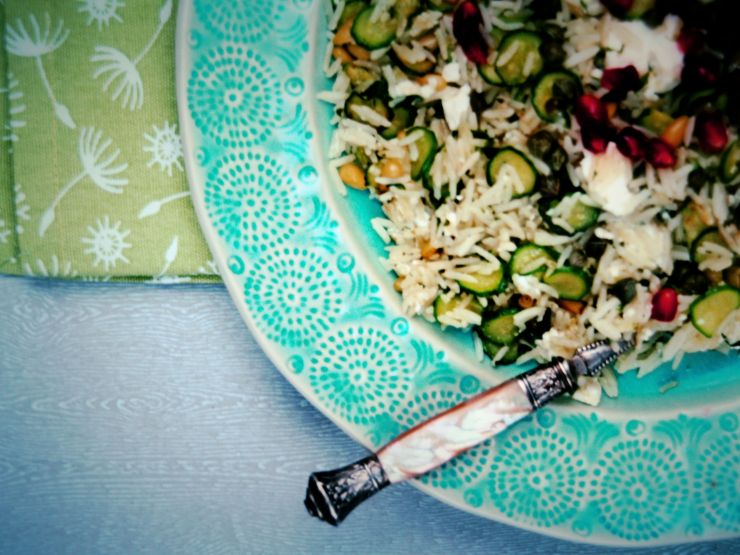
Warm feta and mint salad

OLYMPUS DIGITAL CAMERA

Ingredients

100g feta cheese

2 tablespoons pine nuts

200g cooked rice

25g finely chopped mint

1 tablespoon of olive oil

1 pack of small courgettes (or 2 large courgettes -works just as well!)

Caper flowers and a tablespoon of pomegranate are used here to decorate
OLYMPUS DIGITAL CAMERA

Method

Add the oil to a frying pan then add the pine nuts, chopped mint and finely cut courgette

Fry till toasted then add the cooked rice and blend well

Add chopped feta at the end of cooking and mix to warm through

Note the lack of salt added – feta is quite a salty so it is more than enough seasoning for the dish.

Serve warm or cold – marries well with grilled meat or just as it is!

Peppermint in medications

I am a dietitian and any medications should really be discussed with your doctor but as peppermint is a common food ingredient I don’t necessarily see a problem in looking at the evidence of peppermints use as an antispasmodic agent.

Peppermint is more effective than placebo for treating IBS (number needed to treat 2.5 – Ford et al 2008) with small numbers of adverse events with this medication but not all the reviewed studies reported on these. (Khanna R, Macdonald JK & Levesque BG 2014) completed a more recent review of the use of peppermint in IBS and again a moderate level of evidence of effectiveness was the reviews result which included a combination of data from 726 patients with IBS. With more side effects in the peppermint group of patients reported by these reviewers, although no data was given in the abstract, the effects were reported to be transient and heartburn was reported as the most experienced side effect. A more recent review (Camilleri and Ford 2017) suggested effectiveness of peppermint as an antispasmodic, with moderate evidence but also gave safety concerns for peppermint of reflux, heartburn, dry mouth and belching – and peppermint taste – presumably through reflux? Plus smell (not sure how this would be adverse though – it is in fact quite a pleasant smell on the breath) (Camilleri and Ford 2017.)

Why am I not surprised that heartburn is a side effect for some people with IBS? It is quite common for people with IBS to experience some upper gastrointestinal symptoms. As such, reflux and heartburn are included as symptoms checked for when using the Kings College validated symptom checklist, which I use in clinic. Again peppermint is a smooth muscle relaxant – so would it not relax the ring of muscle at the bottom of the oesophagus, leading to reflux symptoms?

All studies reviewed the short term effectiveness and suggested that more studies in the long term use is needed. Should you try a peppermint based medication? Certainly do if your GP/gastroenterologist suggests it, and the evidence based from systematic reviews suggest it is effective. But if you do suffer from IBS and reflux, another antispasmodic option might be a better choice, discuss with your GP or pharmacist, who can advise on use of peppermint and suitable alternatives.

Does peppermint ever cause any problems with allergy/intolerances?

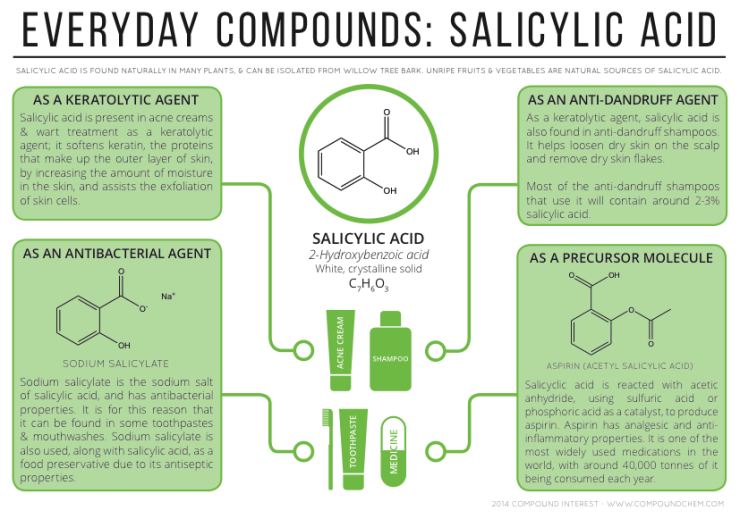
One case review reported on an anaphylaxis reaction due to an IgE mediated allergic reaction to peppermint (Bayat R, Borici-Mazi R 2014) – this is extremely rare. It is quite possible that other reactions may be causing symptoms for a very small number of people. Peppermint is a natural source of salicylate. Aspirin, as a form of salicylate, can occasionally cause allergic reactions, and people with aspirin allergy, asthma and nasal polyps can occasionally have a food hypersensitivity to foods naturally containing salicylate. This type of food reaction again is quite rare but symptoms could be mistaken for IBS. Do seek the help of a dietitian if you suspect this kind of food hypersensitivity, as often information about salicylate containing foods on the internet is often far too restrictive for any low salicylate diet to be implemented safely. Also it is often quite tricky to identify these reactions to foods so an experienced practitioner is important to seek advice from.
Chemistry-Salicylic-Acid
www.compoundchem.com

Alexander C Ford, Nicholas J Talley, Brennan M R Spiegel, Amy E Foxx-Orenstein, Lawrence Schiller, Eamonn M M Quigley, Paul Moayyedi, (2008) Effect of fibre, antispasmodics, and peppermint oil in the treatment of irritable bowel syndrome: systematic review and meta-analysis BMJ. 2008; 337: a2313.

Khanna R, MacDonald JK, Levesque BG. (2014) Peppermint oil for the treatment of irritable bowel syndrome: a systematic review and meta-analysis. J Clin Gastroenterol. 2014 Jul;48(6):505-12.

Michael Camilleri and Alexander C. Ford (2017) Pharmacotherapy for Irritable Bowel Syndrome J. Clin. Med. 2017, 6(11), 101; doi:10.3390/jcm6110101

Bayat R, Borici-Mazi R. (2014) A case of anaphylaxis to peppermint. Allergy Asthma Clin Immunol. 2014 Jan 28;10(1):6. doi: 10.1186/1710-1492-10-6.


Turmeric – medical jack-of-all trades, or just a great curry ingredient?

Chemistry-of-Turmeric
http://www.compoundchem.com/

Turmeric is a wonderful ingredient to add to a curry – it has also been exalted as a wonder food with lots of great benefits for health. Some of the more pervasive anecdotes with regards to turmerics ‘heath benefits’ are antioxidant, anti-inflammatory and anti-cancer effects and benefits for digestive health and IBS.

I have always had a bit of a problem with the anti-oxidant hypothesis in health, as an ex-polymer chemist, I was very experienced in protecting polymer products such as paints and adhesives from the effects of oxidation and environmental free radical degradation. This was not always easy to achieve – even the in simplest of formulations.

These free radical reactions do occur in our bodies – at a base level we are a very complex mix of chemical reactions and our bodies contain polymers. Turmeric is a polyphenol, and polyphenols do show anti-oxidant properties. With anti-oxidant protection, as a chemical reaction, one factor needs to be fulfilled – the anti-oxidant has to be situated at the site where the free radical reactions occur to be able to mop them up. Therefore any research involving turmeric in Petri dishes to observe it’s anti-oxidant (and anti-inflammatory or anti-cancer effects), or by feeding animals unsustainably large amounts may be very interesting, but far from proving it to be an effective anti-oxidant in our body. There is a problem with turmeric – it is very poorly absorbed in the digestive tract, it has poor solubility – therefore it would be difficult to transport it to the site of reaction. If the anti-oxidant cannot physically be transported to the site of free radical reaction, then it is clearly not possible for it to react! Until this problem is solved it is perhaps an entirely useless medical treatment, and of course, it needs to be studied in humans as a treatment, with randomized controlled trials and ultimately a systematic review. These problems can possibly be solved – by utilizing chemistry.

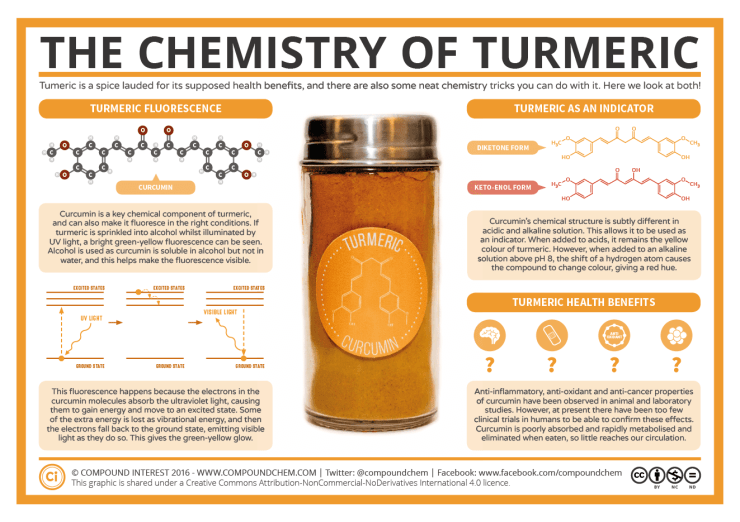
But…but…turmeric is ‘natural’, is the response, so therefore it is surely better for us than all those ‘chemicals’ in medicines? If you are going to use the anti-oxidant theory for the promotion of ‘alternative’ natural care, then you are buying into chemistry by using this as your argument. Spoiler alert – curcumin, the active compound in turmeric, is a chemical – see the infographic above. If it was effective it would be called a medicine, which may be possible in the future with lot’s more health research – but certainly, we are a very long way from this now. One research paper proposed turmeric as a jack-of-all-trades, in other words ‘useful’ for numerous health areas, which concomitantly also means master of none, an insightful figure of speech here, perhaps.

For digestive complaints, turmeric has a long history of use in Ayurvedic medicine as a compound which can be useful for indigestion, but with little strong evidence for effective use in either IBS or indigestion – just tantalizing pre-clinical trials and uncontrolled studies.

Past history has taught us that medicines are often derived from naturally occurring pharmacological plants, so research of turmeric should certainly continue – but we really shouldn’t be tempted to jump the gun with promoting turmerics alleged health effects, this is disingenuous.

So does turmeric have any benefits at all? Of course! Turmeric is low fodmap as a spice and can be used to flavour low fodmap recipes for people who have irritable bowel syndrome and imparts these foods with a very vibrant colour. If you are wanting a January ‘health kick’ from turmeric, or use it to ‘cure’ your IBS, then think again, but enjoying a great, warming, vibrant low fodmap meal made from turmeric, either low fodmap curry, or the low fodmap soup recipe below, in the depth of winter, is surely a sublime use of this wonderful spice?

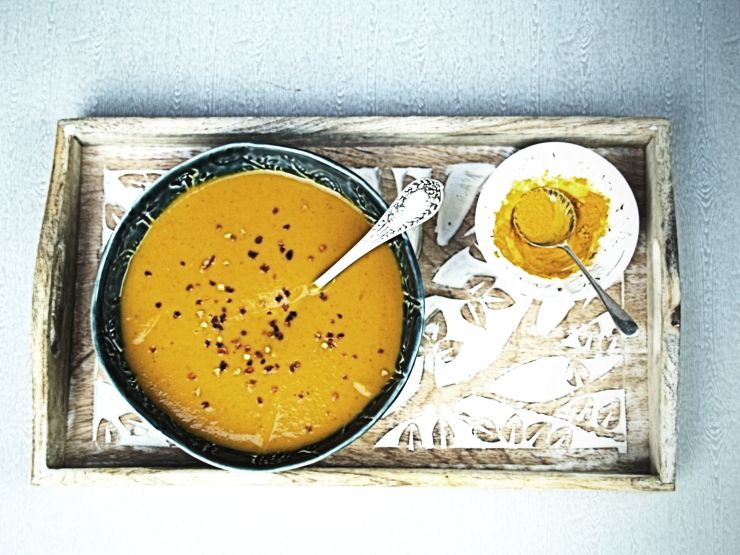
Carrot, ginger and turmeric soup

Ingredients

500g carrots

1 tablespoon of oil

1 teaspoon of Moroccan spice (Fodify)

1 teaspoon of ginger

2 teaspoons of turmeric

1500mls water

seasoning to taste

Method

Peel and chop the carrots

Fry the spices in oil to release the flavour

Add the water and carrots to the spices

Cook till the carrots are soft, then blend with a hand blender

Season

Serves 3-4

https://www.nhs.uk/news/cancer/curry-spice-kills-cancer-cells/

https://www.nhs.uk/news/food-and-diet/spice-for-mice/

https://www.nhs.uk/news/food-and-diet/could-curry-spice-boost-brain-cell-repair/

https://link.springer.com/article/10.1007%2Fs11894-016-0494-0

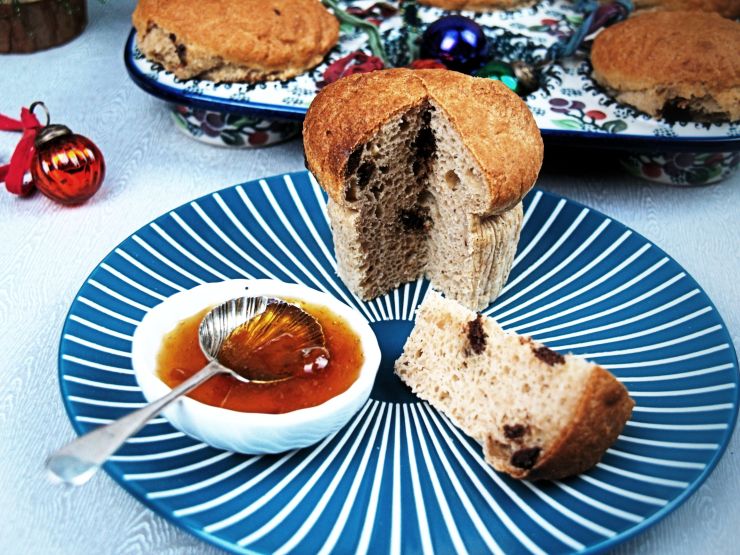
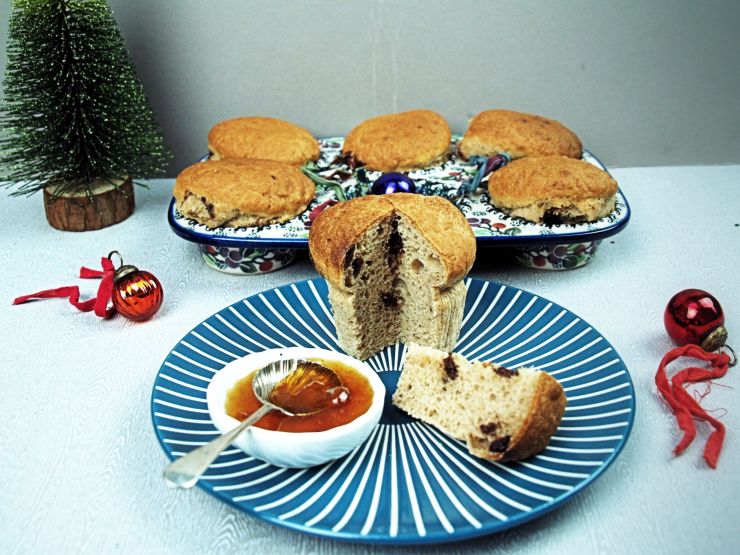
Mini chocolate orange panettone – low fodmap

This is an ideal Christmas recipe for low fodmappers who want to have a festive bread without marzipan and probably one of the only bread recipes that I have managed to produce that has risen well! It is based on an enriched bead dough mix produced using a standard purchased bread flour.

OLYMPUS DIGITAL CAMERA

Recipe

250g gluten free bread flour

150g dark chocolate chips

2 teaspoons of orange oil

2 eggs

1 tablespoon of oil

1 teaspoon of vanilla

1 pack of fast acting yeast

1 pinch of salt

1 small pinch of cream of tartar

50g of castor sugar

1 teaspoon of cinnamon

1/4 teaspoon of cloves

1 teaspoon of ginger

1 teaspoon of mixed spice

400ml of warm water

OLYMPUS DIGITAL CAMERA

Method

Add the flour, spices salt and dark chocolate chips to a bowl, mix.

Separate the yolk from the white of the eggs.

To the white add a pinch of cream of tartar and whisk till peaks are formed, adding 25g of sugar half way through, then add the rest when soft peaks are formed.

To the yolks add the oil, vanilla and orange oil

Start adding the water to the dry ingredients and mix with a hand mixer. Then add the yolks.

Fold into the mix half the beaten egg whites quickly to slacken the mix. The gently fold in the rest of the egg white.

Add to bread tins and leave in a warm place for 30 minutes to rise. Cook in a warm oven (200˚C, Fan 180˚C, 400˚F, Gas 6) for 30 minutes until cooked.

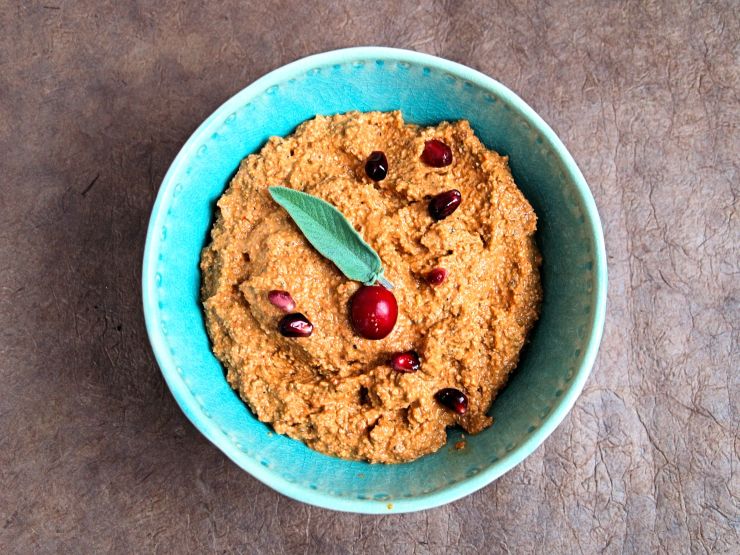
Vegan Pate – Christmas starter Low Fodmap

This is a spiced vegan pate starter – a really nice way to begin Christmas lunch. It has lots of seasonal flavours to remind you of the traditional Christmas. Being very easy to make it will take no time at all for you to prepare. Entertaining guests can be challenging so this dish can be prepared in advance and refrigerated till the 25th or perhaps used as a nice supper dish on the 24th if you prefer.

OLYMPUS DIGITAL CAMERA

Ingredients

100g pecan nuts

1/2 preserved lemon

1/2 teaspoon of cinnamon

1/2 teaspoon of mixed spice

1 teaspoon of oil

4-5 sage leaves

150g roasted peppers (you can purchase these ready prepared from most supermarkets)

100g gluten-free breadcrumbs

season to taste

OLYMPUS DIGITAL CAMERA

Method

Cover the pecan nuts with boiling water and leave to soak for a few hours till soft .

Add the oil to a pan and fry the spice a little to release the flavour.

Then add all the ingredients to a food processor and blend well.

Serve with toasted gluten free bread

Serves 4-5

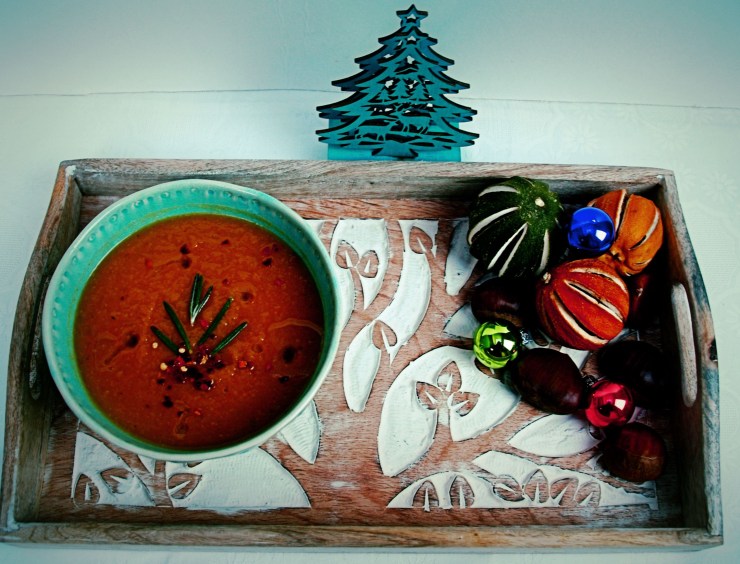
Chestnut, carrot & celeriac soup – low fodmap Christmas recipes

Having guests around for Christmas lunch and wondering what to serve for a starter? This recipe is a tasty soup, suitable for vegan low fodmappers and has Christmas flavours with mixed spice. I have been using my copy of the flavour thesaurus by Niki Segnit, a gift for my birthday, and this marries chestnuts with carrot, celery (celeriac is a low fodmap food with a similar flavour to celery – a good substitution) carrot and rosemary and yes, this really works. It is a slightly sweet, winter roots flavour with a light addition of spices. Your guests will never know you have a low fodmap starter for them that is really easy to make and really tasty!

OLYMPUS DIGITAL CAMERA

Ingredients

200g celeriac

500g carrots

200g cooked chestnuts

1/4 teaspoon of mixed spice

10 g rosemary

Drizzle of hazelnut oil

Some chilli flakes (if tolerated)

Seasoning

OLYMPUS DIGITAL CAMERA

Method

Chop the vegetables

Add all ingredients to a pan

Add water to just cover the vegetables

Season to taste

Puree

Serve, drizzle with hazelnut oil and chilli flakes!

serves 6


Chocolate coated peppermint snow peaks – low fodmap Christmas recipes

Just the ticket for giving out to friends who come caroling.


OLYMPUS DIGITAL CAMERA

Ingredients

4 egg whites

200g castor sugar

Pinch of cream of tartar

400g of mint dark chocolate

3-4 drops of peppermint flavouring.

Method

Add the egg whites to a bowl and add the peppermint, cream of tartar and whisk, when they are forming peaks add half the castor sugar and whisk till they form stiff peaks.

Add the rest of the castor sugar, mix and then spoon out into a Teflon baking sheet.

Cook for 1 1/2 hours at gas mark 1/4 or 107  degrees C

Cool

Melt the chocolate and cover the surface of the meringue and allow to set.

Makes around 12.