The first noel – carol singing with warm Low FODMAP sweet pies

It’s the first of December today – and so the countdown begins. I hope you have had a nice surprise this morning when opening your advent calendar for the first time. The evenings are dark early and it is a really frenetic time of year. I wonder how many of you will have carol singers arriving at the door in two or three weeks time? Have you ever wondered if any of your visitors have food intolerances when handing them a warm mince-pie after their efforts? Is offering mince-pies too old-fashioned do you think? Would they rather have money? That would be a little sad and not really in keeping with the spirit of the season. I have decided to rewrite the Christmas favourite – mince-pie, to provide a different alternative for those people who want to avoid a bout of symptoms after their festive singing. The recipe is based on rice flour – the pies are baked blind so the filling really is up to you, if you want to avoid nuts or other ingredients, you can base the filling on something else. The pastry is a great base for jam, lemon curd tarts or custard tarts you can add any other filling you can imagine!

Ingredients

1) pastry recipe

240g Rice Flour

50g Dairy free margarine

50g Light muscovado sugar

2 Eggs

1/2 Teaspoon of xantham gum

pinch of salt

2) Filling

60g Light muscovado sugar

20g Treacle

45g Golden syrup

1/2 Cap of vanilla essence

50g Dairy free margarine

1/4 Teaspoon cinnamon

1/4 Teaspoon of mixed spice

1 1/2 eggs (use the other half for brushing the pastry)

50g Pecan nuts

50g Banana chips

DSCF1059modMethod

Add the rice flour, salt and xantham gum to a bowl and mix. Melt the margarine and sugar in a small pan and allow to cool a little. Add the eggs and sugar mix to the rice flour and knead thoroughly. Pastry without gluten needs working to give a good texture, if you need to add a little more egg then do. It really is different to cooking with standard pastry – you should not need to allow it to rest either. You can roll this out between cling film but I used a little rice flour and had no problem in rolling and cutting the pastry. Cut the pastry and add to a well greased pie baking sheet. Add baking beans to each tart case and cook for 10 minutes gas mark 5 or 190°C. Allow to cool, makes about 20-25 tarts depending on how thin you roll the pastry.

Melt the sugar, golden syrup, treacle, margarine, vanilla essence and spices in a pan under a low heat – allow to cool a little to ensure it doesn’t scramble the eggs. Add this mix to the eggs whilst beating. Save a pecan nut or banana chip as decoration for each tart and chop the rest separately. Split the sugar and egg mix into two – add chopped pecan to one and chopped banana chips to the other. Mix well then add a small amount to each tart and top with the decoration. Cook at the top of an oven at gas mark 5, 190°C for 15 minutes (do keep checking them to ensure they don’t burn.)

Be aware that these pies do contain fibre – so only eat a small amount! They are small pies just a morsel to tempt!

Updated 22.11.14

Stir up Sunday – ‘free from’ fun! Low FODMAP, wheat free, gluten free, milk free

By this I certainly don’t mean devoid of pleasure! it is a tradition in our household to make Christmas puddings, but for this year I have decided to make a pudding that you can make just before Christmas and is made from ingredients that are cows milk protein, gluten, and wheat free plus Low FODMAP to ensure you have a symptom free Christmas. Everyone in the household would stir the pudding and a sixpence was often hidden inside, a nice surprise for someone on Christmas day. As long as you don’t choke on it that is!

DSCF1034mod

Ingredients

120g wheat/gluten-free self-raising flour*

1 tablespoon cocoa powder** (gluten free, dairy free – see link below)

1 teaspoon cinnamon

1 teaspoon mixed spice

1 teaspoon powdered ginger

1/4 freshly grated nutmeg

1 cap full of vanilla essence

100g dairy free margarine

2 eggs

1 tablespoon of treacle

grated rind of 1/2 lemon and 1/2 an orange

Juice of 1/2 an orange and 1/2 lemon

90g soft brown sugar.

2 tablespoons of dried blueberries

*this recipe does not work well with flour based on chickpea and chickpea flour is a source of FODMAPs.

Method

Weigh out and sieve the dry ingredients into a small bowl, add gluten substitute and mix well into the dry ingredients.

Generously grease a pint pudding basin

Weigh out margarine, treacle, soft brown sugar, lemon + orange rind, Lemon + orange juice, vanilla essence into a mixing bowl and using a hand mixer, mix well till the mixture is pale.

Add 1/3 of the egg and a tablespoon of the dry mix, mix well, if it looks like it is curdling add a little more flour. It will likely look like it is curdling so don’t be put off, just add some more flour. This recipe needs 2 eggs to stop it from crumbling, repeat till all the egg is used up.

Fold in the dry ingredients to the batter.

Then add the fruit and again mix into the batter. Get each of your family members to give

the pudding a stir – if you can drag them away from the tv. Add the batter to the pudding basin and cover the top with a grease proof paper lid tied with string, add a fold in the paper to allow room for the pudding to rise. Cover the whole dish with foil and steam for 1.5 hours. Serve!

DSCF0997mod

If you follow a gluten-free diet then ensure your spice ingredients are gluten-free – supermarkets usually ensure these ingredients are labelled appropriately.

DSCF0998modThe pudding has dried fruit – but not too much, so that a small portion should be suitable for those with fructose malabsorption. It is very light and a good choice for Christmas day pudding.

I found this really interesting blog on recipes from history with a plum pudding recipe – don’t try this at home it contains FODMAPs 😉

http://lostcookbook.wordpress.com/2013/11/24/plum-pudding/

DSCF1057**For milk free cocoa powder check out the following link

http://whatallergy.com/2013-07/can-you-buy-nut-and-dairy-free-cocoa-powder

Grains galore! Super? Or perhaps not……………

bread

It appears that we have some grains that are ‘super’ according to the blogosphere, now I am not necessarily a fan of super foods which are proposed to be better for you than standard foods, but it is great for people with food intolerances, allergies or autoimmune conditions to have more of a choice in grains. So an increase in the range of these foods might be a good idea. So what is the low down on these newly promoted grains compared with standard grains?

http://www.thehealthypress.blogspot.com

Freekeh (contains wheat, gluten and likely contains FODMAPs and resistant starches)

This grain is essentially toasted wheat using early harvested green grain. The grain is harvested early before it has fully ripened. This results in a higher protein content than wheat and the grain has a really nice texture and a nutty flavour it is based on durum wheat species. The grain has been produced in the middle east for some considerable time, it is an ancient grain! Therefore we are being sold a product, likely at a premium, that has been cultivated for many years. It is not the choice that anyone with a wheat allergy, wheat or gluten intolerance or people with coeliac disease should consider, therefore perhaps it isn’t as ‘super’ as you might first imagine! It is higher in protein therefore may be higher in gliadin (gluten type protein found in wheat.) It might also be higher in resistant starches, good for those people who want to have a high fibre product to improve gut transit, but certainly not a perfect choice for those with digestive problems.

Quinoa (gluten-free, wheat free and Low FODMAP)

Could this grain be the answer, a true  super grain? Actually quinoa is not a grain as such. It has all the essential amino acids (building blocks for protein) that are required for health, so it is an excellent choice for vegans to ensure that the proteins needed in the diet are consumed. It is also good for people who have coeliac disease and irritable bowel syndrome and those who have a wheat allergy (labels still need to be checked for contamination unfortunately) Getting more interested? I certainly am, however the only drawback is the expense of the flour  – a whopping £5.75 per kilo, wow. As a grain it can also be challenging to produce recipes using the product, but it does taste nice when done well. I have not yet tried cooking with the flour, I can’t get over how much it costs. If anyone can find a cheaper UK source I might be tempted to send for some and give it a try for you.

Buckwheat (gluten-free and wheat free)

Despite it’s very confusing name this grain is not a wheat grain, it is related to rhubarb. Again this grain has a similar level protein to wheat at 12% and contains 90% of the amino acids needed for health. This grain makes great pancakes but I have not had the experience of using it to cook other recipes. Buckwheat can cause allergies in its own right and single cases of anaphylaxis have been reported in literature, but it is likely a rare occurence, more prevalent in countries that use it as a staple food. It is a great choice for those with coeliac conditions and wheat allergy.

Spelt (contains wheat, contains gluten but Low FODMAP)

Again this is an ancient wheat grain containing a lower level of fermentable carbohydrate however spelt pasta is not lower in FODMAPs – just the flour. This needs to be 100% spelt and it is better to choose bread made from spelt that has been made using the sourdough process. I have cooked with spelt flour and dishes produced have a nice texture and I have not had any failures with this flour. It could be a choice for those who have problems with fermentable carbohydrates but those with wheat allergy, gluten intolerance or coeliac disease should avoid this grain. Unfortunately there is a lot of misinformation about this grain, in general by people who do not understand the requirements of the gluten-free diet. People can believe it is suitable for those with coeliac disease because it has a lower level of gluten, however it is NOT gluten-free. I am not aware of any published information on what level of gluten needs to be avoided for those with gluten intolerance, therefore this flour may need to be avoided by those people with non coeliac gluten intolerance also.

image from Wikimedia

Codex wheat (contains wheat, possibly FODMAPs but very very low gluten, therefore essentially gluten-free)

Codex wheat has been developed to replace wheat flour for people suffering from coeliac conditions, it is used in the UK by manufacturers of gluten free foods and generally for foods available on prescription, although its use in foods generally available to all is growing. The gluten content of wheat is processed by washing to remove the gluten and the wheat is then tested to ensure the content of gluten does not exceed guidelines. The benefit of codex wheat is that the texture of foods using the flour is a close approximation to those of normal wheat and therefore palatability is improved. It could contain fermentable carbohydrates, although what effect the washing process has on fermentable carbohydrates is not known for all available supply, the amount of fructans it contains depends on the type & processing of the bread, so it might not be a good choice for those with fructans intolerance. A recent research report by Whelan (2011) tested the fructans content of codex wheat and found variable amounts. It does contain wheat therefore it is not suitable for those who have wheat allergy.

Teff

Teff is an ancient Ethiopian grain that is gluten-free. It is widely used in gluten-free flour mixes and is a good choice, contains  13% protein and again an excellent amino acid profile, containing all the essential amino acids. The fructans and fodmap content of Teff is not known, but it is generally used in flour blends and gluten-free breads are generally tolerated by most people following the Low FODMAP diet although it has not be tested for FODMAP content.

Tricale

Tricale is a mixture or hybrid of wheat and rye grain. It is therefore not suitable for people with coeliac disease. The amount of fructans it contains is unknown, therefore it’s suitability for the low fodmap diet is unknown, however rye has high levels of fructans so it is probably best to avoid this grain. A Wiki article suggests the protein content is higher than wheat but the glutenin content is lower, but this does not mean it is suitable for use for those who have problems with wheat.

Kamut

Similar to Freekah, this is a middle eastern ancient grain, it’s true name is Khorasan, Kamut is a brand name. The grain manufacturers website suggests that this grain is high in selenium, this depends very much on the soil the grain is grown in. It contains wheat and gluten. It has a protein range of 12-18%. The companies nutritional analysis data can be found here:

Kamut nutritional information

Again fructans content is not available for this grain.

Updated 22.11.14

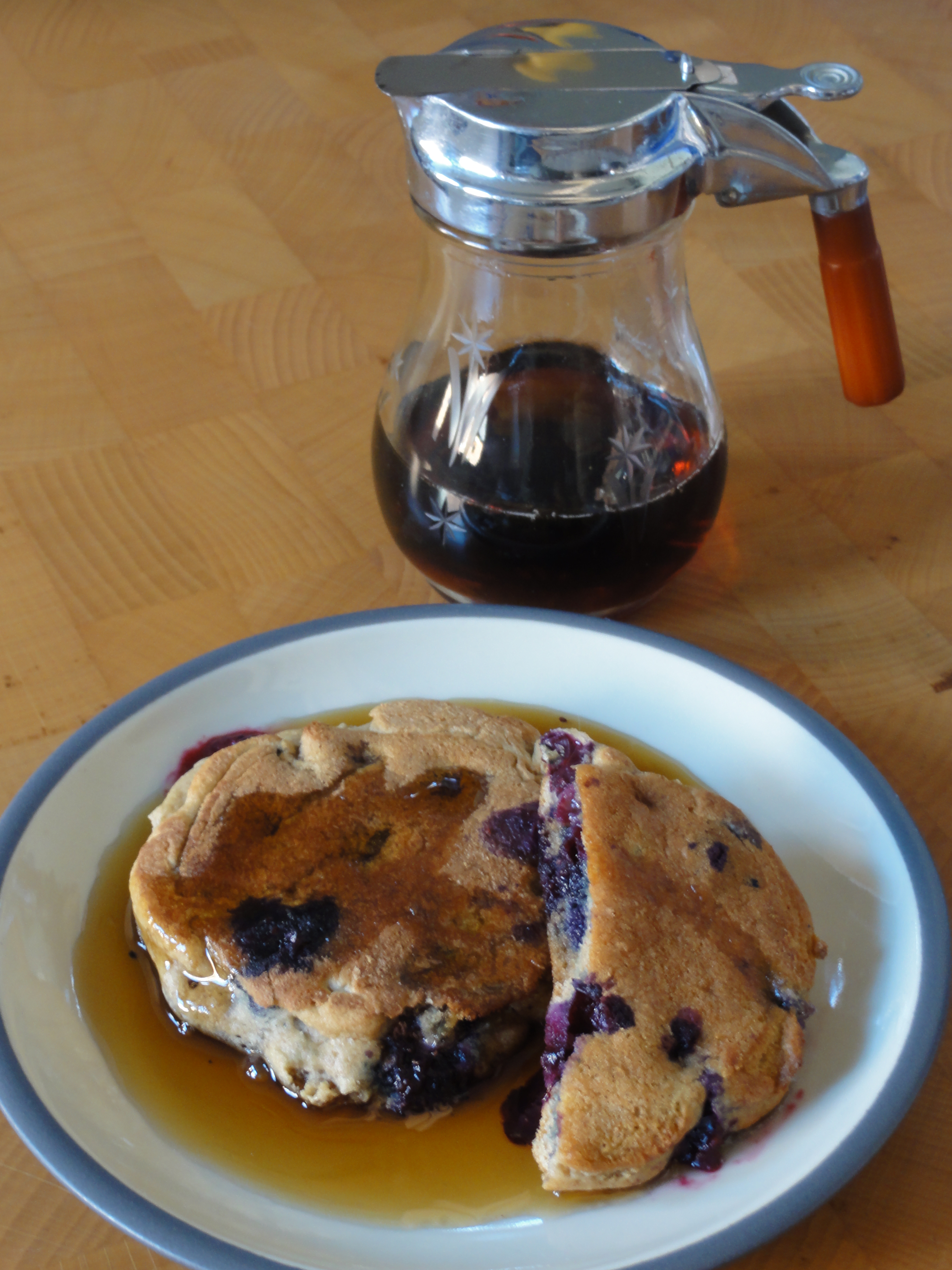
Buckwheat blueberry pancakes with maple syrup

Don’t be mistaken – buckwheat is not wheat, it is related to rhubarb and is therefore suitable for a gluten-free , low lactose, wheat free diet. Buckwheat is used widely in Europe and makes the most wonderful pancakes, hence the following recipe. I also find that blueberries make a very tasty addition to pancakes, cakes and biscuits. So an occasional treat for a special breakfast – these pancakes won’t be around for long!

DSC00595Ingredients

2 eggs

175g Wholegrain buckwheat flour

1 teaspoon of bicarbonate of soda

2 teaspoons of cream of tartar

300ml of lactose free milk (or other dairy free alternative)

200g fresh blueberries

2 tablespoons of castor sugar

salt

spray oil to fry

maple syrup to serve

Method

Mix together eggs and milk.

Weigh out buckwheat flour, bicarbonate of soda, cream of tartar and salt. Mix together and add to the milk & egg mixture and mix well.

Add blueberries and mix well.

Spray oil into a non stick frying pan and drop some of the mix into the pan and turn when the base is cooked. Remove from the pan and place in an oven at gas mark 5 till cooked through.

Serve whilst still warm with maple syrup.

The pancakes are not too sweet but are obviously sweet when the syrup is poured over!

**Please be careful and DO NOT try to eat these when hot from the oven – the blueberries get very hot and will burst and leak hot juice if eaten too soon** Also buckwheat has been the cause of some allergic reactions, so if you have not eaten it before just try a little to start with.

Updated 22.11.14

Bonsoir mes amis voules-vous des Madeleines sans gluten? Milk free, low FODMAP.

IMG_1818 These little plump cakes are easy to make and are just the ticket if you want to have a little something sweet but don’t want to go overboard on calories, they are gluten-free, low fodmap and milk free. The secret is to eat one! I love France, particularly Paris I have been twice and still would love to go back. Here is the recipe:

Ingredients

130 g  Castor sugar

2 medium eggs

Grated rind of 1 lemon + juice of 1/2 lemon

225 g of gluten-free self-raising flour

120 g of dairy free margarine

Horse statue outside the Musee d’Orsay

Method

Add the castor sugar, lemon juice and eggs to a bowl. Whisk over a pan of warm water until at least double the volume.

Melt the margarine and add the grated lemon rind, pour into a measuring jug.

Drizzle the margarine slowly into the batter and continue to whisk, then add the flour and mix slowly with a metal spoon until it is fully incorporated.

Allow the batter to cool and put a heaped teaspoon of batter into a Madeleine tray. Cook at gas mark 6 until risen and golden.

Remove from the tray and cool – makes about 18.IMG_0923

IMG_0881

Trout with salad – Low FODMAP, dairy free, gluten free

IMG_1801We are heading towards the end of Summer, early in the morning it certainly feels like Autumn is on the way. However there is still time left to enjoy a cold salad with a small glass of chilled white wine for our evening meal.

Today’s activity was a run around my home town, nestled in the middle of the Pennines. We certainly have our share of wet weather and today was no exception. However the skies were bright enough for me to manage an hour without getting too drenched. This summers weather has still resulted in flooding in the next village, despite the weather being hotter than usual, the deluge of rain was severe enough to wash away the road. I would not want to live anywhere else though, as we have beautiful countryside and the steep wooded valley’s add to the overall atmosphere. Have a look at the pictures and see if you agree.

This slideshow requires JavaScript.

If you wish to make the meal above the recipe is as follows:

Salad

Small handful of miniature plum tomatoes (about 8-10)

Small handful of green olives

Small handful of mixed leaves (rocket, spinach and watercress)

1/2 an orange pepper

1 tablespoon of pumpkin and sunflower seeds

2 teaspoons of fennel seeds

1 small piece of celery

2 inch slice of cucumber.

1/4 teaspoon of cinnamon and 1/4 teaspoon of ground allspice

1/2 lemon

1 bunch of fresh thyme

Chop all ingredients finely and add spices, seeds and lemon juice

Season and toss well. Serves three

Rice

3 cups of basmati rice

1 cup of neroli rice

1/2 an aubergine

salt

Chop the aubergine and add to the rice, cover with water season and cook till tender. Cool

Plus 1 fillet of trout per person, grilled and cooled.

Serve