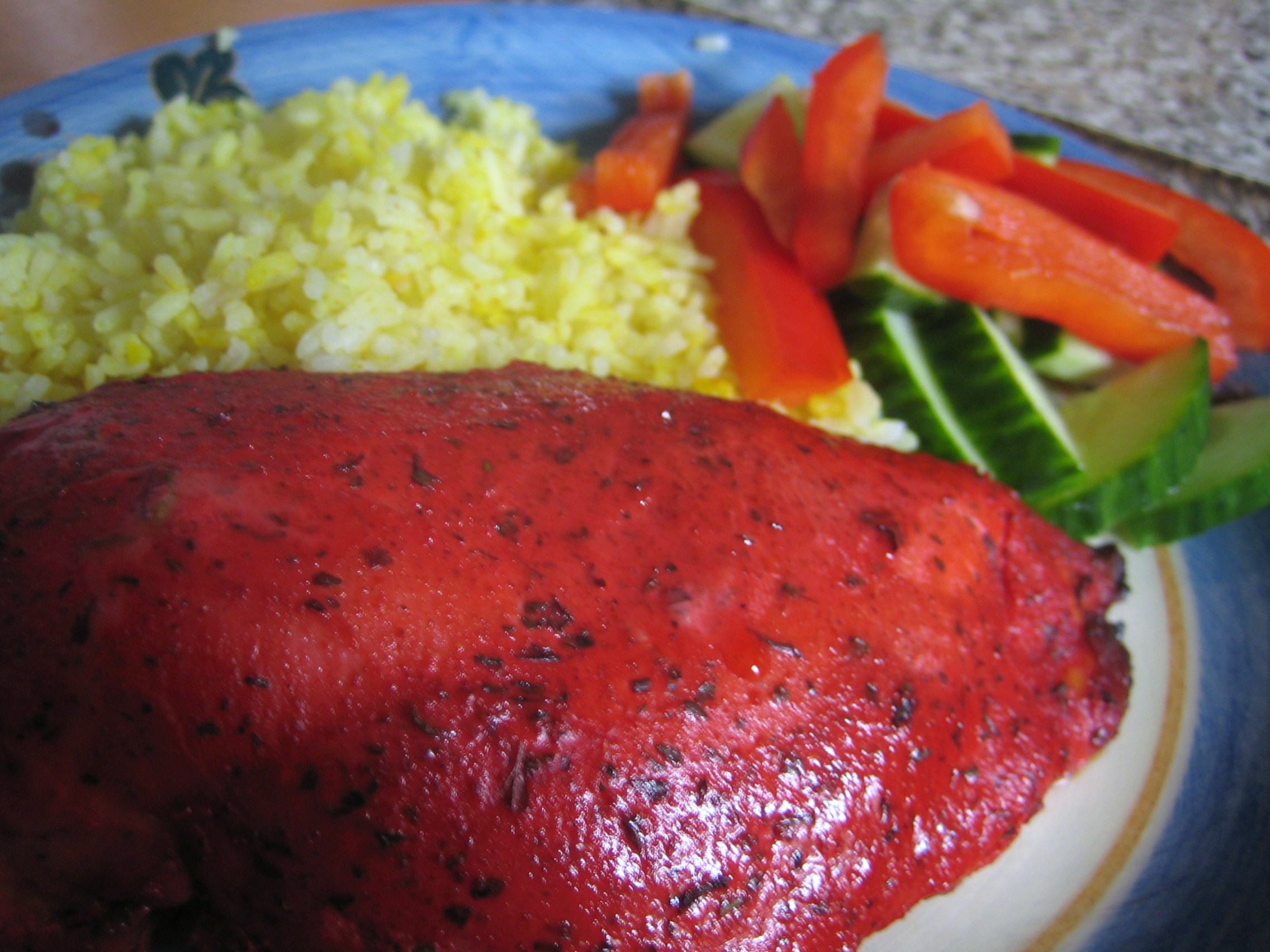
Potato and salmon rosti

This recipe uses the tandoori spice masala mix made in the last blog (see the bottom for a link.) This dish is low-fat, suitable for those who are looking to manage their weight whilst having tasty filling Low FODMAP food.

IMG_1744Ingredients

1 Large potato

1 egg

2 small salmon steaks

1 dessert spoon of low fodmap tandoori spice masala

Salt & pepper

For the green salad

Finely sliced celery – ensure less than a small stick per serving

Alfalfa

finely chopped cucumber

Method

Cook the salmon steaks and flake them.

Peel and grate the potato

Add the flaked salmon to the potato and bind together using 1 egg

Mix in the spice, salt & pepper.

Spray oil on a baking tray and cook the rosti in the oven

Serve with green salad. Makes 6

https://clinicalalimentary.wordpress.com/2013/06/29/low-fat-tandoori-chicken-made-with-low-fodmap-spice-masala-contains-lactose/

Low fat tandoori chicken – made with Low FODMAP spice masala!

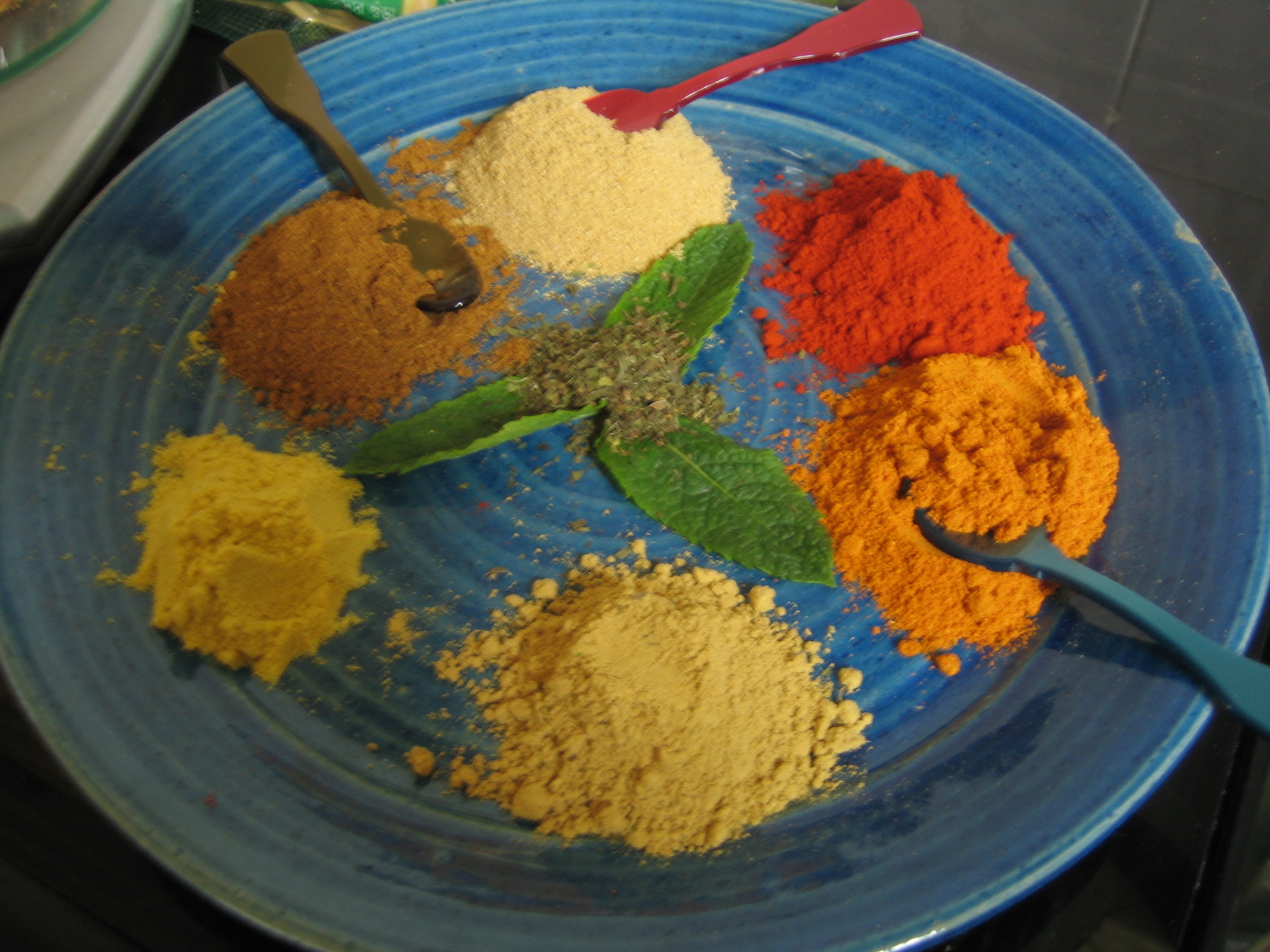
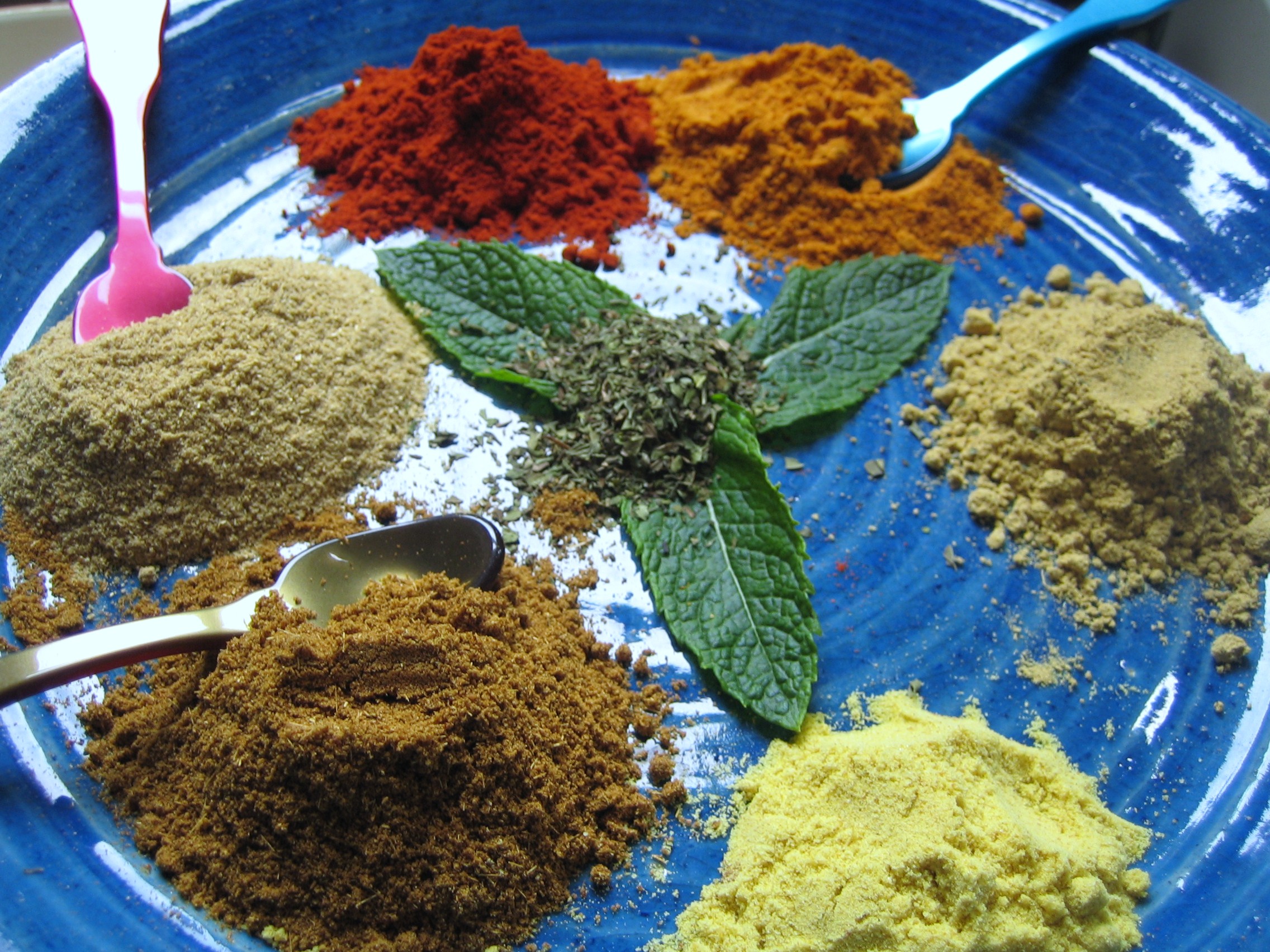
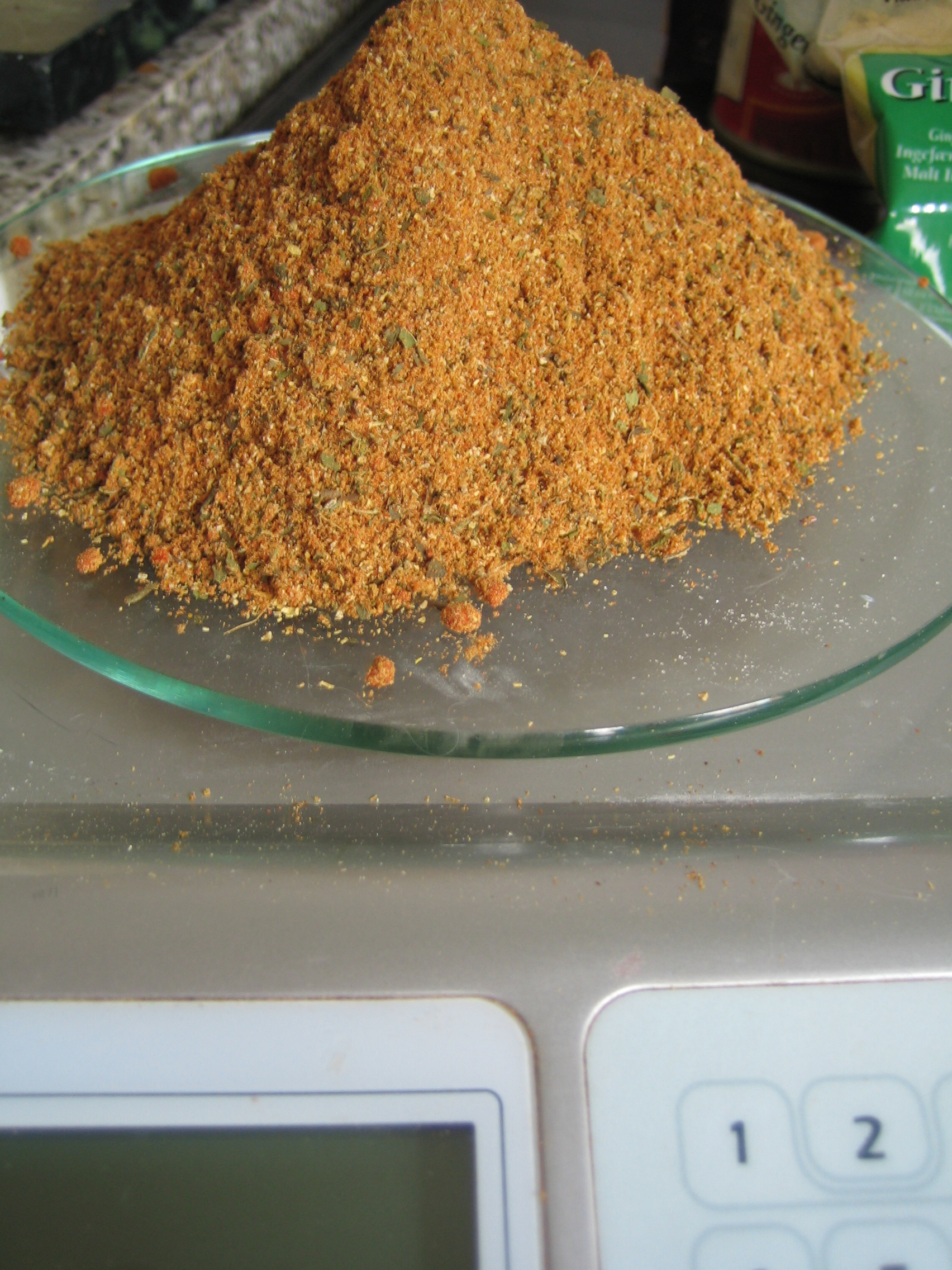
IMG_1732 It is intensely frustrating following the Low FODMAP diet and visiting the supermarket and looking for an easy sauce or dry powder spice mix when lots of the sauces and spice mixes contain onion and garlic powder. How on earth are you to make a flavoursome dish with gut friendly ingredients? Make your own perhaps! The following recipe is a masala mix for tandoori food. For a tasty spice mix use the following recipe – it makes about 140g of mix that can be stored for up to six months in an airtight container. Some tips on shopping for spices before we start with the recipe – check out your local asian supermarket and purchase spices in large packets, this is much more cost-effective than buying small jars. If you are following a completely gluten-free diet check all spices for gluten including your asafoetida (some spices can be adulterated by addition of fillers such as wheat flour.) It might be better to purchase spices from suppliers that do label their mixes with allergens and suppliers that understand that even small amounts of gluten can be problematic for coeliac, for example.

IMG_1735Choose sweet paprika if your gut is sensitive to spicy food and you may want to use a mild heat chili powder too, or omit it all together. Use smaller amounts of the powder in your recipe, if you find that spices tend to increase your IBS symptoms.

Ingredients for the dry masala

40 g Coriander

30g Cumin

20g PaprikaIMG_1733

20g Ginger

15g Dried Mint

5g Asafoetida

10g Chilli powder

Mix the dry ingredients together and store in an airtight tin.

Tandoori Chicken

Two dessert spoons of dry masala powder (above)IMG_1734

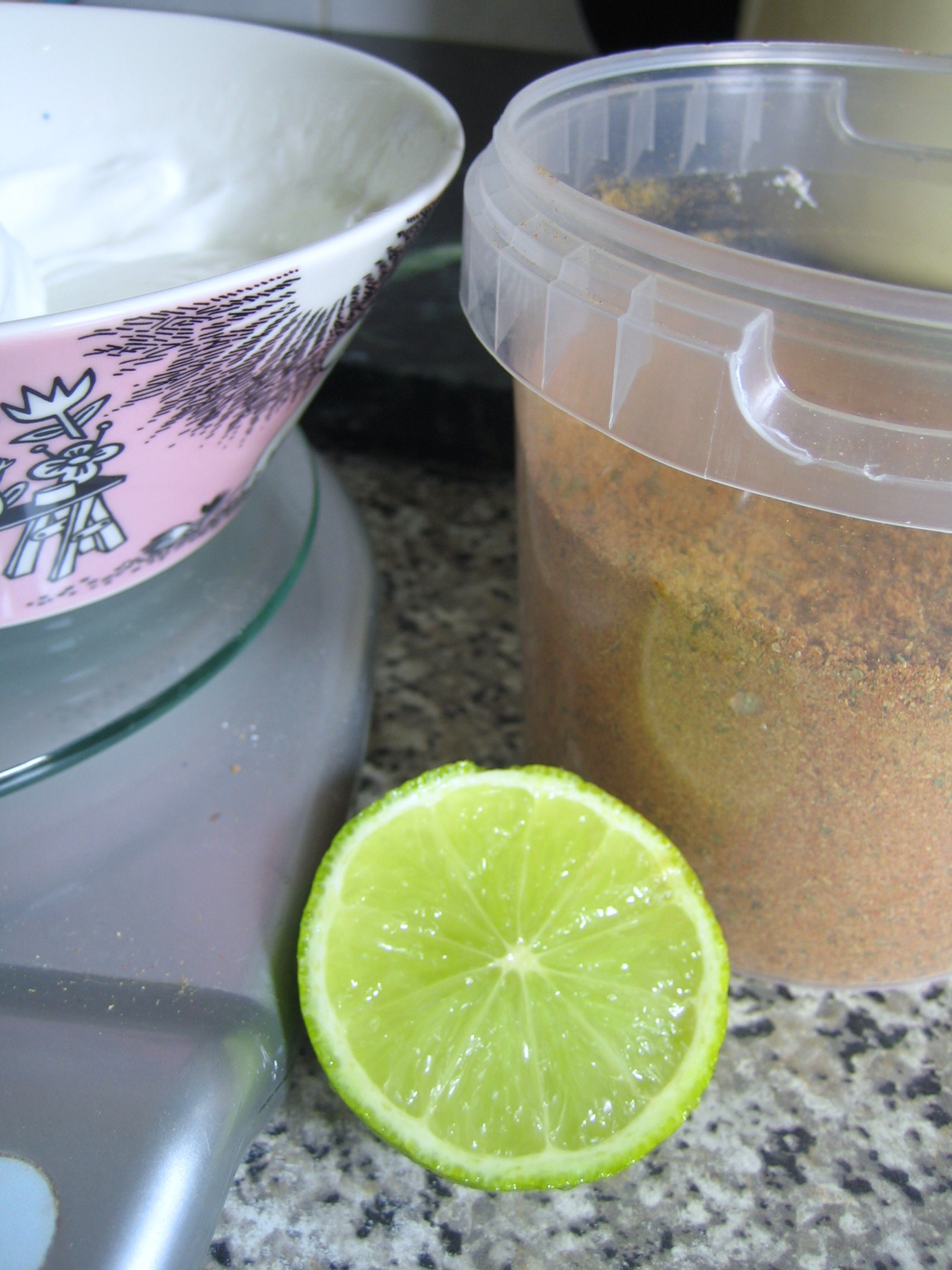
Juice of 1/2 lime

150g lactose free greek yoghurt

4 skinless chicken breasts

Salt & pepper to taste

Weight out the yoghurt and squeeze half a lime into the yoghurt and mix well.

Dry fry the spice mix till the aroma is released, cool and add the powder to the yoghurt.IMG_1736

If you want to have the authentic indian restaurant colour you can add red food colouring the mix (as I did.) Ensure that the food colouring is not based on beetroot powder, this is a fodmap.

Don’t be tempted to try the uncooked mix – it really needs cooking to bring out all the flavour, it doesn’t taste nice raw – believe me!

Spread the yoghurt onto both sides of the chicken breasts and leave to marinade in the refrigerator for a few hours or at the very best overnight.

IMG_1738IMG_1739

Now time for cooking………

Scrape off excess yoghurt from the chicken breasts and place in a hot oven and cook for 30 minutes till cooked through. Serve with boiled rice (add some turmeric and cassia bark to your boiling rice to add colour and flavour) and Low FODMAP salad.

IMG_1741

A low-fat tasty dish that is not too hard on your digestive tract, just the ticket for a Saturday night meal.

Self care for Irritable Bowel Syndrome

As of last weekend the Self Care Plan for people with irritable bowel syndrome (IBS) is free access for those people with the condition and for those who might feel their symptoms are down to IBS, but are unsure and wish to know what to do next. Check it out here:

http://www.theibsnetwork.org/the-self-care-plan/

As the UK charity for people with IBS we felt it was important to have this information for everyone to access. I know of no other site that has information on symptoms, medical treatments, dietary treatments and psychological symptoms such as anxiety and depression that often follows this diagnosis, in one area and including tools that can help

such as the bowel relaxation recording. It also has information on alternative treatments and how useful these are for symptoms. It has been checked by the IBS Network team of advisors including gastroenterologists, psychotherapists and dietitians to ensure the information is as comprehensive and evidenced based as it can be. We also requested members to comment as the best people to advise us are people who are living with this condition. The plan is still open to comment so do please get in touch if you wish to make any compliments, suggestions or constructive criticism, we do wish to continue to improve this tool.

http://www.theibsnetwork.org/contact-us/

The plan is also useful to health practitioners to aid patients in clinic, I use it when I am in clinic. We have 10-20% of the population in  the UK living with IBS at any one time so self-care is going to be vital to help people to manage, we hope the plan will be a tool that people are happy to use and perhaps more importantly happy to recommend to others to spread the word.

We still need membership to help us to continue as a charity – membership includes the self-care plan symptom checker, access to ask health professionals questions, the help line, can’t wait card and travel translation card.  Well worth joining, also to help us to continue to provide help and support for people with this condition.

Gluten free bread woes?

The one anxiety people have when they are diagnosed with coeliac disease is the bread. People complain about the texture, the taste, the fact that sandwiches ‘are just not the same’, the slices are too small and they struggle with choices at lunchtime. In my experience most people find a solution to the bread ‘problem’ and this can be achieved by trying all different types, most

http://sammisofties.blogspot.co.uk/2011/09/miss-marples-bread-woes.html

companies will allow you to sample the products. Free From shows are ideal venues to visit as most companies exhibit and will allow you to taste. It can be argued that the popularity of the gluten-free diet as a lifestyle choice is not ideal, but one thing is for sure, choices for gluten-free foods are improving all the time. Although free market competition and following price reductions due to market competition does not seem to have followed with the increasing choice available.

The fresh breads that are marketed are good options and if you can tolerate codex wheat (wheat that has had the gluten removed) but you may need to have freezer storage as if these are ordered on prescription (for people with coeliac disease only) they are delivered in larger batches. Try to choose ones with added fibre or seeds to increase wholegrain options in your diet. Some breads can be freshened by warming in an oven or microwave – this is usually stated on the packet and some versions have humectants (an additive that holds on to water) added to keep them moist, such as psyllium husk flour, which can also act as a bulking laxative! Useful for most people but you might want to limit the amount of these types of bread if you have irritable bowel syndrome and you suffer from diarrhoea and bloating.

lunch day 2

Most types of bread are available in gluten-free varieties, such as baguettes, rolls, fruit loaf, pita and naan, a new wrap has even been introduced recently. If you use artesian bread outlets or farmers markets, please ensure contamination with gluten has been avoided and the seller is aware that spelt flour is not gluten-free. One clear problem with the gluten-free bread is that the slices are often smaller – but do be cautious as these slices may contain the same calories as a standard sized loaf. Those people who have weight management requirements need to review the labels when choosing bread as sometimes ingredients that are used to improve the texture increase the calories the bread contains. Some of the more common breads and there fat and calorie contents are below.

————–Energy per Slice/per 100g (Kcal)              Fat Content per slice/per 100g (g)

Juvela Fibre Fresh                           73/229                                                     1.3/4.2

Glutafin Select Fibre Fresh             88/252                                                     2.2/6.1

Genius brown original                      82/304                                                    3.8/14.3

Warburtons Brown                           73/229                                                    2.2/6.1

Yes You Can (fibre)                          83/221                                                    1.4/3.7

Wellfoods (fibre)                               –/216                                                     –/2.3

Ener-G (rice brown loaf)                  –/334                                                     –/15

Fria Fiber                                            83/265                                                   2.1/7.0

Barkat Brown                                      –/221                                                   — /3.2

Dietary Specials                                68.5/249                                                 1.7/6.2

Biona rice brown bread                       –/200                                                  –/2.0

Asda Brown                                            86/234                                                1.2/3.3

Sainsbury’s Brown  (slice = 36g)         86/302                                                3.6/12.5

Tesco Brown                                         105/285                                                3.1/8.6

Only two of the above products would be classed as a low fat product if you go by grams of fat per 1oog only, but this is complicated, as slices are different thicknesses and sizes and calorie content is also important. Concentrating on the fat level might not be that helpful (and the calorie content of the rest of the diet too is clearly important – it’s no good complaining about the calorie content of the bread, if you consume lots of gluten free cake, biscuits and pastries!) Those examples above without per slice options may be unsliced, therefore the calorie content depends on how generous you are, thin slices or ‘door stop’ slices, as my Lancashire family would describe. Some companies are now producing loaves that have larger slices to address the issue of small slices, but again caution might need to be taken for those who struggle to maintain a healthy weight.

gluten free bread loaf 3 4-23-12 w

As can be seen above we now have lots of options for choices for bread – so those who are newly diagnosed should ideally try each version to see which they prefer, this choice can be as different as chalk and cheese! You can make your own using breadmakers and baking by hand, mixes are available to help and they are usually very good in my experience. Making your own can take some time to get used too but home-made can taste much nicer – you could add dried fruit, a source of iron and fibre. Other options are gluten-free crackers and crispbreads, good options for lunchtime and eating away from home. Toasting the bread can also make the bread more tolerable for some.

If you are following the Low FODMAP diet ensure you check ingredients.

If you have any tips for people please share!

No funding or free samples were provided to faciliate writing of this post.

Gluten free raspberry buns and school cookery lesson reflections – seventies special!

I am really giving my age away with this post, this recipe was one of the first that I tried at school it is refreshingly simple and because it has been made gluten-free it can take some punishment during the dough making stage.IMG_1693 I didn’t like cookery at school generally, you had to carry all the ingredients with you and the buns home again (if any of them actually reached home!) As I walked about a mile to and from to school every day having to carry school books and cookery ingredients wasn’t great. How times have changed, these days and walking on your own or with friends to school is not encouraged because of safety concerns. I never came to harm and it was a real pleasure to play out and have real freedom. We would often travel miles on our bikes without a second thought but I suppose because we lived in a semi rural area traffic wasn’t a major concern and there were fewer cars on the roads at that time.

Ingredients

225g gluten-free self-raising flour

75g dairy free margarine (make sure this is refrigerated before use)

75g golden castor sugar

1 egg

Raspberry jam

egg for brushing and extra castor sugar for brushing.

Gluten free flour for rolling out the mix

Method

Weigh out the flour and add to a mixing bowl with the sugar.

Weigh the margarine and rub this into the flour mix.

When the margarine has been rubbed in add the egg and bring the mix together.

Work it well so the ingredients come together and then roll it into a sausage shape.

Cut it into nine or twelve (if you are being good and reducing the portion size.)

Flatten the disks a little with the palm of your hand and using a teaspoon create a small indentation in the centre of each one.

Fill the indentation with raspberry jam.

Brush each one with beaten egg and sprinkle on castor sugar.

Place on a greased baking tray and cook for about 20 to 25 minutes at gas mark 6/204 degree celsius.

These buns are gluten, lactose and milk free, they are also suitable for a low FODMAP diet but do check the ingredients in your flour.

Easter meal – roast spring lamb

IMG_1673The first thing to do in the preparation for this Easter meal is to marinade lamb steaks for 1-2 hours.

Marinade

1 freshly squeezed lemon

1 tablespoon of garlic infused oil

Sprinkle of salt

3 sprigs of rosemary

chop the rosemary and add to a bowl with 2 lamb steaks, oil, lemon juice and a small amount of salt to taste.

Leave to refrigerate for 1-2 hours before adding the lamb to a roasting tin with vegetables (I chose parsnips, these were what I had in the fridge, but you could choose carrots if you wish.)

Place in the oven at gas mark 4 and cook for 2-3 hours or until the lamb is very soft and falls apart. Keep checking it as you don’t want it to become too dry. Cooking the lamb long and slow will ensure that some of the marbling of fat it contains will liquefy and can be skimmed off the meat juices once cooked.

IMG_1674

The next dish to make is a greek salad – we had this as a starter to our easter meal.

Ingredients

1 large tomato

1/2 cucumber

10-12 black olives

1 teaspoon of dried oregano

100g of feta cheese.

Chop the tomato, feta and cucumber and add to a bowl with olives. Mix well, as the feta and olives are quite salty there should be no need to add salt to season this dish. Serve before the main meal or have it as a side dish – whatever you prefer to do is fine.

IMG_1677

The next thing to make is the mint dressing for the potatoes.

Minted Charlotte Potatoes

2-3 potatoes per person.

2-3 sprigs of mint

1 tablespoon of garlic infused oil

1 tablespoon of white wine vinegar

Salt to taste

Chop the mint and add it to a bowl with the olive oil and white wine vinegar, salt and mix well.IMG_1680

Chop the potatoes into 2-3 cm wide slices. Boil the potatoes for 10-15 minutes, drain the pan of water, add the dressing and shake the pan well.

Keep potatoes warm.

Prepare the lamb

Trim the fat from around the lamb and place on a serving dish with the roasted vegetables.

Drain off the cooking juices and strain off the fat which floats on the surface, drizzle this liquid over the meat and allow it to rest (if you wish to make a gravy add a heaped teaspoon of cornflour and heat in a pan until thickened.)

Serve up and enjoy! This meal is gluten-free and Low FODMAP (a small amount of tomato is included in the salad, which shouldn’t be too much for those excluding fructose from their diet) however the salad does contain milk protein. The meal is a celebration and has been prepared with some effort to reduce the fat levels in the roast lamb, however lamb is still quite a fatty meat therefore it is probably better to eat it occasionally. It serves 2-3 people (ensure a lamb steak per person.)

IMG_1679