Moroccan Salmon – Low Fodmap

At the last Allergy & Free From show I purchased a range of three spice mixes from Fodify Foods, a company started by two dietitians – this is the first of the recipes I have tried for the Moroccan spice blend. The spice mixes are low fodmap and the Moroccan spice tastes flavourful and authentic. The white dried lime imparts a strong flavour, but a not unpleasant citrus base to the dish, making this recipe really tasty and good enough for a weekend evening meal treat. I was unsure what to expect, but this spice mix is really rather good – you lucky fodmappers!

http://www.fodify.co.uk/

Ingredients

2 flat teaspoons of Moroccan spice mix (Fodify)

400g of sliced carrots

200g of celeriac

Spray oil

1 white dried lime

cumin seeds

1 tablespoon of oil

Salt & pepper to taste

3 tablespoons of tinned tomato

2 tablespoons of natural lactose free yoghurt

Two large salmon fillets

Dried edible rose petals to serve

Serves 3-4.

Method

Peel and slice the carrot and celeriac.

Spray with oil, sprinkle with cumin seeds and roast for 15 minutes in a hot oven.

Add the oil to the pan and fry the Moroccan spices to release the aroma.

Add the tomato and yoghurt to the pan.

Cut the salmon into pieces and add it to the pan with tomato, yoghurt and spices.

Add the roasted carrot and celeriac to the pan, mix well.

Add the white dried lime and seasoning.

Transfer to a oven dish and cook for 30 minutes at gas mark 6.

Remove the lime.

Sprinkle with edible rose petals and serve with corn based couscous.

The Fodify spice mix was purchased for the recipe.

coralsalmonframe

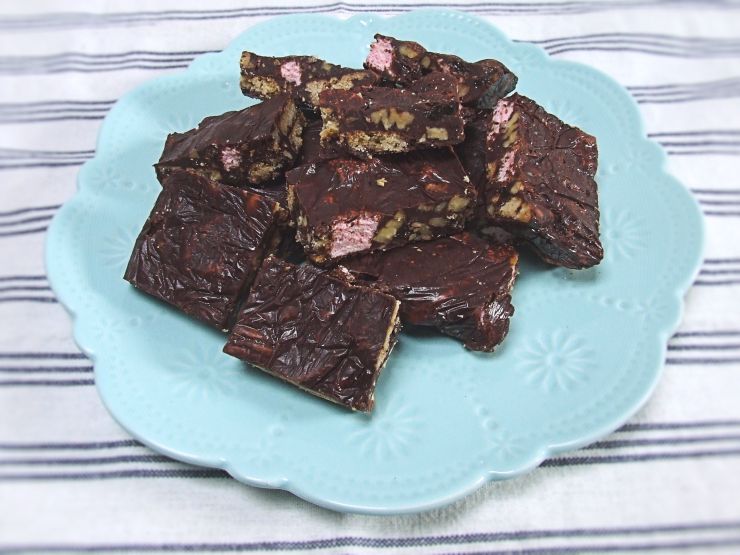
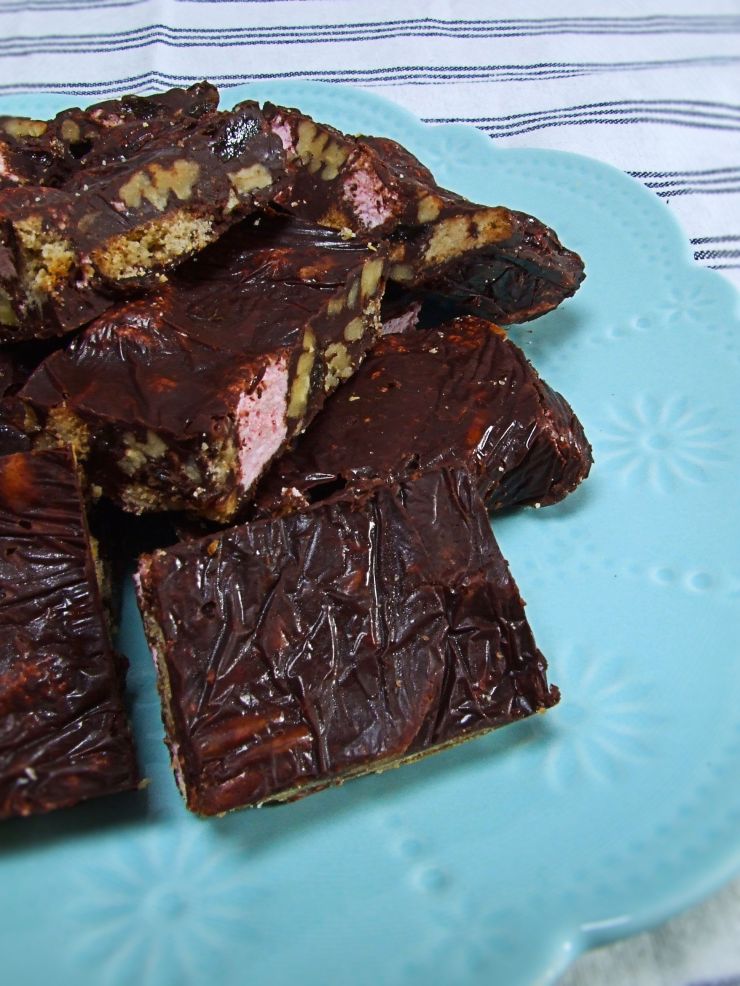
Pecan and raspberry Rocky Road – Low Fodmap

Rocky road is so easy to make and a great looking snack, but not for regular consumption as it is very calorific! This version is not too sweet as dark chocolate is used and the recipe is low fodmap.  I like to view this as ’emergency rations’ – what do I mean? Well, when out hiking, and particularly if the hiking is up mountains, you need to take something with you to eat if you get stuck in bad weather. This was training we received when preparing for Duke of Edinburgh’s expeditions. The food needed to be calorific and I can think of no better snack than rocky road – although we often used dark chocolate coated Kendal Mint Cake when I was younger. Now, whilst hiking I have never actually had the need to call for mountain rescue services or had to make a shelter to protect me from very severe weather. These days preparation is usually about checking the weather forecast prior to venturing out and modern forecasts are considerably more reliable than in the past – but the advice is still pertinent according to the link above. A small slice of this chocolate heaven is a very nice treat when you finish your hike though! A low fodmap diet can help with diarrhoea and IBS enabling people to be more adventurous and active so if you want to try see a registered dietitian to help you through it!

Ingredients

200g of dark chocolate (I used 70%)

a handful of raisins

70g of pecan nuts

2 tablespoons of light margarine

1 packet of raspberry marshmallow* (check for fructose based sugars)

5 gluten free digestive biscuits

Method

Chop the pecan nuts at right angles to their length (this makes them look pretty when the rocky road is sliced.) Cut the marshmallow pieces into four or eight depending on your preference, and break up the digestive biscuits into small pieces. Melt the chocolate in a bowl placed over hot water (take care not to allow any water into the bowl as this will set the chocolate solid.) When melted add the margarine and other ingredients and mix well. Stir to cool the mix a little then pour into a cling film or grease lined tray and refrigerate. Cut into 15 small slices.

If you want a sweeter version add 3 tablespoons of golden syrup.

Some people with IBS have an exaggerated gastro-colic reflex, too much chocolate can result in immediate diarrhoea, so remember portion size is important – don’t eat too much at once.

* I used Art of Mallow marshmallows purchased specifically for the recipe.

Rockyroad2


Coronation chicken – low fodmap

Coronation chicken is a favourite traditional dish in the UK and was first devised for Queen Elizabeth II’s coronation in 1953 by the Cordon Bleu chef Rosemary Hume and Constance Spry. Rosemary was described by Constance as the ‘brains’ of their collaboration with respect to cookery knowledge, but Rosemary is always mentioned after Constance who would appear to be a very accomplished self publicist. I could not even find an image of Rosemary for this post, and so, I have dedicated this post to Rosemary as the ‘brains’ behind the coronation chicken dish and given her prime place of honour! This dish normally contains significant amounts of mayonnaise and is high in fat – the version below has a lighter dressing that might be a little easier on troublesome digestive systems. Mango chutney, another key ingredient has been replaced in the dish with pulped papaya instead, it may not be as sweet as a traditional coronation chicken dish but I tend to prefer it that way and it is low fodmap so a better choice for being gently digested too. If you want it a little sweeter you could add some sultanas but remember no more than 13g per portion. Coronation chicken is a great celebration dish to serve on buffets and it can also be used as a sandwich filler, a great option to make and take to work for lunch.

Ingredients

400g of cooked chicken

1 teaspoon of turmeric

1 teaspoon of cumin

1 teaspoon of cumin seeds

A sprinkling of asafoetida

Half an inch of ginger

3 heaped tablespoons of natural Skyr (prepare with lactase drops if you are lactose intolerant or use lactose free natural yoghurt.)

1 tablespoon of light mayonnaise

Half a papaya

Half a small handful of coriander

1 tablespoon of garlic infused oil

10g of flaked almonds

salt + pepper

Method

Tear the chicken into small manageable pieces

Pour oil into a small pan and heat. Add the turmeric, chopped ginger, cumin, cumin seeds, asafoetida and fry for 5 minutes to release the spice flavours. Cut the papaya in half, chop a quarter and add to the spices. Cool and crush in a mortar or blend till smooth.

Add the mayonnaise and yoghurt to the spices, mix well. Chop the other quarter of papaya and add to the chicken with the almonds, chopped coriander and dressing. Season to taste then serve.

Serves 4-6, depending on the use of the dish.

Queen04-pg-horizontal


Can you cook a cucumber? British cucumber week

The humble cucumber – stalwart of the afternoon tea finger sandwich has it’s own week, dedicated its summer fresh light green crispness. I find the cucumber a great salad vegetable and obviously it has been used in sandwiches for afternoon tea – a meal that has had a revival recently, but can you use it any other way?

Soup is a good start but what about roasting cucumbers or fried cucumber pasta? I think I might give it a try as the cucumber is a low fodmap vegetable – let’s see what happens!

Ingredients

2 inches of cucumber sliced thinly

1 roasted pepper (sliced)

10 olives

matchbox piece of Parmesan grated

150-200g dried gluten free pasta

1 teaspoon of garlic infused olive oil

Method

Boil the pasta as directed by the packet instructions

Using the oil fry the cucumber, pepper and olives till warmed through

Drain the pasta and combine with the vegetables

Sprinkle with grated Parmesan

Serves 2 – this was very tasty – despite first appearances!

pasta2

Pecan, lime and blueberry bircher low fodmap

What a glorious way to start the day with a yoghurt and oat based creamy breakfast – this recipe contains ground flaxseed to add lots of soluble fibre to your breakfast, a real treat for sluggish bowels! Skyr yoghurt contains lactose – if you are lactose intolerant and are concerned about yoghurt add lactase liquid to the yoghurt. The dose recommended is 5 drops per pint – 4 drops to convert a large pot of yoghurt (450g) for the Biocare liquid lactase product,  it does contain glycerol, which is a polyol, but lactase enzymes should be included after the re-introduction phase of the fodmap diet and you will be aware of whether you need to exclude polyols, although lactase drops are used in very small amounts, usually. Another product available appears to be Colief but this is marketed as infant colic drops at a slightly higher price for 15ml with very similar ingredients. These were the only two brands available when I searched for UK products, do let me know if you use others. It is probably better to treat milk/yoghurt with lactase prior to drinking or using it in recipes, as this forgoes the complex vagaries of digestion – I would suggest digestion is certainly more complex with IBS – the effects other food components in the digestive tract or in recipes may reduce the effectiveness of the lactase. This prepared yogurt needs to be left for twenty four hours in the fridge for the lactase to take effect. However some people with lactose intolerance can manage yoghurt, as the manufacture means a lower level of lactose in yoghurt – go with what you tolerate, once you have completed your fodmap re-introductions you should know how much you can have without symptoms. The yoghurt can then be used to make up the bircher, this is usually left overnight.

Ingredients

200g of low fat low sugar Skyr or thick textured yoghurt

50 mls fluid

1 heaped tablespoon of ground flaxseed

1 teaspoon of lime curd (check labels for any fructose based syrups and avoid)

20g of pecan nuts

1 heaped tablespoon of oats

13g of dried blueberries or 80g of fresh.

Method

Add the flaxseed to 50ml of water, mix well.

Then add the yoghurt, oats, blueberries and lime curd to the mix.

Prepare this recipe the night before and it will be ready for you to eat the next day! Add the chopped pecans just prior to serving to retain the texture. Yum!

Drink a glass of fluid or cup of tea with this for additional fluid to help the flaxseed move through your bowel.

northern-lights

All ingredients for this dish were purchased.


Herding cats – the challenges of probiotic research in IBS.

I was very pleased to be part of the development process of the dietary guidelines for IBS that were published in 2016 with some very experienced dietitians. The paper on probiotics I was involved in was a really great way of learning about this subject area and also the complexities of developing probiotic products. The perhaps unsurprising result of the systematic review meant that the evidence base for these products was not strong enough to allow us to advocate one probiotic product for IBS. However the Ford (2014) review with meta analysis (a calculation used to show whether combining controlled treatment trials are effective) showed that overall probiotics are effective. A more recent guideline publication in 2021 from the British Society of Gastroenterology, guidelines for IBS, also suggest that they can be tried, however the American Society of Gastroenterology do not recommend them. This is confusing for people. I do feel the UK position on the products is the correct one – if people wish to try them they can and it is perhaps better to choose one that has had some research. I am also aware that whilst the effectiveness of the products do vary, where they do work they offer a treatment option for people with IBS.

The variety of formulation possibilities of a probiotic product means that it would be unusual for a new product to be the same as one that has been previously developed. Heterogeneity of these products is a big problem, imagine you are a manufacturer, you don’t necessarily want to go over old ground as the expense of development and research is high and you want to fund research to showcase your new product. Research in industry is about marketing and the product, you want to recoup your investment.

But repetition is exactly what is needed to strengthen the evidence – more papers showing effectiveness for one product. A generic medication, where choice of how to produce the medication formulation is likely limited by the chemical nature of the active ingredient, perhaps meaning the tablet excipients do not vary overly much. The result is you can have many published papers for one medication, a position of strength. Probiotics, on the other hand, can be added to a food, and should be classed as a functional food, which is chemically complex and varied. Not that I lay the blame solely at the door of the manufacturers, the choices they have when considering new developments are enormous – to include one or many probiotic species, to have a tablet, yoghurt of fruit juice drink? What is the likely shelf life, when do you take it – with food, after or before? Does it survive to the digestive tract? Does it need too? (Enck 2008 denatured their probiotic before its use) What dose to include? (This was tested by Whorwell in 2006 – three doses and only one proved to be marginally effective.)

Are we looking at a food or a medication? As I have stated above probiotics should be classed as a functional food. Randomized controlled trials are a very good method of researching medications, but not necessarily diets, which are overly complex and difficult to randomise. However, this is the best method we have and is a requirement for a good evidence base, so clearly needs to be used.

Confounding variables (a factor that is not under study that can vary and influence the final result) are vital to be considered and ruled out. In probiotic research, when we a researching a food item, we should ensure participants diets do not change and influence the final result. The more understanding we have in how our diets influence our own microbiota, which has improved over the past few years, the more important this variable is becoming to the methodology. So it needs to be considered a part of the methodology and shown not to change throughout the duration of the study.

We have a varying medical condition – IBS, IBS-C, IBD-D, IBS-M and IBS post infection – could these possibly be distinct groups? Treatment for one type of IBS also might result in swinging symptoms to another type – changing bowel function for sure, but the patient feels no better. Quality of life is very important and certainly should be part of the measures used, testing has used a variety of different validated tools to assess this important factor. Also, measuring tools for IBS are often not standardised, all of these factors make for poor results.  We also have Rome IV, which has removed the term ‘discomfort’ from it’s diagnostic criteria, reducing prevalence of IBS overnight – it is going to be very interesting to see what effect this has on future treatment research.

Numbers of participants in studies are often low, meaning that the studies should be defined as pilot studies – this results in a positive effect being overly positive (p values will be likely closer to 0.05 for higher numbers of included participants, if you have a p value of 0.001 check out the number of participants – if you have over a hundred this is a good result! If you have 10, maybe not so great.) We do need over 100 patients to make good research in IBS.

We also have a situation where some probiotics that have two RCTs – often with conflicting results, how is this possible? We are likely comparing two ‘moving targets’ both with high heterogeneity – my personal view is that research in probiotics and IBS is a little bit like herding cats – a very big challenge. When herding cats, the method used is vital to the success of the job and probiotic research is no different in this. The methodology, whilst has improved over the last twenty years, needs to be further tightened up, I’m afraid.

One topic that is often mentioned in IBS research, is placebo effect, this is reported to be high, anywhere from 30-50%. So, to know if the product is actually effective you need to test whether the result gives an improvement of over this percentage, from baseline. Not many are. But is this an issue? Maybe not if the patient feels better that is a result, we need to consider the patient in our assessment of the evidence too.

This is where we are, considering the patient. Perhaps the fact we have any studies showing a positive effect is nothing short of a miracle considering how difficult this research is to undertake. Standardizing the process will produce better results and should certainly be considered. Drivers for the probiotic industry are the ability of using a health claim on their product, EFSA have still declined to confer this privilege to any probiotic product. The one manufacturer that does achieve this status is likely to be a market leader, using good methodology is key to this process, in my humble opinion. However we have a duty here to people with IBS and perhaps taking a pragmatic approach is best, as overall the evidence by meta-analysis suggests that probiotics are effective. We should publish where the evidence is best to help patients to choose the best option, if they want to try these products. It might not help all symptoms, but the patient should choose the symptom they wish to reduce and go with the product where the evidence is weak.

My own toe dip into herding the evidence of RCTs into a systematic review proved how much of a challenge this is, numerous hours (immeasurable) pouring over data proved to be a interesting way to learn about these products. Hopefully this effort will result in some improved data and improved results in the future.

If you wish to try a probiotic then you should try it for 1 month to 3 months (the British Society of Gastroenterology guidelines suggest 3 months and some dietitians feel this is a better length of time to try too, but most research studies are only done over 1 month.) If it works you need to continue to take it, as there are few long term studies to check whether the products repopulate the gut. Cost should be considered and as the microbiota profile varies considerably between one person and the next, one may not work and another might – unfortunately it is a case of trial and error with these products. Check out the links below for products that have some research.

If you wish to look at the papers yourself the links are below, and if you are a healthcare professional the probiotics paper contains a really good chart that can be used in a clinic situation. Download your copy today!