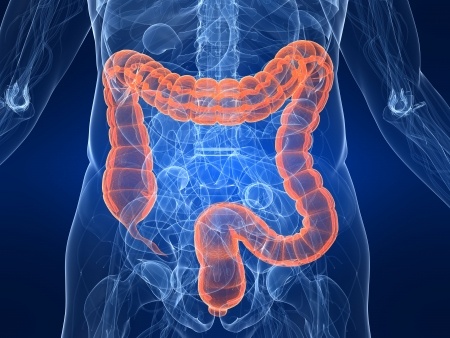
Fast eating – speedy way to make your IBS worse, the benefits of slow eating.

Why is it suggested to help IBS you need to ensure you relax, take time over your meals and chew food slowly? How does this advice help with reducing symptoms?

If you don’t chew your food well you are more likely to swallow air with your food, this can pass into the intestines and increase bloating. After your mouth your digestive system does not have teeth, your gut moves and squeezes to mix and push food through it, but this not break down tougher foods – you need to chew these foods well, prior to swallowing.

If you are eating whilst working you may experience stress, particularly if you are answering a discourteous email that demands some diplomacy in its response, or dealing with a complaint on the telephone. It does not help your digestion (or your IBS) if your body is experiencing stress whilst you are eating a meal. Stress causes an increase in adrenaline, a hormone that gets the body ready for action, and this hormone slows the digestive tract, slowing down digestion. Adrenaline reduces the amount of digestive juices that are secreted to help digest your food, therefore it is perhaps not surprising that you feel so uncomfortable if consuming food when stressed. Sitting up straight can also help – use gravity to help your digestion and don’t slouch when eating.

Sometimes it is difficult to change what we do, particularly if you feel that you may be penalised in some way if you take a break at work, but it is worth considering. Under the current economic climate it is difficult to insist on taking breaks if your colleagues do not, so perhaps it is time we all support each other and take back our work breaks and lunchtime, to allow everyone time to sit down, relax and ‘rest & digest.’

LOFFLEX recipes Third Edition

Ground rice pudding Annette Sharp RD

50g Ground rice

25g Sugar

600ml rice milk (plain or vanilla – try to get one with added calcium)

1 tsp vanilla extract (optional)

Flavouring tinned pears, pineapple juice honey/cinnamon/cardamom to taste

Method

Place ground rice, sugar and milk in a small non stick saucepan and whisk until smooth. Gently bring to the boil, stirring whilst cooking – the mixture should quickly thicken into a custard consistency.Continue to simmer over a very low heat for 5-6 minutes, stirring occasionally. Transfer to a bowl, cover and leave to cool of can be eaten whilst warm. Can blend cold pudding to achieve a very smooth consistency.

Rice Flour Pancakes

1/2 cup of rice flour

300mls of milk

2 tbsp caster sugar

oil for frying

Whisk ingredients together and fry small pancakes (approx 2 inch in diameter) in a small amount of oil until dark golden, serve with jam made from allowed fruit or honey.  Alternatively omit the sugar and add herbs and serve with meat or fish from allowed list.

Chicken Noodle Stir Fry My Le Lac RD

100g Chicken Breast

50g Courgette (skinned and sliced thinly)

50g Mushrooms (chopped)

Dried Rice Noodles

1 tbsp Vinegar

1 tsp sunflower oil/olive oil

Salt to taste

NB this counts as one portion of vegetables

Bring a pan of water to boil, place noodles in the pan

Cook the noodles till softened, drain and rinse in cold water to prevent them sticking together

In a non stick pan heat the oil, add the chicken

When the chicken has browned add the courgettes and mushrooms

When the vegetables have cooked add the noodles and stir fry, them add the vinegar, salt to taste and serve.

Moroccan Lamb Tangine Layla Brown RD

Serves 4

2 tsp black pepper

11/2 tsp paprika

11/2 tsp ground ginger

1 tbsp turmeric

2 tsp ground cinnamon

1x shoulder of lamb, trimmed and cut into 5cm/2 inch chunks

2 large carrots, peeled and grated

2 tbsp of garlic infused oil

3 peppers

115g canned apricots

55g stewed plums

1 tsp powdered saffron

brown rice miso

1 tbsp clear honey

2 tbsp coriander

2 tbsp flat leaf parsley

Place the black pepper, paprika, ginger, turmeric and cinnamon into a small bowl and mix to combine. Place the lamb in a large bowl and toss together with the spice mix. Cover and leave overnight in the fridge.

Preheat the oven to 150C/300F/gas 2

Cut the remaining food into small pieces/chunks and place in a slow cook oven or casserole dish along with the other ingredients and brown rice miso, water and cook for approx 21/2 hours till meat is very tender.

Place in a serving dish with fresh herbs.

Serve with boiled rice.

Please note: Everyone’s dietary tolerance of foods, with crohns disease, is individual. If you suspect you have problems with these ingredients please check with your dietitian if the ingredient is OK for you, before trying the recipe. The recipes are designed for stage 1 of the LOFFLEX diet, but occasionally people can have reactions to foods in stage 1, so it is very important to keep in touch with your dietitian, when following the treatment.

Coeliac Awareness Week, food labelling and celebrity intolerance!

Sausages may contain gluten via fillers or bin...
Sausages may contain gluten via fillers or binders such as Butcher’s Rusk (Photo credit: Wikipedia)

I have had a very busy week and been unable to blog, my wish was to blog of my findings at the end of Coeliac Awareness Week however we were extremely busy on The IBS Network stand at the Allergy and Free From Show – I needed a weeks rest (but I was still at work during the day!) It was an experience to follow the gluten-free diet again, I did find it much easier second time around but the challenge was eating out, of which it was my first experience. I managed to resist the temptation of eating the ginger biscuits left on my tea-tray in the hotel room and survived the eating out experience. I did find discussing my requirements a little difficult at first, being someone with a shy disposition (you may find this a little difficult to appreciate, but I assure you its true,) I was soon used to the challenge of asking how food is cooked and served.

At the show, a colleague informed me that someone was selling a freshly cooked sausage 97% gluten-free – we discussed this, why make 97% gluten-free sausages? Why not go the whole hog, so to speak – 100% gluten-free and suitable for all? Who were these sausages aimed at? Clearly not people with coeliac disease, perhaps those with gluten intolerance?  I suspect that 3% gluten may affect those with gluten intolerance also. Or possibly aimed at those with the highly exclusive condition ‘fashionista celebrity gluten hypochondria’ who follow the latest dietary trends and can afford to be a little selective in their gastronomy – perhaps now I am being a little too cynical or cruel? I am sure you will tell me, if I am! Am I suffering from celebrity intolerance, I wonder? This food was being provided freshly cooked for direct sale – not prepackaged, but freshly cooked food in restaurants and cafe’s provided for those with coeliac disease is included in the new UK 2012 gluten-free food legislation and to be labelled gluten-free it should have been tested and have no more than 20 ppm of gluten. What this does show is industry food labelling obfuscation at its worst – despite the fact we now have regulations regarding the labelling of gluten-free and allergen containing foods. We do seem to have individual suppliers who still persist in supplying food that is unsuitable for those who need to avoid certain components that may cause illness. Unfortunately I didn’t have adequate time to discuss this with the vendor as we were so busy, but I do hope that someone had the time to elucidate them with the details of the legislation.

Where I felt that I was of use was to explain about contamination risks for coeliacs with the hotel before I left. If you recall the breakfast was a buffet style with gluten contamination risks with serving cutlery, this was discussed when I checked out of the hotel, I did suggest that it may have been better to provide and gluten-free cooked meat and cheese on a separate dish and avoid contamination in the kitchens, then people with coeliac disease could be a little more confident in the food provided. I still feel that people with coeliac disease will still struggle with eating out despite the new legislation, but we must continue to explain what is needed to the catering industry and if this is done sensitively, working with the industry, awareness hopefully will increase. Let me know of your experiences of coeliac awareness week, eating out, food labelling and the new legislation.

Surely these digestive enzymes I’ve found can help – or are they money down the toilet?

You may be aware of ‘digestive’ enzymes and if you are currently in ‘gut hell’ you might have considered these of use. This post will give you the facts about digestive enzymes and whether they are of real benefit to everyone – or just those with a real clinical need!

I apologise now, but we have to discuss the business of stools (poo,) so if you are not happy with this I suggest you choose some of my other posts to read! Our bodies are generally very effective at producing enzymes, substances in our gut, which help break down the food we eat and allow it to pass into our bodies. Sometimes these do not work as effectively, or our bodies start to produce less, or we may have a genetic (family) link, which means our bodies don’t produce the enzyme at all (as with some Lactose Intolerance.)

You may have noticed that food passes right through your digestive tract and looks very similar when it comes out – to when it went in, this can be a bit shocking! Typical examples are sweetcorn. You may feel that digestive enzymes are therefore needed to help to break down the food you have eaten so you can utilize the nutrition it contains. Recognizable food in stools can suggest that you are not chewing your food well enough – your digestive tract mixes food, but past your mouth it does not have teeth!! So ensure you chew each mouthful well, this may reduce symptoms of bloating & pain and helps your body to get all the nutrients from the food you eat.

The picture ‘The Bristol Stool Chart‘ helps you identify the types of stool your body produces to help you to modify your diet to keep your gut healthy. 6927778-3x4-700x933Now ☺️ do you look in the toilet pan? Or are you a bit squeamish about matters below 😲 ? Not looking is NOT an option, how do you know that you are leaving the lav in a clean condition for the next user, if you flush and run? Going to the loo is a natural part of life, and for your health, you need to look – so get over it! The chart is about consistency, type 1-3 and you are constipated, check out post on fibre, type 4 is normal and type 5-7 means you have diarrhoea. This chart will be discussed in more detail in future posts.

So, have you heard also that digestive enzymes can help reduce the dreaded bloating that sometimes occurs? Who have you heard that from, producers of digestive enzyme ‘health’ supplements? Have you asked them how they know that the supplements they make are effective? – Do they put them through rigorous randomised controlled trials? Probably not.

We need to discuss digestive enzymes in two distinct areas – lactose and fructose intolerance and FODMAPs are a specific case and will be dealt with separately. But, how effective are ‘mixed’ digestive enzymes? Well, medications recommended by doctors are very effective, and if you doctor has prescribed pancreatic enzymes (containing lipase, amylase, proteases) to help with a medical condition, then you need to take them. If your body is producing ‘floaty’ greasy stools and you need to flush the loo more than once and they don’t go away, or your stools are very pale, like the colour of clay, then I would advise a trip to the doctors to get this investigated further. However mid brown stools are normal and should not require any ‘over the counter’ digestive enzymes to help your digestion. Diarrhoea means that your food is moving too quickly through your body, this may mean that you don’t get the full benefit of food, however this needs treating by a doctor, to resolve the situation – they may advise you see a dietitian. Any blood in stools, or black coloured stools (when not taking iron supplements) needs a trip to the doctors, with some urgency! Health food supplements containing mixed ‘digestive enzymes’ are generally not that effective, as the doses they contain are not adequate to be of any real use, and some ‘health food’ brands do not even state how much enzymes are in their product – positive obfuscation! How unhelpful :-(. I wouldn’t waste your money on these supplements, all they are good for is reducing your bank balance. Your doctor will prescribe you pancreatic enzymes should they be necessary.

Some food we eat never gets digested and these are generally starches that form part of the fibre in our diet. Our bodies do not produce the type of enzymes to help their digestion, examples are Fructo-oligosaccharides, sugar alcohols, Galacto-oligosaccharides. Sometimes they can be problematic if you are prone to bloating (See FODMAPs link below.) Since writing this post links to a website producing Fructosin a supplement that is suggested to help with fructose malabsorption has been removed and the company website has no reference to this supplement, so I can only assume they no longer supply this product. I will keep looking for this and post again if their is an update.

For galacto-oligosaccharides a product called Beano has been available for some time, but not widely in the UK, this may be worth considering but again efficacy may not be guaranteed for all. You need to check the labels of these products for other FODMAPs, such as polyols (sorbitol, mannitol, xylitol) – no enzyme helps with polyol digestion unfortunately.

Lactose intolerance is a condition where the body does not produce enough of the enzyme lactase to digest lactose (a sugar found in milk,) it can be as a result of a genetic family link and sometimes can occur after gut infections or as a result of coeliac disease (this usually resolves on following a strict gluten-free diet.) Lactose then ferments in the gut leading to lots of bloating and diarrhoea. The amount of lactose that is tolerated varies and lactase supplements are suggested to be helpful. The reference below is a very good piece of work on the effectiveness of lactase supplements, they need to be taken with the food and the study suggests that they are not that effective in manufacturers recommended doses, enteric coated* tablets are better. This is only true for the supplements that were tested, but it is worth a read. Other recent studies suggest that they might be of benefit, again we have an example of medical dichotomy so how do we resolve it? Looking at the harm of products might help, do lactase supplements cause harm? Probably not in doses advised for most people, therefore if you wish to try them as long as you are happy to buy them with the possibility that they may not work, I don’t have a problem with it! However if you suffer from galactosaemia you should avoid using enzymes to help milk digestion see the link below for more information. We are always questioning the efficacy of treatments by undertaking studies and new advice is always welcome, it is not that the medical community are always changing their minds without good cause.

http://www.patient.co.uk/doctor/Galactosaemia.htm

* allows supplement to pass through your stomach unchanged to where it’s needed, – your small intestine.

O’Connell, S., Walsh, G., (2005) Physicochemical Characteristics of Commercial Lactases Relevant to Their Application in the Alleviation of Lactose Intolerance Applied Biochemistry and Biotechnology Vol. 134, 2006 (revised)

Post updated May 2016

Ginger and Caramel Buns

Ingredients

100g Low fat dairy free margarine (soft)

100g  Soft brown sugar

150g Rice Flour

125g Caramel soya dessert (wheat, dairy, egg + gluten free)*

3 teaspoons baking powder (gluten free)

1 teaspoon of ground ginger (check wheat free)

Cane sugar granules.

Method

Weigh out ingredients into a bowl.

Using an electric whisk, mix the ingredients till the batter is pale.

Spoon into cases (paper or silicone)

Sprinkle over cane sugar granules.

Cook in the oven for 20 minutes at gas mark 6/200°C or moderately hot.

Makes approximately 12 small buns.

(per 100g column 1, per bun column 2)

Energy Kcal                           289                            129

Fat    g                                      9.3                                 4.2

Carbohydrate g                    55.9                               25.0

Protein      g                              6.7                               3.0

Suitable for gluten free, dairy free, egg free, LOFFLEX diets

*For FODMAPs diet exchange soya pudding for one egg, if soya is not tolerated and gluten free flour mix can be used instead of rice flour.

*For LOFFLEX diet, remember – don’t eat too many!!! These are low fat but the number of buns you eat will increase the total fat you consume! 🙂

©Jules_GastroRD Jan 2012

Probiotics, into ‘au natural’ or domestic goddess? Want to make your own? Check this post first!

Kombucha fermented tea

Probiotics have been around for millennia and are found naturally in certain foods, however does natural always mean safe? This post discusses the various types of probiotics that are home-made and discusses their safety and whether they will actually do what they propose to. This post has been rather challenging to write, it has produced lots of information, but little in the way of clinical evidence to directly prove that home-made products are more or less effective than shop bought, and little direct evidence in how effective they are at reducing gastrointestinal problems. This is perhaps not too surprising.

Home cultured dairy foods including yoghurt, cheese & clabbered milk.

There is nothing wrong in producing your own home-made yoghurts and cheeses, should you wish to. Kits are available on the internet and you may also wish to go on training courses, or review books to get started (will probably help to avoid costly mistakes!) Milk, if left un-refrigerated will sour, some types of milk will take longer to do this depending on the amount of bacteria they contain and the processes they have been exposed too, UHT milk contains very limited numbers of bacteria due to its heat treatment, so it will take longer to sour, for example. Starter cultures are required and can be purchased for this very process, but other ‘live’ milk products can be used as starters.

Kombucha

Kombucha is a Japanese fermented mushroom in tea and sugar, proposed to be taken as a tonic. It contains yeast and bacteria and is anecdotally suggested to reduce constipation and have benefits for myriad of other health complaints. Web & Pinterest searches revealed lots of information about how to make this at home, but it is also available to purchase as a manufactured product. A small number of case studies have reported serious side effects with taking this product as a drink, some of the cases had other medical problems which may have also been implicated, but symptoms have been reported in people who had no health problems too. Kombucha has resulted in jaundice (yellowing of skin and eyes due to damage to the liver,) one case had improvement to the liver after stopping taking kombucha, but one death was mentioned that was attributed to taking this product. We have no evidence that Kombucha improves constipation and although cases of serious side effects are rare and the data is old, it is probably worth avoiding taking home made kombucha as a health tonic, liver damage is a very serious problem that is best avoided. If you do wish to try komucha perhaps try the manufactured products but no evidence is available to suggest it helps with IBS for example.

Sauerkraut

Sauerkraut is a fermented vegetable product based on cabbage its direct translation is sour cabbage! It has reported both prebiotic (food and homes for bacteria) and probiotic actions. It is also a source of vitamin C, which helps your skin, and sauerkraut was used in history as food in winter to prevent scurvy. Sauerkraut also contains a substance called tyramine, some people have problems with tyramine and are informed to avoid this (MAOI diet,) – you will likely know, if you need to avoid this food!!

Sauerkraut has been produced and consumed in European countries for approximately 1000 years, and is widely available as a manufactured product in supermarkets. The bacteria that are found in sauerkraut are lactic acid bacteria and these produce an acid environment leading to its sour taste. When produced correctly it can be kept for several months in an airtight jar but as with all home-made products the possibility of producing pathogenic bacteria should be considered, the not so friendly ones, that can result in illness. unpasteurized (or home-made) varieties will contain more probiotic activity but hygiene and use of a reliable manufacturing method, is very important. Listeria has been found during fermentation of sauerkraut, therefore it may be advisable not to consume unpasteurized sauerkraut during pregnancy or also those people who may be at risk of illness such as those with weakened immune systems, or the very young & the elderly.

Their may be one drawback to this food for your gut, as a consequence of it containing some prebiotic features, due to it being based on cabbage. If you find eating foods containing oligosaccharides (a starchy prebiotic found in beans, cabbage, sprouts, for example!) results in intolerable gas and bloating, then sauerkraut is probably best avoided. But white cabbage has been tested and is low fodmap so sauerkraut based on white cabbage is likely OK to use but do check for other ingredients. However it is a dish that is readily available and is worth eating, if you like it. As for its effectiveness in promoting gut health a search on PubMed (published research papers) did not reveal any direct studies on the effectiveness of this product on gut health, but lots of data on the populations of bacteria and yeasts found in sauerkraut, so an indirect link may be possible, but as with most traditional foods, direct evidence is elusive and needs to be investigated.

Kefir

On a basic Pubmed search an incredible 1,912 studies that mention kefir were found, so for a home manufactured product it seems to have attracted the attention of the scientists and clinical researchers! However in IBS for example non of these research papers have been reviewed systematically, therefore they are likely to not meet the strict criteria for good levels of evidence such as randomised controlled trials. Kefir is a stable cultured dairy product that contains yeasts and lactic acid bacteria of various different types, thirty bacteria species and 15 species of yeast have been identified. It can be purchased as a starter called Kefir ‘grains’ for producing live dairy products at home. Kefir has a large number of bacteria that are suggested to be able to pass into the gastrointestinal tract in beneficial numbers despite passing through the acidic conditions of the stomach (not all bacteria will survive to the small bowel.) It has even been used successfully to replace yeast in producing bread, as a consequence of the yeast species it contains. It is reputed to improve lactose intolerance (increased gas, bloating & diarrhoea when consuming lactose, a sugar found in dairy products) due to the lactic acid fermentation process, but many yoghurts and cheese have lower levels of lactose as a result of fermentation. It is probably best to introduce this food slowly and monitor you symptoms, if you are prone to lactose intolerance and wish to try it. A recent review reported that kefir is an important food and warrants further study, although this review had most of the data from animal studies and in vitro studies (studying the activity in cells, or in test tubes) so the research cannot be related directly to effects in humans. It is certainly and interesting product and does warrant further studies!

Filmjolk

This is fermented milk and is similar to Kefir, it is made using different bacteria lactococcus lactis and Leuconostoc Mesenteroides, and this gives the yoghurt a different taste – less sour than traditional yoghurts. It is also available commercially; searches have not produced much data in English about whether this product is goof for digestive health but if you can read Swedish follow the link to learn more (lots of papers at the bottom of the page)

http://en.wikipedia.org/wiki/Filmj%C3%B6lk

Tofu miso

These are fermented soya foods that do contain bacteria however don’t forget that bacteria may be affected by the cooking process, so how useful the probiotic effect is when these products are exposed to heat, is debatable.

As with all food preparation, food hygiene is vital to produce safe home-made products, ensure you use clean utensils, wash your hands and check the following link:

http://www.nhs.uk/Livewell/homehygiene/Pages/how-to-store-food-safely.aspx

http://www.nhs.uk/Livewell/homehygiene/Pages/Homehygienehub.aspx

Some people are possibly more at risk from taking live products, during pregnancy UK advice is to avoid products containing unpasteurized milk, and soft cheeses that are mould-ripened, such as brie, camembert and chevre and others with a similar rind. Other cheeses you need to avoid are soft blue-veined cheeses such as Danish blue or gorgonzola. These are made with mould and they can contain Listeria, a type of bacteria that can harm your unborn baby. Also if you have been told by your doctor that you have a weak immune system (medically called immunocompromised) you are better to avoid taking live bacteria and food products that contain them.

http://www.ncbi.nlm.nih.gov/pubmed/21390946

Niksic M, Niebuhr SE, Dickson JS, Mendonca AF, Koziczkowski JJ, Ellingson JL  (2005) Survival of Listeria monocytogenes and Escherichia coli O157:H7 during sauerkraut fermentation. JFood Prot. Jul;68(7):1367-74.

Srinvisan R, Smolinski S, Greenbaum D, (1997) Probable gastrointestinal toxicity of kombucha tea J Gen Intern Med 12:643:644

Hertzler, S.R. and Clancy, S.M. (2003). Kefir improves lactose digestion and
tolerance in adults with lactose maldigestion. J. Am. Diet. Assoc. 103:582–
587.

ZEYNEP B. GUZEL-SEYD˙IM1, TUGBA KOK-TAS1, ANNEL K. GREENE2
and AT˙IF C. SEYD˙IM1(2011) Review: Functional Properties of Kefir. Critical Reviews in Food Science and Nutrition, 51:261–268

Oggioni MR, Pozzi G, Valensin PE, et al; Recurrent septicemia in an immunocompromised patient due to probiotic strains of Bacillus subtilis. J Clin Microbiol. 1998 Jan;36(1):325-6

Related articles