The non Moroccan eat – FODMAP free

My first eating out Low FODMAP and I chose a Moroccan restaurant next to the hotel. Felt this might be a challenge – but I’m always up for that! My choices were a little restricted but I chose a plain meat dish, I asked the waitress what the fish dish of the day was, to which she replied there wasn’t one, so a steak was the choice to have, she informed me that this would be served with plain salad leaves and chips.

Now this is not what I would normally choose but needs must for the experiment so I said this is what I would have. It was actually really nice and the chips were thick cut and still had their skin on adding to the fibre content of the meal. The leaves were undressed and included a full grilled tomato. The dish also included a sauce, which was served in a separate dish so could be avoided, probably would contain at least onion and garlic, but perhaps I should have asked. Now for your sake ;-), I also decided to have a sweet to see how easy this would be, I didn’t have much choice as the dishes included plenty of pastry and baklava, I chose a chocolate coated meringue. This was huge, a veritable titanic iceberg! What utensils do you think they provided to eat this with? A knife and fork, yes, really! A real effort had to be made to prevent it from being propelled across the restaurant. More went on the floor than in my mouth, probably for the best – very undignified, but lots of fun! I only managed about a third of it in fact, along with my really lovely mint tea. A nice meal, perhaps not what I would normally choose, and not Moroccan, but it was more than acceptable and would mean that I could eat out FODMAP free, should I wish too.

London, clockwatching and fermentable carbs – oh my!

It’s only a dietitian or perhaps those people with gut disorders who will understand the title to this post! This week I am in London to attend the Low FODMAP training by Kings – attended a short one day course in 2009, but much more knowledge has been acquired since then and this is the first time I have had enough free time and available funds to be able to attend the complete course.

I was very surprised on my last visit to find that the loo’s at both Manchester Piccadilly and Euston are 30p!!!! What happened to spending a penny? Hyperinflation is how I would describe it, although perhaps I shouldn’t be surprised at that, but at least no increases since my last visit. It does somewhat grieve me, as you really don’t have much choice in the matter when you need to go. Perhaps my insistence on arriving at stations early is the problem here, as I then have a drink to waste a bit of time and then need to empty my bladder. If I attended at the time the train was due I could wait till I boarded perhaps, but this would not make travelling any easier. I am rather a stickler for timekeeping, worse probably than John Cleese in Clockwise, so I insist on arriving well before the time I need to! Oh well, you don’t need to hear about my frustrations.

I don’t normally advocate any companies as part of my practice but I will tell you that my room rate was £29.00 per night at the London School of Economics, Bankfield House – this residence is not available in term time as it is student accommodation however I am in the centre of London for the next four days and I doubt very much you could get cheaper accommodation. It is really worth looking at various colleges for out of term time accommodation. I will let you know how I get on and what the room is like, I suspect I may get disturbed at all hours, but only time will tell. It certainly is worth considering. I am now in a cafe with free wi-fi, enabling me to write this post at will, it has been a surprise to me how much reliance I now have to access to the web. I am really looking forward to my break in London, although as those of you who followed me on my last gluten-free London trip will be aware, I always feel slightly claustrophobic in cities. I will also try to include some foodie aspects of my visit, so you don’t get bored – perhaps we should concentrate on low FODMAPs this time, as this is the main reason for my visit. Although I do suspect that this is going to be somewhat more of a challenge that the gluten-free diet, but we will see!! The following posts will be written in retrospect as I do not have that much free time to spend on blogging – or funds to buy countless drinks to justify my wi-fi use!

Exploits in English preserves – rhubarb and ginger.

A saturday in September, a real autumnal feeling in the air. I love this time of year, it’s the time of year I chose to get married and we have some lovely pictures of our day amongst trees adorned with yellow, orange and red leaves. Anyway I digress, or reminisce or whatever! Back to the Saturday.

zzzzzzz

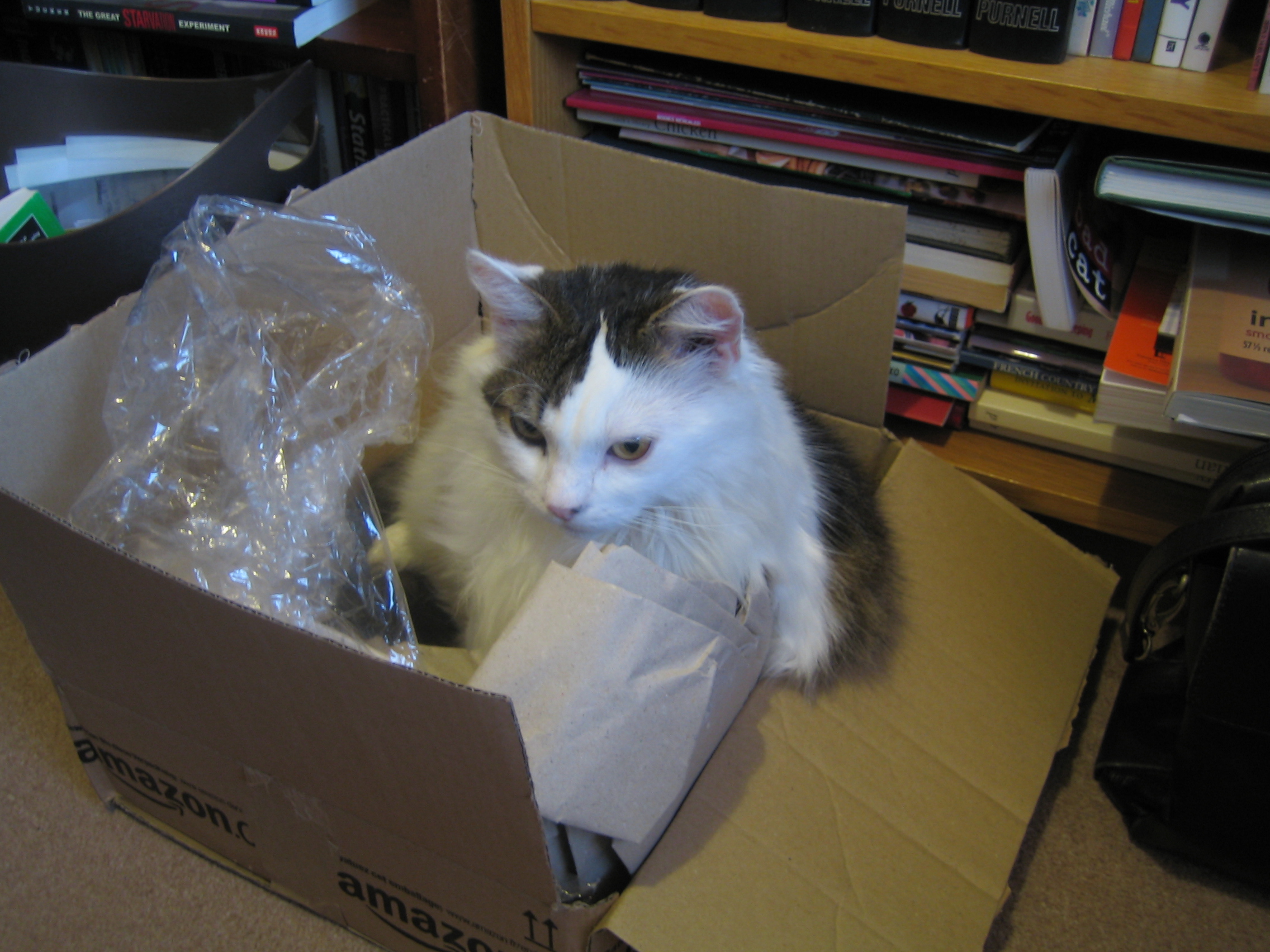
– I woke early with the cat pawing and purring for his breakfast, a real feline bon viveur. Much to my consternation he was back asleep within half an hour of scoffing his breakfast chow. Slightly embarrassing for a dietitian to have such a portly cat, but despite our efforts if we cut his food intake he goes and gets his own outside. He has arrived home with ham, battered fish and his favourite – sausages, which I suppose is slightly better than mauled dead wildlife.

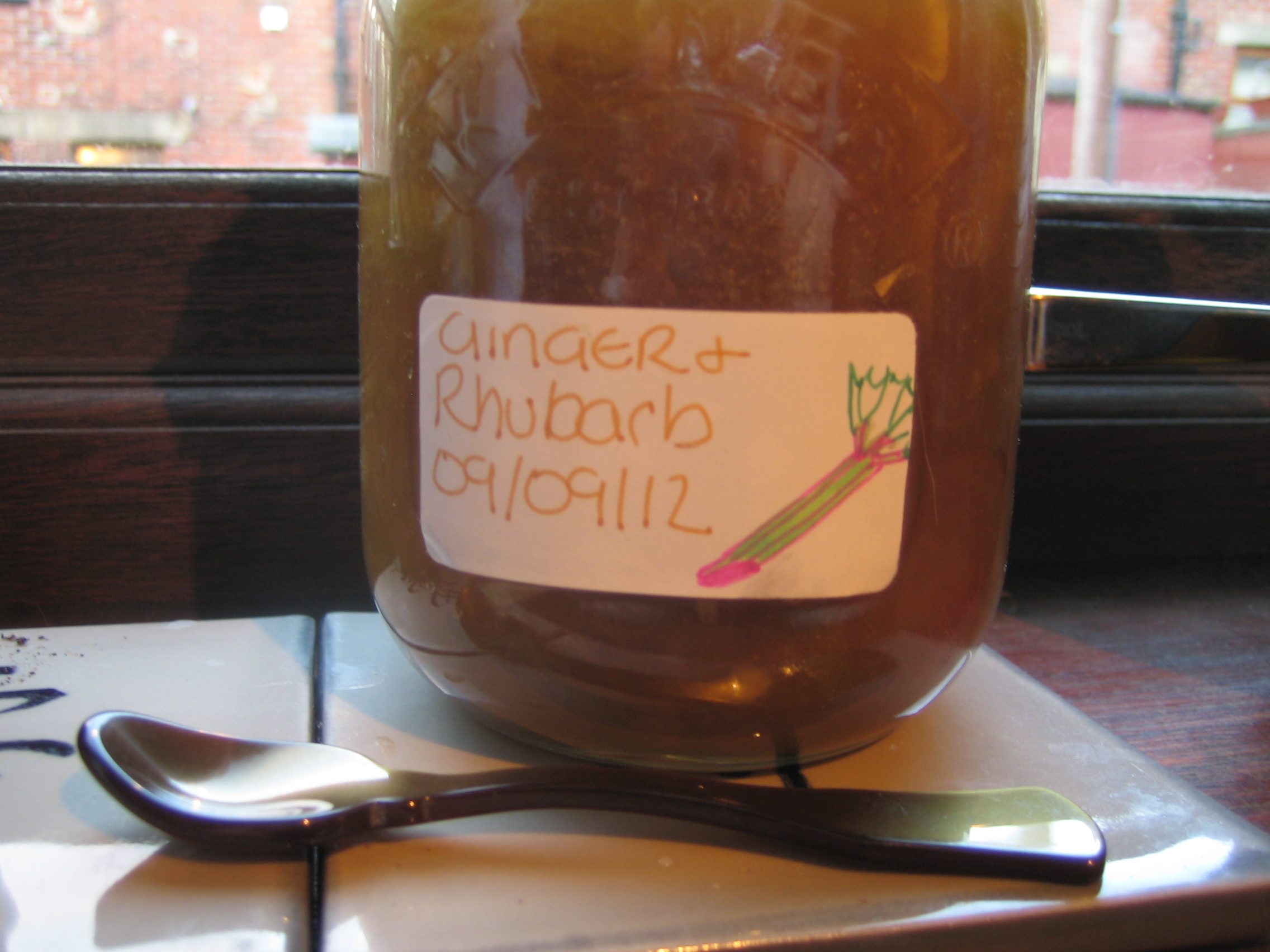
What to cook today, I mused – after a trip to the supermarket, where I purchased 2 packs of rhubarb for the price of one, I decided to make some jam. I have some preserve jars and before coming home I also bought a packet of jam sugar. This is sugar with added citrus and pectin (apple pectin to those who need have problems digesting apples) this assists setting. In the past, exploits in jam making have resulted in disappointment, my last attempt was to make LOFFLEX pear preserve. This was probably a little too much to start with, as obviously, use of citrus fruit to enhance the preservation was out of the question. The jam was fine initially but crystallised over time, I’m not sure why.

Rhubarb and Ginger Jam

800g of washed sliced rhubarb (don’t eat the leaves!!!)

200 mls water

700g of jam sugar (for strawberries)

100g table sugar

2 inch (5cm) piece of peeled ginger chopped finely

Put the sliced rhubarb and ginger in a bowl and place in the microwave cook till soft, smaller pieces will reduce the time needed

Add the fruit mix to a pan with the water and heat, mash with a potato masher

Add sugar and warm till the sugar has dissolved (do not boil at this stage)

Bring the jam to a rolling boil and boil for four minutes.

Check the set by dropping a small amount of jam onto a plate, allow to cool and push the jam with your finger – it should wrinkle up, then its ready.

Put the jam in a sterilised preserve jar and allow to cool.

This took no more than 30 minutes – wow, easy!!! Apparently this is a jam not a preserve according to Wiki, something to do with the sugar content, oh well never mind  – it’s still a slightly sharp, but sweet jam and rhubarb is one of my favourite fruits. Yum, fine to have occasionally – our two jars are in the store cupboard, think I will open one at Christmas.

Beans, beans are good for your heart…………fill in the rest!

You may have heard the following rhyme,

Beans, beans are good for your heart – well so far this is true they are full of soluble fibre, soluble fibre reduces cholesterol levels and lowers the risk of blood clots preventing heart attacks and strokes.

The more you eat the more you f****, again some real truth here.

The more you f*** the better you feel, well no actually, beans and pulses are known for causing intestinal gas and this can cause havoc with people who have IBS, increasing the level of pain felt and generally making life really miserable. Beans and lentils (pulses) contain a type of carbohydrate called raffinose, this is indigestible by everyone, but with people who have IBS the bloating that results stretches the bowel wall and causes pain. I don’t really need to explain f*** do I? I’m much too polite, I’m afraid.

So let’s have beans for every meal – erm, again possibly not, if you are prone to bloating and pain after eating them.

BUT I MISS BEANS! I’M VEGETARIAN – BEANS ARE MY PROTEIN AND IRON! 😦 HELP!

You should only exclude foods that are actually causing problems, variety in your diet is very important. Good sources of protein for vegetarians are quinoa and quorn and iron can be found in dark green leafy vegetables – ensure you have a SMALL glass of fresh orange to aid the absorption into your body, only if you are not intolerant of fructose. Ask to see a dietitian if you require more personal dietary advice here.

Is there anything I can do to make this food a little more tolerable?

Well possibly.

When buying dried pulses (lentils and beans) please ensure you use them up quickly – leaving them in your cupboard for more than a year really doesn’t help, the longer they are stored the tougher they become. They then require more soaking and boiling to make them more digestible. Ensure the surface is without shriveled skin and the colour is bright. Store your dried beans in a sealed container in a cool dark place.

Soaking is then required, don’t add anything to the beans but water and change this a few times during the soaking process, if you can. Don’t be tempted to add salt or sodium bicarbonate to the beans, salt will inhibit the soaking process. You will need to soak the beans at least eight hours or preferably overnight and rinse the beans after soaking prior to cooking.

Cooking times vary depending on the age and water hardness, again before adding the beans to another dish don’t be tempted to use the water for stock as this does contain more raffinose. See the link at the bottom of the page for a useful information leaflet from Pulse Canada on cooking times for beans. Don’t add acidic foods to the beans whilst cooking such as tomato, vinegar or lemon juice as this makes the cooking process longer.

Tinned beans need to be rinsed before use, again don’t be tempted to use the liquor to add to other dishes – the beans have been cooked in the tin and not given the same treatment. Some of the cheaper tinned versions can be a little tough, necessitating longer cooking time to avoid excessive wind – buying cheaper versions may be false economy if you need to cook them for longer!

A word of warning about kidney beans, cannellini beans and broad beans, they all contain phytohaemagglutanin a protein that if consumed in large amounts is a toxin, it is found in large amounts in kidney beans. It is denatured by correct cooking. Tinned kidney beans are better to avoid the risks, but do rinse them well before using them!

Some information was found about adding a piece of seaweed (Kombu) to the beans during cooking to aid with reducing raffinose content of beans, lots of un-referenced information on the web. Kombu was suggested to contain alpha galactosidase an enzyme that digests raffinose. I have, despite a good hunt on the internet and research sites, been unable to find the source of this information, so I am actually unsure if this does work – any help here from food technologists would be gratefully received! Please reply!

Make your own baked beans!!

Gluten free, dairy free, vegetarian.

500g dried haricot beans

20 sprigs of fresh thyme

2 medium potatoes

400 ml passata

salt (not too much!)

Soak the beans for at least 16 hours with water, change water at least four times.

Peel potatoes and boil till soft, mash.

Cook the beans for 30-40 minutes or until soft in fresh water, then drain.

Add the potato to the beans and the passata, fresh chopped thyme and a small amount of salt. Cook for ten minutes – eat & enjoy!

See link for lots of useful info on pulses!

http://www.pulsecanada.com/food-health/fact-sheets-resources

Paella Low FODMAP, dairy free, gluten free, wheat free – obviously!!

1 Dessert spoon of garlic infused oil

1/4 teaspoon of asafoetida (check wheat free)

1 teaspoon of Spanish smoked paprika

1 generous pinch of saffron

1/2 teaspoon of turmeric

6 skinned boned chicken thighs

250g of seafood selection (skinned)

4 cups of basmati rice

500 ml chicken stock (ensure you check the label for onion & garlic)

One orange bell pepper

Pinch of salt & pepper

Method

Measure oil into a pan and add spices (except saffron)

Fry chicken, remove from oil and place in an oven at gas mark 6 (admittedly mine were a little over cooked, but I prefer it that way – honest!)

Add rice to oil and fry for 30 seconds and the add chicken stock

Add the pinch of saffron to a small dish and cover with boiling water to leach out the saffron, add this to rice mix.

Cook till rice is softened and add pepper, cook then add back the chicken, add the seafood selection and cook till warmed through.

Serve.

One of my favourite pastimes when I am on holiday is to look around the food markets, here is a market in Barcelona. I love to wander and look at the different foods that are sold and to get some ideas of what to cook when I get home.

Book Review The Complete Idiots Guide to Eating Well with IBS Kate Scarlata RD

This book is a comprehensive guide to eating with irritable bowel syndrome. It is very user-friendly, you can dip in for a quick read or take your time. I liked the summaries at the end of every chapter and the hints and tips are very useful. The book contains lots of recipes all with nutritional breakdown and a gut fact attached to each one! Covering the fact that healthy eating – with foods that are tolerated – is very important.  The foods that can be problematic are covered and Kate does explain, in user-friendly terms, the reasons why these foods can result in symptoms, but also adds that everyone’s symptoms are individual, so it’s advisable to use the advice accordingly. She also explains how to use a food and symptom diary to identify problematic foods, which is extremely useful for those people who are managing their IBS symptoms themselves.

The book is published for the American market, red flag symptoms are discussed, however one area that does differ in the UK is the identification of people with coeliac disease. Please note that everyone (children and adults,) who have IBS should be, or have been, screened by serological testing (blood tests – endomysial antibody (EMA) IgA and/or tissue transglutaminase antibody tTGA) for coeliac disease, in the UK. At the time of the writing of the book, the emphasis on testing IBS patients for coeliac disease was geared more toward those with IBS-D in the US, the author (in her private practice) however, recommends that all of her IBS clients be tested for coeliac prior to altering their diet. These are guidelines from the National Institute of Clinical Health & Excellence (NICE) available here:-

http://guidance.nice.org.uk/CG86

I have seen patients’ whose main symptom of coeliac disease is constipation, so everyone is at risk and should be tested. Ask your GP and eat wheat, barley and rye (bread, pasta, chappatis, some breakfast cereals) before your test, see above guidelines. Read what Coeliac UK have to say here:-

http://www.coeliac.org.uk/coeliac-disease/how-to-get-diagnosed

Other differences I noticed was histamine intolerance was mentioned in the book – this is not well recognised in the UK, but it can be identified by your dietitian by using elimination diets and is likely to be covered somewhat in an additives free diet (benzoate additives for example, but substances that promote a histamine response are also found naturally in some fermented foods.) It is also advised for people on certain antidepressants – the MAOI (Monoamine Oxidase Inhibitor) diet, to help people avoid dangerous rises in blood pressure, this diet is rarely seen now in general dietetic practice.

http://en.wikipedia.org/wiki/Monoamine_oxidase_inhibitor

Other food intolerances are also mentioned, it is important to see a state registered dietitian if you suspect you have histamine intolerance as identifying these rare intolerances can be challenging.

This book is certainly worth considering if you want to buy a book to help you manage your IBS symptoms, I particularly liked the chapter on travelling and eating out, often areas where it is difficult to acquire advice. The book also discussed lifestyle factors and other areas outside the area of Low FODMAP foods, which is also included, and as such it should contain advice that can help most people with IBS who feel that their diet, or eating in general is problematic.

This book was provided free of charge by the author.