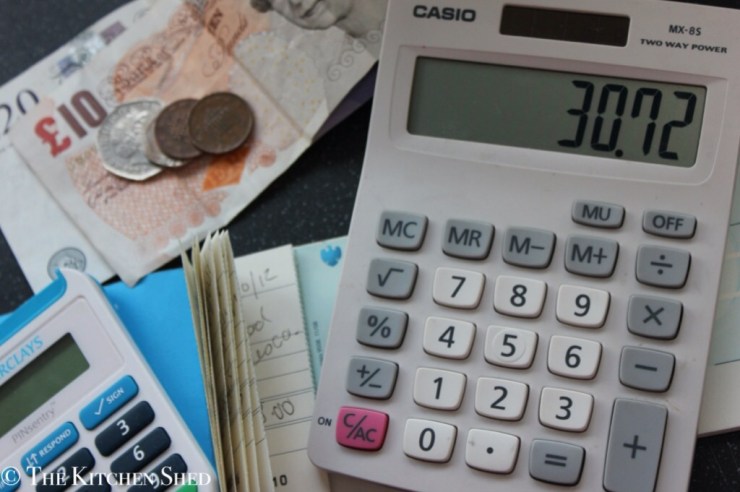
Low FODMAP on a budget – how to make the diet more affordable

One factor I have noticed about this diet is the likely increase in food costs, it is not possible to get gluten/wheat free foods on prescription in the UK. Free from food is expensive, no-one will disagree, so how can we make the Low FODMAP diet cheaper to follow?

Some of the vegetables and fruit allowed are not staple items, this also applies to the basic carbohydrates that are good to consider. It is important to have the full range of Low FODMAP foods to ensure you are receiving the full nutritional content in your diet your body needs to be healthy. But rising food costs are a problem currently, so help is required when you have been informed by your dietitian to try the diet to alleviate your IBS symptoms. So when shopping yesterday morning I thought about what to do to make the diet cheaper – here are some tips that might help:
1. Choose to buy in bulk, particularly the basic carbohydrates such as potatoes and rice.

2. If you have an ethnic supermarket close to where you live check out their prices for rice, they often have very large sacks of rice that are cheaper in bulk. This can mean a cost of £1.00-£1.20 a kilo – significant savings. Also check out bulk spice prices, again the saving can be substantial comparing with prices at the usual supermarket stocks. Some

supermarkets also are now providing bulk buy opportunities for rice.

3. Choose value items when buying fruit & vegetables, also some of the lower cost brand supermarkets such as Lidl and Aldi can have occasional offers of half price fruit & vegetables so watch out for these.

4. Remember misshapen fruit & vegetables taste the same and have the same level of nutrition and may be cheaper to buy.

http://www.telegraph.co.uk/earth/agriculture/farming/9572730/Wonky-fruit-and-veg-to-return-to-supermarket-shelves.html

5. Check out the offer shelves for items that are due to go out of date – it is normally obvious if fruit & vegetables are spoilt – check them thoroughly. You can make some real savings here.

6. Again check out for offers on free from items, they do occur and it is worth the outlay in time to watch for offers.

7. Base your diet on more cheaper carbohydrate basic foods, such as potatoes and make your own treats, this again may be cheaper than purchasing free from items.

8. Use your own flour blends, check out what is in ready-made wheat free flour blends and make your own this can also be better as some gluten-free blends do not always contain starches that are low FODMAP.

9. Utilise coupons, supermarket offers and trials of free from food items.

10 Plan your food for the week and shop accordingly.
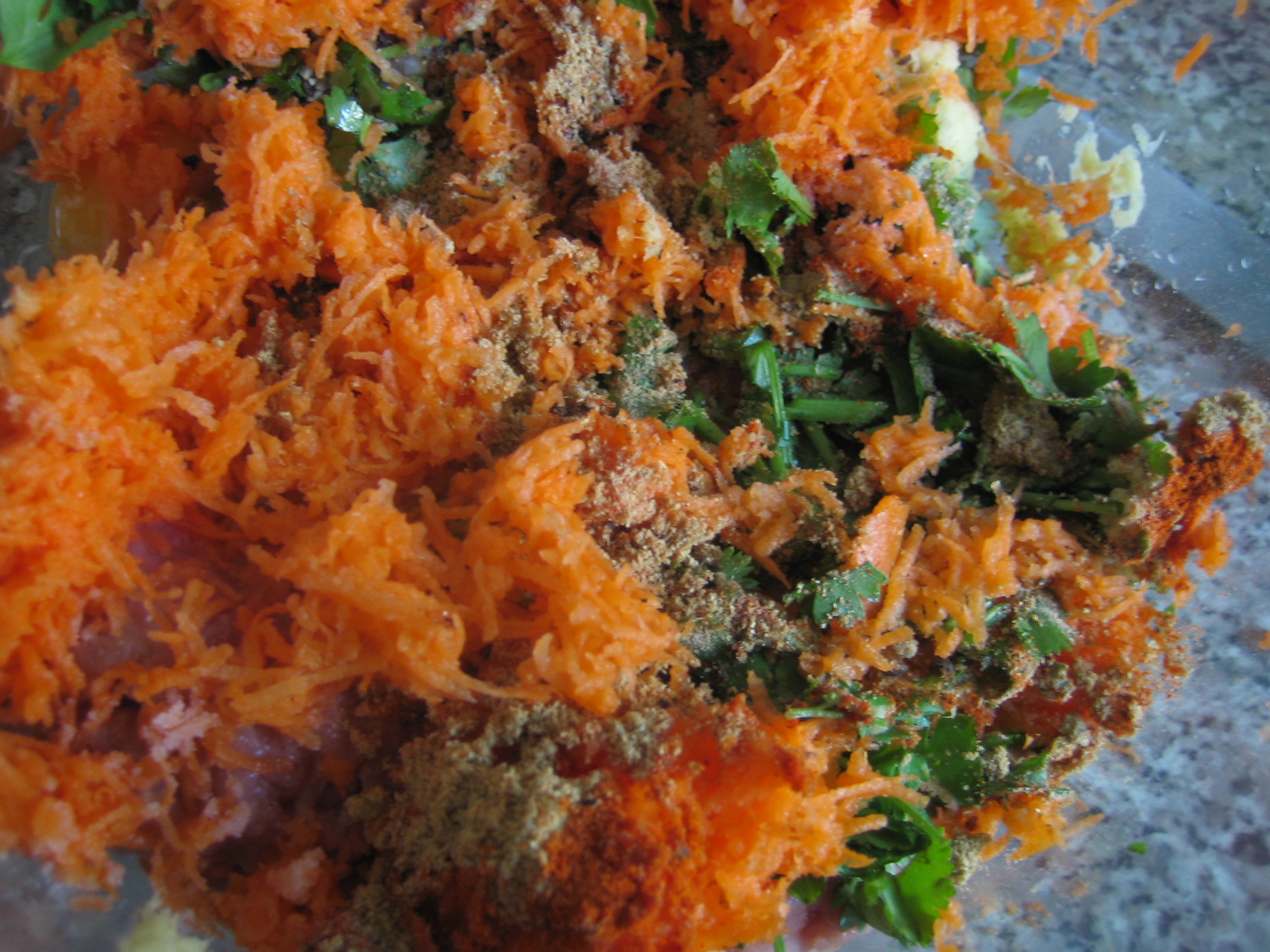
11. Use as many UK basic food items in your diet as you can such as bananas, carrots, potatoes, oranges, lettuce, tomato (watch amounts if you are fructose intolerant,) cucumber, celery (1/4 stick maximum at any one meal.)  Also base your breakfast on cheaper own branded cereals – you can always add your own Low FODMAP dried fruit (a tablespoon or 13 g only) and nuts if you wish to.

12. If you do purchase wheat free bread, buy sliced, or slice it yourself and freeze what you don’t immediately need. This prevents wastage, also freeze other items you might not use initially. If you have a problem with resistant starches you might not want to freeze your bread – as freezing it can increase resistant starch content.

13. Utilise frozen and tinned fruit & vegetables, however be aware of what the tinned fruit juice is based on – you may be inadvertently adding a FODMAP to your diet, some have apple juice as a base.

14. Please don’t use ‘free from’ cook in sauces – these are generally not a great deal different from normal sauces, they may also contain onion and garlic. Make your own thickened with cornflour. Cornflour is simple to use to thicken sauces and it mixes into the sauce really easily.

15. Learn about your diet and look around the supermarket – the more expensive items will be on the free from shelves – alternatives may be available in other sections of the store.

16 If ordering on-line check out the delivery costs, purchase savvy to save on delivery costs.

17. Bulk cook recipes and freeze what you don’t eat.

18. Also make your own stock, when buying meat or chicken, cook the waste scraps and bones in water with a  carrot and herbs, allow to cool, skim off the fat and freeze in small amounts. Water from cooking vegetables can also be used in the same way if a vegetable stock is required.

19. Share bulk items with friends and family to share the initial cost in purchasing – using the principles of the co-operative society, originating in Rochdale and still a good ideal to follow when money is tight!

20. Even if it means that you don’t start the diet immediately, plan well, planning may be the key to ultimate success and a feeling of achievement when you can do the diet within budget.

Updated Jan 2015
 

Mistake! – off the ball with the Low FODMAP diet

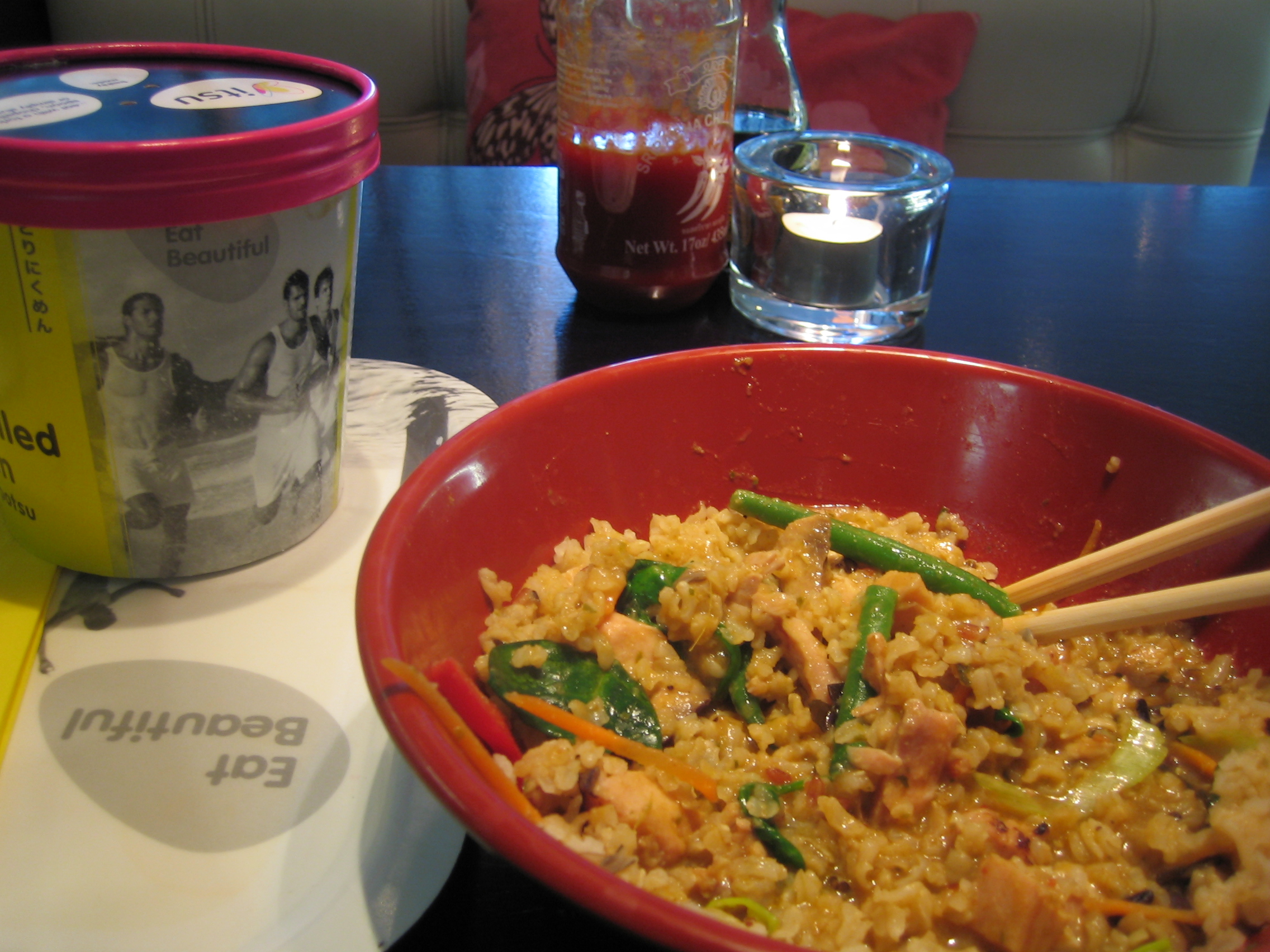
Decided to go to a japanese fast food establishment today as I suspected that following a low FODMAP diet might be slightly easier here, but I was mistaken and should have been more aware of watching my veggies! I asked about wheat but thought that I could perhaps pick out any vegetables that were not appropriate for the diet, I forgot about spring onion being a staple item. The green parts are OK, but the meal came with all parts of spring onion, cut small, which was impossible to pick out making it quite an issue really. So failed here big style and I knew I had as soon as the dish was served and I could actually see the problem. I also noted after I had ordered that the list of vegetables were on a notice board behind the service area, perhaps I should have been more vigilant, but I had been out all day so I was really tired. I was annoyed with myself but I suppose we can put this down to a learning experience. I am also wondering why most of the noodles available in the UK are wheat based? Surely you would imagine that as rice is the main carbohydrate in the east that rice based noodles would be more available, despite thorough searches at supermarkets the majority of noodles are based on wheat. Perhaps this is because our main stable grain is wheat – does anyone else have any ideas as to the reason for the lack of rice based noodles? Rice based noodles can be purchased from Chinese supermarkets and health food shops if you need to have them.

Breakfast – Low FODMAP

I have enjoyed staying at Bankfield House and although it was a little noisy up till about midnight, I really have no complaints to make about the room or facilities. The breakfast was the usual affair of cooked English or continental and a good choice was available. To follow a Low FODMAP theme I chose porridge, a banana, 1 tomato, bacon, egg & hash browns. Again this would not be my normal choice but I did enjoy it – I haven’t realised how much wheat I actually include in my diet until you begin to have to make alternative choices. When on holiday we usually eat a large breakfast and then go on till the evening meal, it is true that to breakfast like a king really sets you up for the day. I was so full that I even saved my banana for later.

I decided to go to the Pre-Raphaelite exhibition at the Tate Britain, no reproduction of any of these paintings can every do them justice as it is the light and reflection needs to be

Mariana by Millais courtesy of http://www.wye.co.uk

seen to be really appreciated. This was an excellent exhibition, but I have seen some of the paintings before in Manchester Art Gallery Most where most major artists are represented, including the great Pre-Raphaelites, Dante Gabriel Rossetti, John Everett Millais and William Holman Hunt. We are lucky in Manchester to have these paintings available most of the time but some of them, one is ‘work’ by Ford Madox Brown, will have been loaned to the Tate for their exhibition. If you are in London and feel like visiting, I would recommend it!

http://www.tate.org.uk/whats-on/tate-britain/exhibition/pre-raphaelites-victorian-avant-garde

The non Moroccan eat – FODMAP free

My first eating out Low FODMAP and I chose a Moroccan restaurant next to the hotel. Felt this might be a challenge – but I’m always up for that! My choices were a little restricted but I chose a plain meat dish, I asked the waitress what the fish dish of the day was, to which she replied there wasn’t one, so a steak was the choice to have, she informed me that this would be served with plain salad leaves and chips.

Now this is not what I would normally choose but needs must for the experiment so I said this is what I would have. It was actually really nice and the chips were thick cut and still had their skin on adding to the fibre content of the meal. The leaves were undressed and included a full grilled tomato. The dish also included a sauce, which was served in a separate dish so could be avoided, probably would contain at least onion and garlic, but perhaps I should have asked. Now for your sake ;-), I also decided to have a sweet to see how easy this would be, I didn’t have much choice as the dishes included plenty of pastry and baklava, I chose a chocolate coated meringue. This was huge, a veritable titanic iceberg! What utensils do you think they provided to eat this with? A knife and fork, yes, really! A real effort had to be made to prevent it from being propelled across the restaurant. More went on the floor than in my mouth, probably for the best – very undignified, but lots of fun! I only managed about a third of it in fact, along with my really lovely mint tea. A nice meal, perhaps not what I would normally choose, and not Moroccan, but it was more than acceptable and would mean that I could eat out FODMAP free, should I wish too.

Paella Low FODMAP, dairy free, gluten free, wheat free – obviously!!

1 Dessert spoon of garlic infused oil

1/4 teaspoon of asafoetida (check wheat free)

1 teaspoon of Spanish smoked paprika

1 generous pinch of saffron

1/2 teaspoon of turmeric

6 skinned boned chicken thighs

250g of seafood selection (skinned)

4 cups of basmati rice

500 ml chicken stock (ensure you check the label for onion & garlic)

One orange bell pepper

Pinch of salt & pepper

Method

Measure oil into a pan and add spices (except saffron)

Fry chicken, remove from oil and place in an oven at gas mark 6 (admittedly mine were a little over cooked, but I prefer it that way – honest!)

Add rice to oil and fry for 30 seconds and the add chicken stock

Add the pinch of saffron to a small dish and cover with boiling water to leach out the saffron, add this to rice mix.

Cook till rice is softened and add pepper, cook then add back the chicken, add the seafood selection and cook till warmed through.

Serve.

One of my favourite pastimes when I am on holiday is to look around the food markets, here is a market in Barcelona. I love to wander and look at the different foods that are sold and to get some ideas of what to cook when I get home.